
Japan is often associated with efficiency, discipline, and thoughtful daily habits. From bullet trains that run precisely on schedule to companies known for continuous improvement, Japanese culture places a strong emphasis on structure, mindfulness, and routine.
One reason many people in Japan stay focused and productive throughout the day is their intentional morning rituals. Instead of rushing into work or school, many Japanese start the day with small habits that energize the body, calm the mind, and organize priorities.
These rituals are simple—but powerful. Here are five Japanese morning practices that can dramatically improve productivity and focus.
1. Radio Taiso: Wake Up Your Body in 3 Minutes

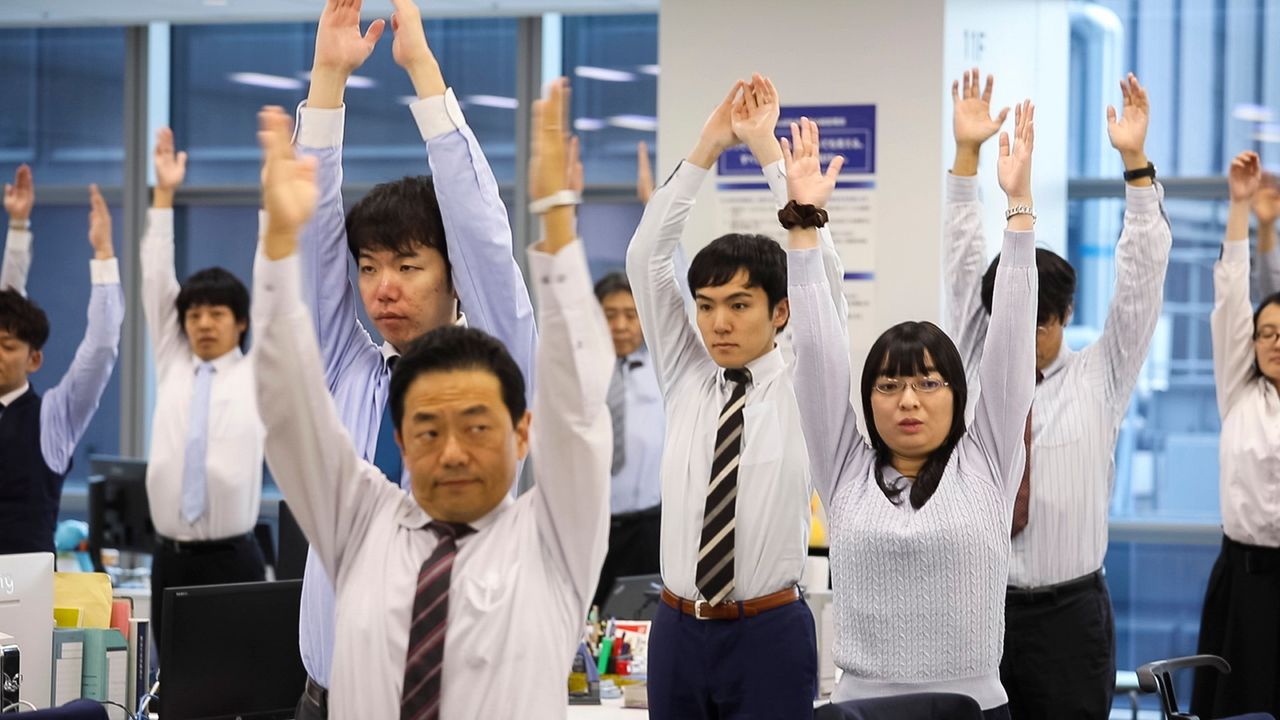

One of Japan’s most famous morning routines is Radio Taiso, a short exercise broadcast on national radio and television since 1928.
The routine lasts only three minutes but includes a full-body series of movements such as:
- arm swings
- body stretches
- light jumping
- twisting movements
Millions of people—students, workers, and retirees—perform Radio Taiso every morning.
Why it boosts productivity
- Improves blood circulation
- Increases mental alertness
- Reduces stress before work
- Energizes the body quickly
Studies have shown that light exercise in the morning can significantly improve focus and task accuracy later in the day.
Because it requires no equipment and almost no time, it’s one of the easiest habits to adopt.
2. Chorei: The Japanese Morning Team Huddle

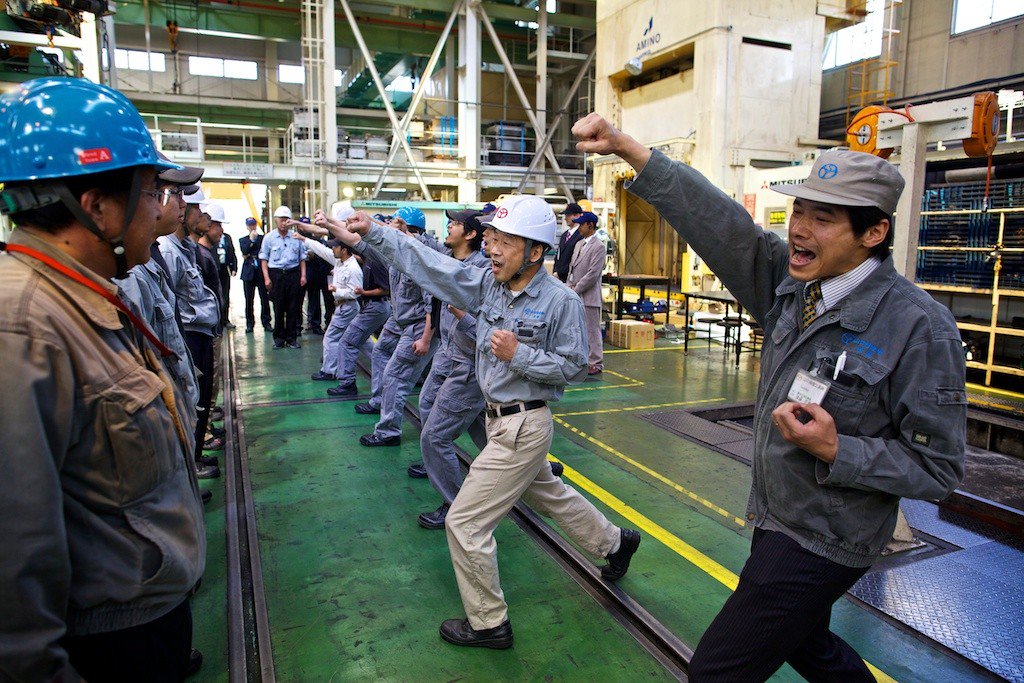
In many Japanese workplaces, the day begins with Chorei, a short morning meeting lasting around 10–15 minutes.
Employees gather together to:
- review goals for the day
- share important updates
- align priorities
- encourage team motivation
Sometimes teams recite company values or share short motivational messages.
Why it boosts productivity
Chorei helps prevent confusion later in the day by ensuring everyone starts with clear goals and shared expectations.
Research suggests structured morning alignment can improve team productivity by 20–30% by reducing miscommunication and unnecessary decision-making.
For individuals working alone, a similar habit can be created by writing down the top three priorities for the day.
3. Drinking Matcha or Green Tea for Focus


Another common Japanese morning ritual is drinking matcha or green tea.
Unlike coffee, matcha contains a combination of:
- caffeine
- L-theanine
This combination produces calm, sustained energy instead of the jittery spikes and crashes often associated with coffee.
Benefits for productivity
- Improves focus and concentration
- Reduces anxiety
- Provides steady energy for hours
- Enhances cognitive performance
Studies suggest that matcha helps increase alpha brain waves, which are associated with relaxed alertness—an ideal mental state for productive work.
Even the act of preparing tea slowly can create a moment of mindfulness before starting the day.
4. Zazen Meditation: Reset Your Mind


Zazen is a form of Zen Buddhist meditation practiced by sitting quietly and focusing on breathing.
Many people in Japan begin the day with 5–10 minutes of meditation to clear the mind before work or study.
Unlike complicated meditation techniques, Zazen is very simple:
- Sit comfortably with a straight back
- Focus on breathing
- Observe thoughts without reacting
How it improves productivity
Meditation helps reduce mental noise and improves the brain’s ability to concentrate.
Research from universities such as Harvard shows meditation can strengthen areas of the brain responsible for:
- decision-making
- emotional control
- attention
Many practitioners describe morning meditation as a mental reset button that prepares them for a focused day.
5. Soji: Cleaning Your Space for a Clear Mind


In Japan, cleaning is often part of the morning routine.
The practice is called Soji, which means cleaning or tidying. In schools, students clean their own classrooms every day. In workplaces and homes, people often spend 5–10 minutes organizing their environment before beginning tasks.
This might include:
- wiping a desk
- organizing files
- sweeping the floor
- decluttering a workspace
Why it works
A clean space reduces visual and cognitive distractions, allowing the brain to focus more easily.
Psychological research suggests that organized environments can improve productivity by up to 20%.
Cleaning also creates a symbolic feeling of starting fresh, which can improve motivation.
Why Japanese Morning Rituals Work
These habits share several key characteristics:
- Short and simple
- Repeatable every day
- Mindful and intentional
- Balanced between body and mind
Rather than relying on motivation alone, they create structured routines that make productivity automatic.
Even adopting just one or two of these rituals can significantly improve how your day begins.
Start Small and Build a Productive Morning
You don’t need to adopt all five habits at once.
Try starting with one simple ritual tomorrow morning:
- Do 3 minutes of Radio Taiso
- Drink matcha instead of coffee
- Write your top 3 tasks for the day
- Meditate for 5 minutes
- Clean your workspace
Over time, these small actions can build a powerful morning routine that increases energy, clarity, and productivity.
Sometimes the secret to a better day isn’t working harder—it’s simply starting smarter.