What is a Tax Return?
great-tirp
great-trip

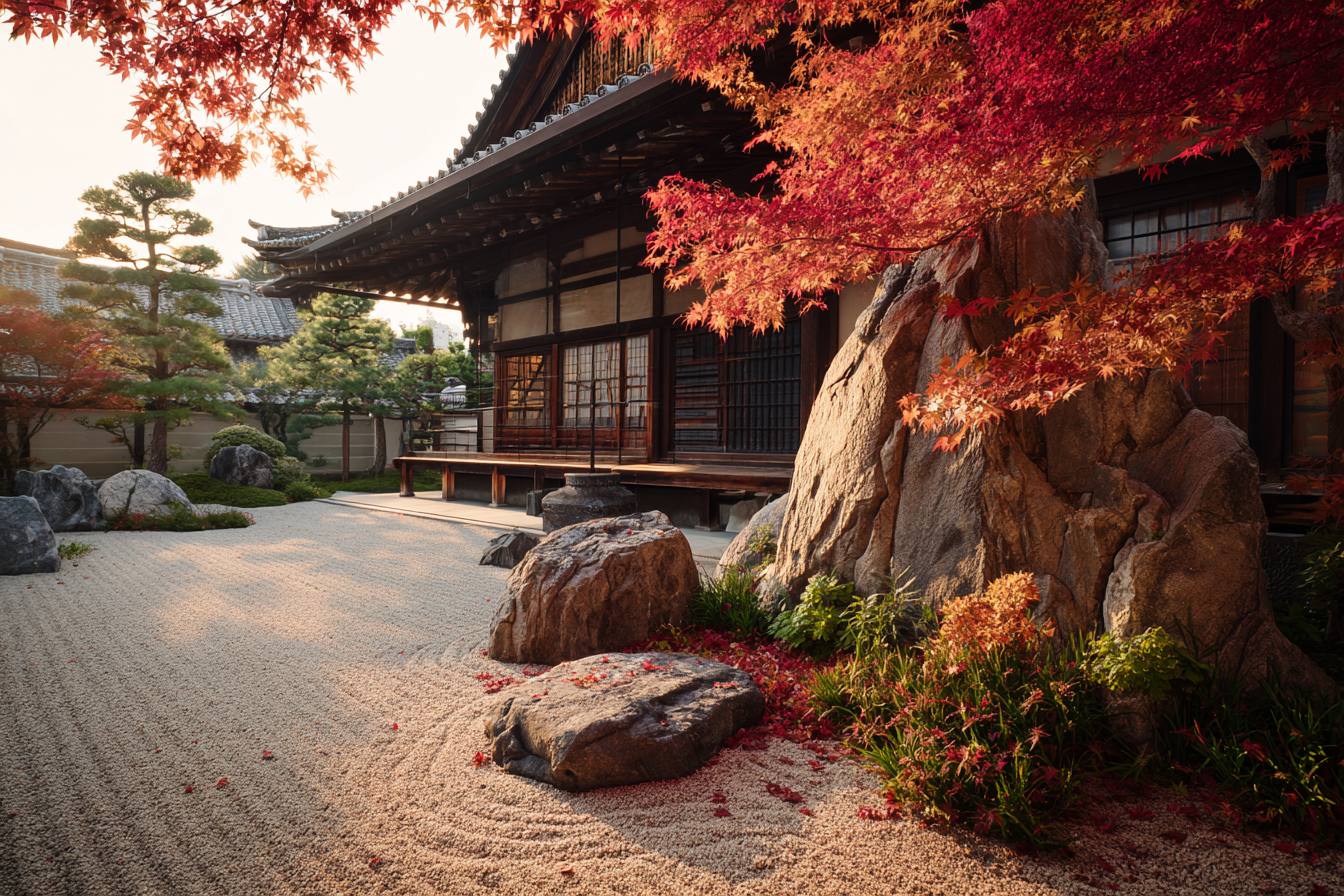
In a world filled with constant notifications, traffic, and endless schedules, finding a moment of true calm can feel rare. Yet for centuries, the Japanese have cultivated a simple and powerful way to reconnect with tranquility: the Zen garden.
Known as karesansui (dry landscape garden), Zen gardens use carefully arranged stones, sand, and minimal greenery to create symbolic landscapes that encourage meditation and reflection. Unlike traditional Western gardens filled with flowers and color, Zen gardens focus on simplicity, balance, and quiet beauty.
The best part? You don’t need a large backyard or expensive landscaping. With a little creativity, you can create your own peaceful Zen space at home—even on a small balcony or desk.
Let’s explore the philosophy and practical steps behind creating a Japanese Zen garden.


Zen gardens originated in 14th-century Japan, where Buddhist monks created them as tools for meditation.
These gardens were designed to represent vast natural landscapes using only a few elements. A simple arrangement of stones and gravel might symbolize:
The act of raking the gravel itself became a form of meditation, helping monks quiet the mind and focus on the present moment.
Rather than impressing visitors with complexity, Zen gardens aim to evoke calmness and contemplation.
Zen garden design is guided by several traditional aesthetic ideas rooted in Japanese philosophy.
These principles help create a space that feels balanced and peaceful.
Kanso – Simplicity
Remove unnecessary elements. Simplicity brings clarity.
Fukinsei – Asymmetry
Nature is rarely symmetrical. Irregular arrangements feel more natural.
Koko – Aged Beauty
Weathered stones and natural materials evoke timelessness.
Shizen – Naturalness
Design should appear effortless and organic.
Yugen – Mystery
Suggest depth and meaning without revealing everything.
Datsuzoku – Freedom from Routine
Introduce unexpected elements that spark curiosity.
Seijaku – Tranquility
The ultimate goal is stillness and peace.
Together, these ideas create a garden that feels both minimal and deeply expressive.


A Zen garden relies on a few carefully chosen components. Each element carries symbolic meaning.
Rocks are the backbone of the garden.
They often represent:
Designers typically arrange stones in odd-numbered groups, such as three or five, to maintain natural asymmetry.
Gravel symbolizes water.
Using a rake, patterns are drawn into the surface to create waves or ripples that resemble flowing rivers or oceans.
This raking process is both decorative and meditative.
Plants are used sparingly.
Common choices include:
Bright flowers are usually avoided because Zen gardens emphasize calm green tones.
Optional additions may include:
The key is restraint—too many decorations can disrupt the garden’s peaceful atmosphere.

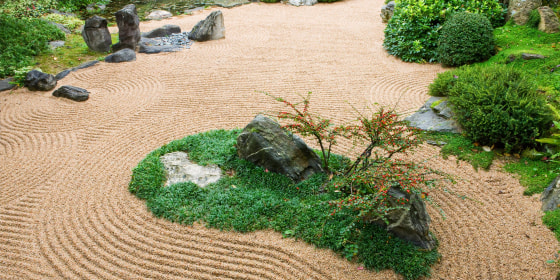

Creating a Zen garden at home is surprisingly achievable. Even a small corner of your yard can become a calming retreat.
Select a quiet space where you can relax without distractions.
A shaded area works well because it helps preserve the soft textures of sand and moss.
Clear debris and level the soil.
Dig about 4–6 inches deep and install a weed barrier to prevent plants from growing through the gravel.
Spread 2–3 inches of fine gravel or sand evenly across the surface.
This will form the “water” of your garden.
Place larger rocks first to anchor the design.
Partially bury them to make them look natural.
Then add smaller stones around them.
Introduce moss or small shrubs near stones to soften the look.
Avoid overcrowding the garden.
Use a wide rake to create flowing patterns in the gravel.
Many people refresh these patterns weekly as a form of meditation.

If you live in an apartment, you can still enjoy the benefits of a Zen garden.
A mini tabletop Zen garden is perfect for desks, shelves, or meditation corners.
In just a few minutes, you’ll have a calming space that can help relieve stress during a busy day.
Zen gardens are intentionally low-maintenance.
Basic care includes:
More importantly, the garden should be a place to pause and breathe.
Spend a few minutes sitting quietly or raking the gravel patterns. Over time, this simple practice can become a powerful form of daily mindfulness.
A Japanese Zen garden is more than landscaping—it is a philosophy of living with simplicity and awareness.
Whether you build a full backyard garden or a small desk version, the process invites you to slow down, observe nature, and reconnect with calmness.
You don’t need perfection.
Just a few stones, some sand, and a quiet moment.
And in that quiet space, you may discover something rare in today’s busy world: peace.