Wagyu vs Kobe vs Matsusaka: The Ultimate Japanese Beef Guide for Visitors
great-tirp
great-trip

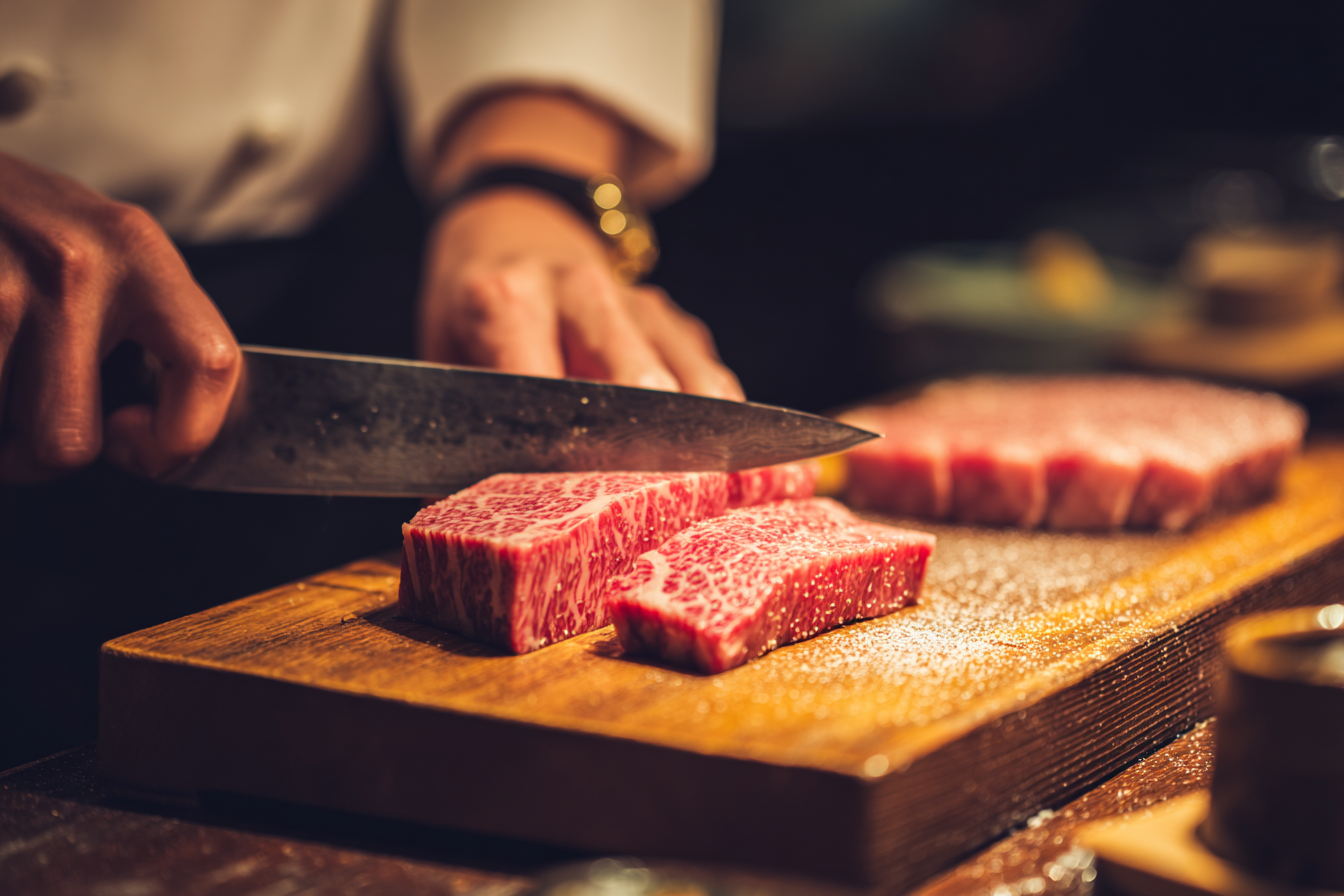
Japanese Wagyu has become one of the most luxurious foods in the world.
Menus proudly advertise “A5 Wagyu”, and diners often assume it automatically means the best beef on earth.
But what does A5 actually mean?
Surprisingly, the famous grade does not directly measure taste. Instead, it reflects a precise scientific system used in Japan to evaluate the economic yield and visual quality of beef.
To understand Wagyu properly, you need to understand the Japanese beef grading system.
Japan uses one of the most detailed meat grading systems in the world. It is managed by the Japan Meat Grading Association (JMGA).
Each carcass is evaluated using two components:
1️⃣ Yield Grade (A–C)
2️⃣ Quality Grade (1–5)
These combine to produce 15 possible grades.
| Grade | Meaning |
|---|---|
| A5 | Highest yield + highest quality |
| A4 | High yield + slightly lower quality |
| B5 | Average yield + highest quality |
| C3 | Lower yield + medium quality |
The famous A5 sits at the top of this system.
But to understand it, we need to break down the two grading categories.

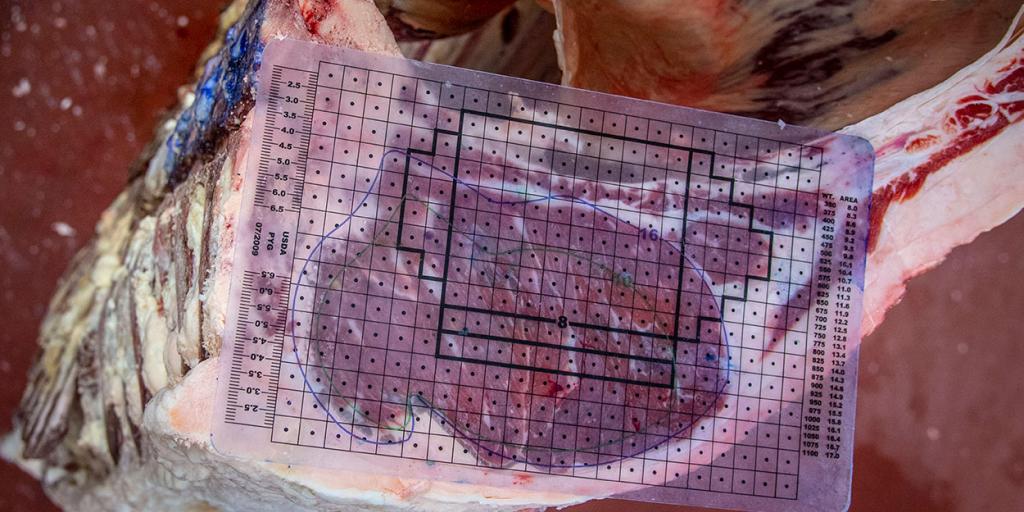
The Yield Grade estimates how much usable meat can be obtained from the carcass.
It is calculated using measurements taken from the 6th–7th rib cross section.
The official formula considers:
Grades are defined as:
| Grade | Yield |
|---|---|
| A | 72% or higher (excellent yield) |
| B | 69–72% (standard yield) |
| C | Less than 69% (lower yield) |
The “A” in A5 has nothing to do with flavor.
It simply means the cow produced a high percentage of sellable meat.
If two steaks are A5 and B5, their taste can be nearly identical.
In fact, over 97% of Japanese Wagyu steers achieve an A yield grade today.

The Quality Grade determines the number (1–5).
To achieve grade 5, the beef must score highly in four separate categories:
Scale: 1 to 12
| BMS | Description |
|---|---|
| 1–3 | Minimal marbling |
| 4–7 | Moderate marbling |
| 8–12 | Required for A5 |
A5 Wagyu requires BMS 8 or higher.
For comparison:
This is why A5 looks dramatically more marbled than Western beef.
Ideal Wagyu color is a bright cherry red.
Beef that is too dark or too pale receives a lower grade.
High-quality Wagyu must have:
This contributes to the famous silky mouthfeel.
Top Wagyu fat appears:
Yellowish fat reduces the grade.
The final quality grade equals the lowest score among the four categories.
So even if marbling is perfect, one weak factor can drop the grade.
Many myths surround Wagyu.
Let’s clear up the biggest ones.
Not necessarily.
The grade measures appearance and value, not flavor preference.
Some chefs actually prefer A4 Wagyu, because:
Extremely high marbling (BMS 11–12) can feel too rich for some diners.
False.
The A5 grade only exists within Japan’s official grading system.
Imported “Wagyu-style” beef from the U.S. or Australia uses different standards.
Even if the genetics are Wagyu, it cannot officially be graded A5 outside Japan.
It used to be.
But modern breeding and feeding techniques have increased high-grade production dramatically.
Recent Japanese data shows:
This is why Wagyu exports have expanded rapidly worldwide.
| Grade | Marbling | Flavor Profile | Typical Use |
|---|---|---|---|
| A5 | Extremely high | Rich, buttery | Fine dining |
| A4 | High | Balanced beef flavor | Steak restaurants |
| A3 | Moderate | Traditional beef taste | Everyday Wagyu |
For many people, A4 offers the best balance of flavor and richness.
If you want authentic Japanese Wagyu, check for:
1️⃣ 10-digit cattle ID number
2️⃣ BMS marbling score listed
3️⃣ Origin region (Kobe, Matsusaka, etc.)
Japan has a traceability system that allows anyone to verify a cow’s history online.
Because of the intense marbling, A5 should be eaten differently from normal steak.
Best practices:
The fat melts quickly, producing the famous “melt-in-your-mouth” texture.
A5 Wagyu represents the highest classification in Japan’s rigorous beef grading system.
But the label doesn’t simply mean “the tastiest beef.”
Instead, it signifies a rare combination of:
Understanding the grading system helps diners appreciate Wagyu on a deeper level.
Next time you see A5 Wagyu on a menu, you’ll know exactly what it means—and why it’s so special.