Kyoto’s Best Matcha Experiences
great-tirp
great-trip


Japan has one of the highest life expectancies in the world, with many people living well into their 90s and even past 100. While genetics and healthcare play a role, experts often point to Japan’s traditional diet as one of the biggest secrets behind this remarkable longevity.
Unlike many Western diets, Japanese daily meals focus on whole foods, fermented ingredients, seafood, and plant-based nutrients. These foods are packed with antioxidants, probiotics, and anti-inflammatory compounds that help protect the body from aging at the cellular level.
Here are 7 anti-aging foods that Japanese people commonly eat every day—and the science-backed reasons they help support long, healthy lives.


4
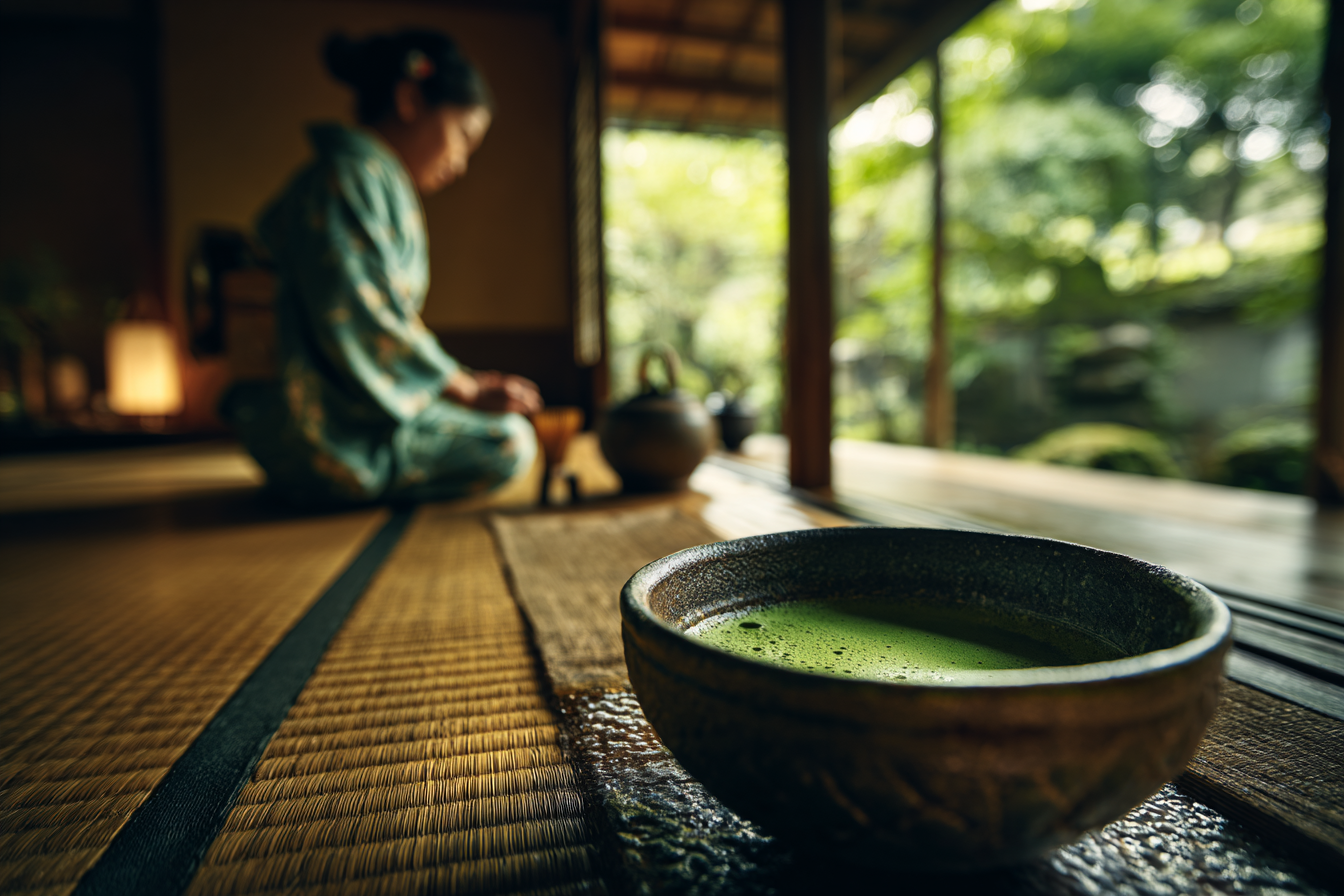
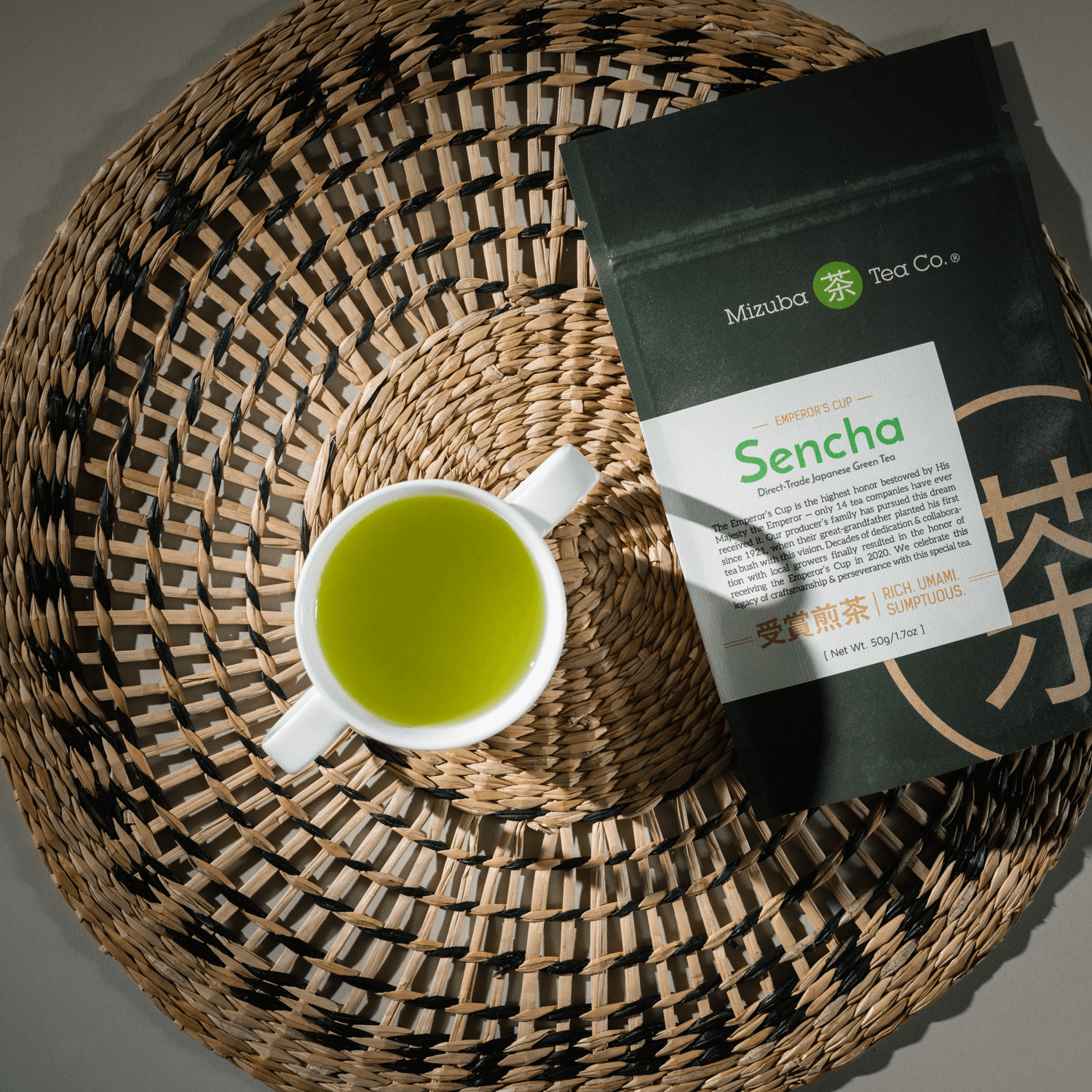
One of the most iconic habits in Japan is drinking green tea multiple times per day. Many Japanese people start their morning with a cup of sencha, while others enjoy matcha, a powdered green tea known for its concentrated nutrients.
Green tea is loaded with EGCG (epigallocatechin gallate), one of the most powerful antioxidants found in food.
Benefits include:
Some studies suggest green tea can even help improve skin elasticity and reduce wrinkles over time.
Try it: Replace one daily coffee with matcha and whisk it the traditional Japanese way for a calming morning ritual.


4
Natto is a traditional Japanese breakfast food made from fermented soybeans. It has a sticky texture and strong flavor, but it’s considered one of Japan’s most powerful longevity foods.
Natto contains extremely high levels of spermidine, a compound linked to autophagy—the process where cells clean out damaged components and regenerate.
Anti-aging benefits include:
Research on autophagy (which won the 2016 Nobel Prize in Physiology) suggests foods like natto may help extend healthy lifespan.
Try it: Mix natto with mustard and soy sauce and eat it over rice—just like many Japanese households do.


4
Seaweed is a staple in Japanese cooking and appears in many daily dishes like miso soup, sushi, salads, and rice bowls.
Seaweed contains unique compounds rarely found in land vegetables.
Key benefits:
Seaweed also contains antioxidants that help reduce oxidative stress, one of the main drivers of aging.
Try it: Add wakame to soup or sprinkle shredded nori over rice or salads.


4
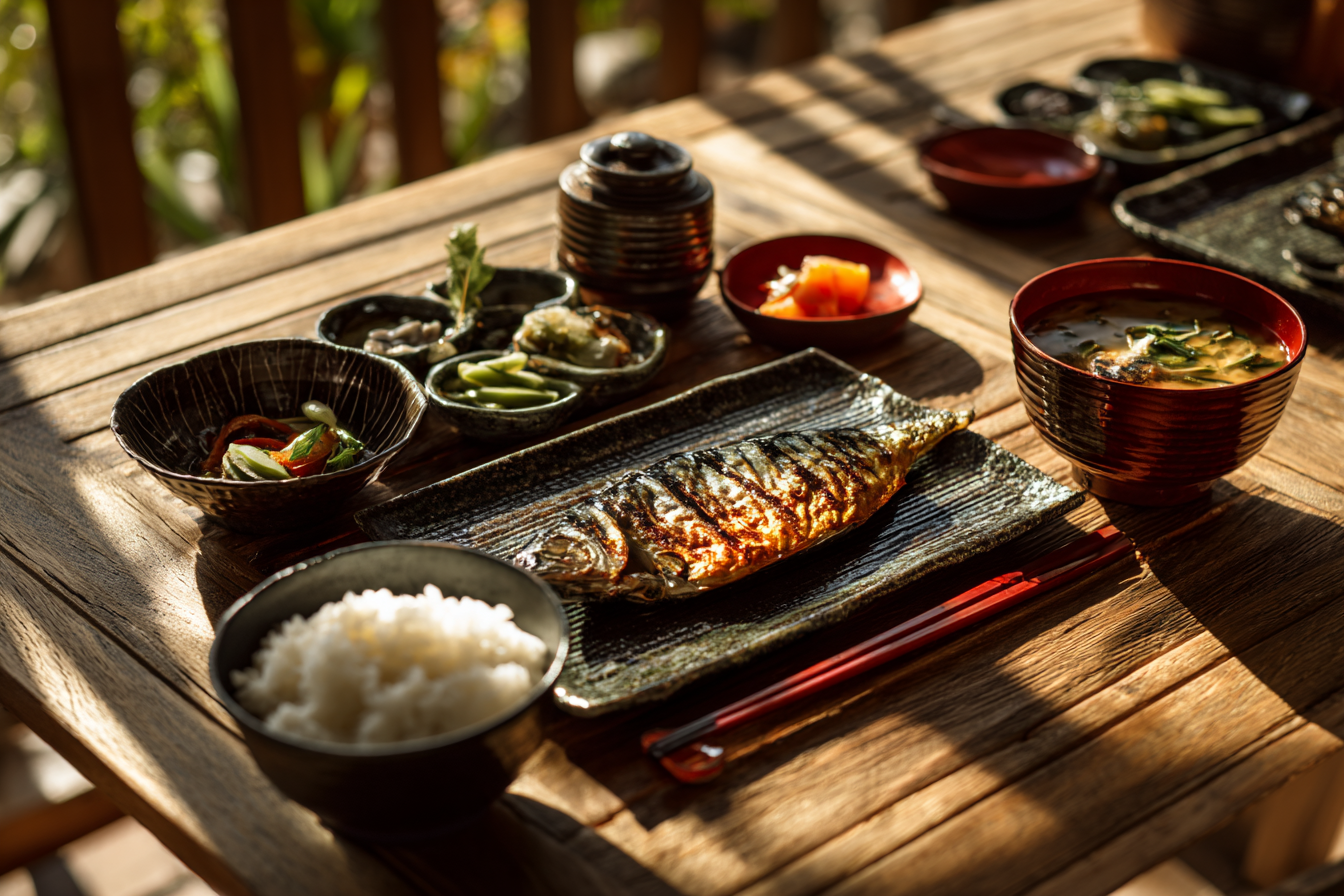
In many Japanese homes, miso soup is eaten every day, often at breakfast or dinner.
It’s made from fermented soybean paste, usually combined with tofu, seaweed, and vegetables.
Because miso is fermented, it provides beneficial probiotics that support gut health.
Benefits include:
Studies have linked fermented soy foods to a lower risk of early mortality.
Try it: Make a simple miso soup with tofu and wakame—it takes less than 10 minutes.


4
Shiitake mushrooms are widely used in Japanese cooking, from dashi broth to stir-fries and soups.
They are also one of the most nutrient-dense mushrooms in the world.
Shiitake mushrooms contain a compound called lentinan, known for its anti-inflammatory properties.
Benefits include:
Japanese anti-aging specialists often recommend eating mushrooms daily for overall health.
Try it: Use dried shiitake mushrooms to create a rich umami broth.


4
Tofu is one of the most common plant-based proteins in Japan. It appears in soups, salads, hot pots, and rice dishes.
Tofu contains isoflavones, plant compounds that mimic estrogen in the body.
Benefits include:
Isoflavones may also help reduce some of the skin changes associated with aging.
Try it: Silken tofu with soy sauce and green onions makes a simple anti-aging snack.


4
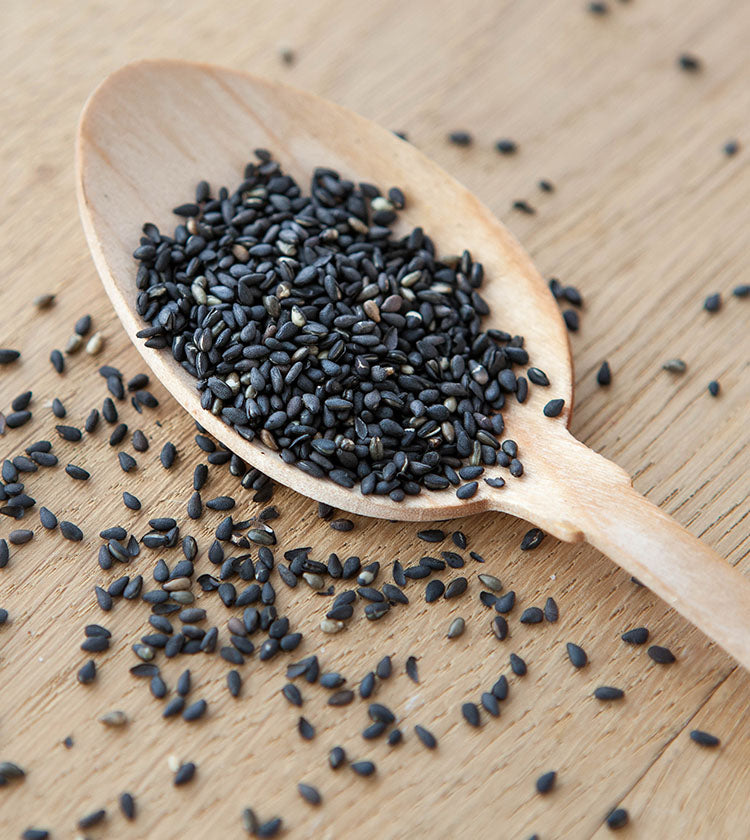
Sesame seeds are used constantly in Japanese cooking—sprinkled on rice, mixed into dressings, or ground into sauces.
Sesame seeds contain healthy fats and powerful antioxidants.
Benefits include:
Even small amounts can provide long-term anti-aging benefits.
Try it: Sprinkle sesame seeds on rice, vegetables, or salads.
These foods work together as part of a larger lifestyle pattern that includes:
Rather than relying on supplements, many Japanese people simply eat nutrient-dense traditional foods every day.
Japan’s incredible longevity may come down to simple habits and traditional ingredients.
By adding just a few of these foods to your diet—such as green tea, miso soup, and seaweed—you can start incorporating some of the same longevity principles used in Japanese culture.
You don’t need a complicated diet plan.
Sometimes, the best anti-aging strategy is simply eating the way Japan has for centuries.