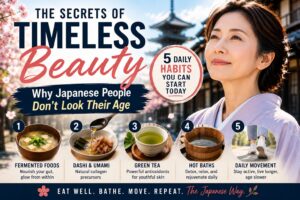

Japan consistently ranks among the countries with the highest life expectancy in the world. Many Japanese people maintain youthful skin, strong energy levels, and active lifestyles well into their 70s, 80s, and even beyond.
One of the biggest reasons is their traditional diet, which focuses on simple, nutrient-dense foods eaten regularly in small portions.
In regions like Okinawa—one of the world’s famous “Blue Zones” where people often live past 100—the daily diet is packed with foods rich in antioxidants, healthy fats, probiotics, and anti-inflammatory compounds.
The best part? These foods are not rare superfoods.
They’re everyday ingredients you can easily find across Japan, from convenience stores and supermarkets to traditional restaurants.
Here are five anti-aging foods Japanese people eat regularly that help support glowing skin, strong hearts, and long healthy lives.
1. Purple Sweet Potatoes (Okinawan Imo)


Sweet potatoes—especially purple Okinawan varieties known as beni-imo—have been a staple of the Japanese diet for centuries.
Unlike ordinary potatoes, these colorful roots are packed with:
- Anthocyanins (powerful antioxidants)
- Beta-carotene
- Vitamin A and C
- Dietary fiber
Anti-aging benefits
Anthocyanins help reduce oxidative stress, one of the main causes of aging. They also protect skin from UV damage and support collagen production, helping maintain smooth and healthy skin.
Sweet potatoes also stabilize blood sugar levels, which helps avoid inflammation that can accelerate aging.
How Japanese people eat them
In Japan they are commonly:
- roasted (yaki-imo)
- steamed as snacks
- added to rice dishes like imo gohan
Visitor tip
When traveling in Japan, try roasted sweet potatoes sold by street vendors or desserts made with purple sweet potato in places like Okinawa and Kyoto.
2. Seaweed (Wakame, Kombu, Nori)


Seaweed is one of the most unique elements of the Japanese diet. It appears in countless everyday dishes.
Common varieties include:
- Wakame – used in soups and salads
- Kombu – used for soup stock (dashi)
- Nori – used for sushi and rice balls
These ocean vegetables are rich in:
- iodine
- magnesium
- calcium
- omega-3 fatty acids
- fucoxanthin and fucoidan, powerful anti-aging compounds
Anti-aging benefits
Seaweed helps reduce inflammation and improve skin hydration. Fucoidan has been studied for its potential ability to protect cells and support immune health.
Iodine also supports thyroid function, which regulates metabolism and energy levels.
How Japanese people eat it
You’ll see seaweed in everyday meals such as:
- miso soup at breakfast
- seaweed salads
- onigiri rice balls wrapped in nori
Visitor tip
Many Japanese convenience stores sell healthy seaweed snacks, making it easy for travelers to try this nutrient-rich food.
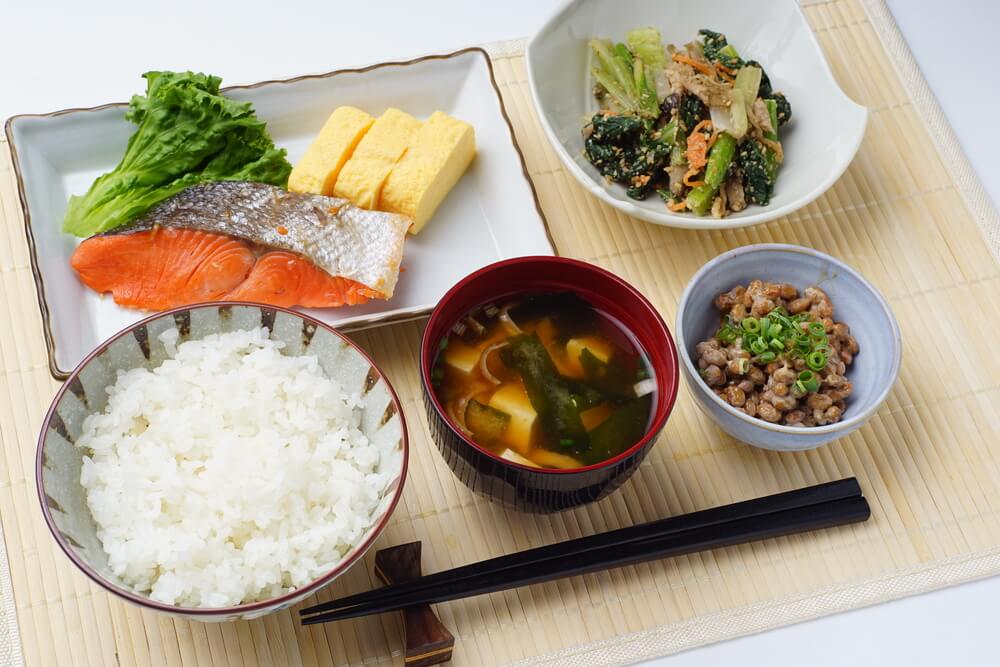
3. Fermented Soy Foods (Miso, Tofu, Natto)


Soy products are central to Japanese cooking. Many of them are fermented foods, which means they contain beneficial bacteria that support gut health.
Common examples include:
- Miso – fermented soybean paste used in soup
- Tofu – protein-rich soybean curd
- Natto – fermented soybeans famous for their sticky texture
These foods are rich in:
- isoflavones
- plant protein
- probiotics
- amino acids
Anti-aging benefits
Isoflavones help maintain skin elasticity and hormonal balance, especially beneficial for aging skin. Fermented soy foods also support gut health, which is strongly connected to immune function and skin health.
Some compounds in natto may also help prevent glycation, a process that contributes to wrinkles.
How Japanese people eat them
Typical daily examples include:
- miso soup with breakfast
- tofu dishes at lunch or dinner
- natto over rice in the morning
Visitor tip
If natto feels too adventurous at first, start with miso soup or tofu dishes at Japanese restaurants.
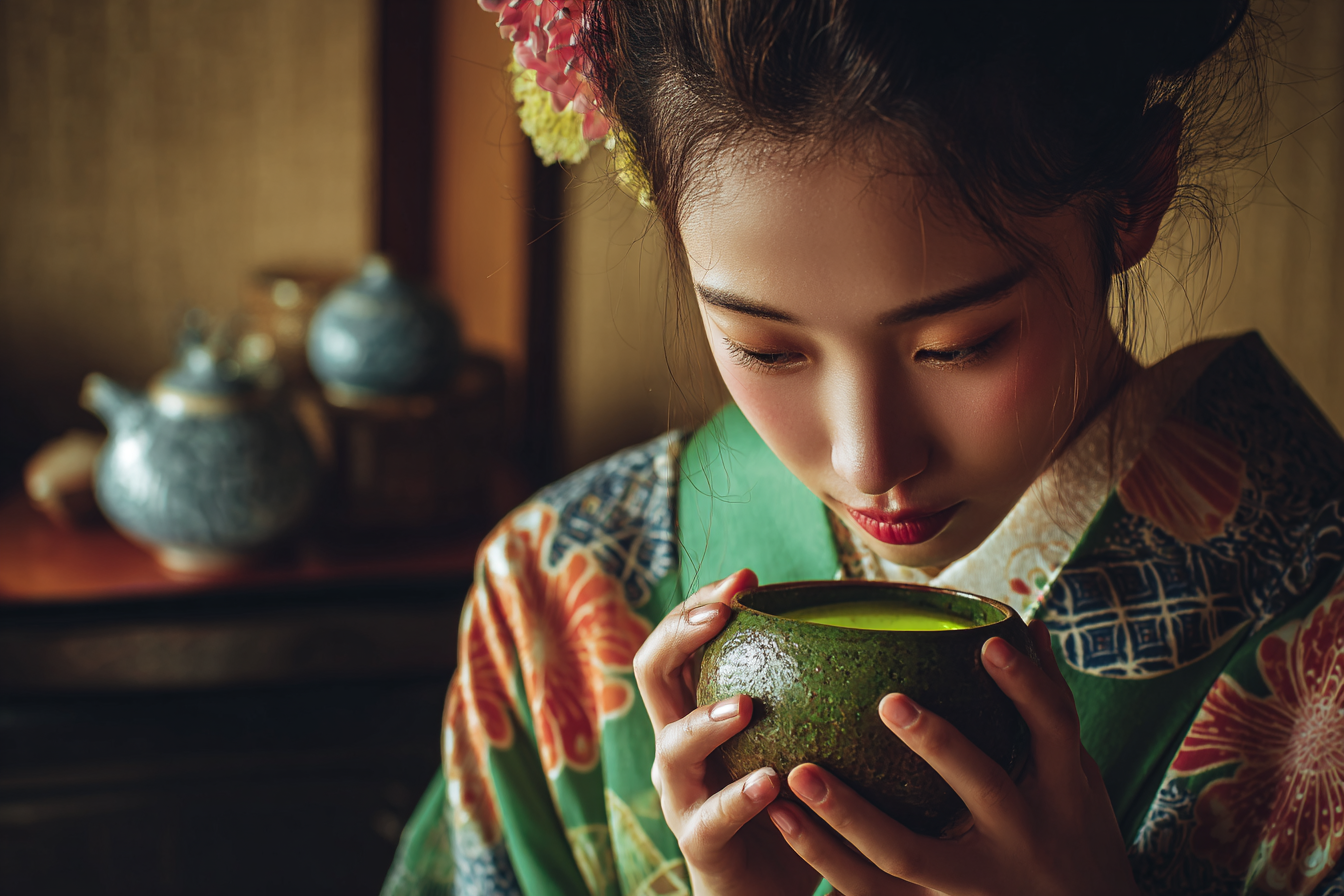
4. Green Tea (Especially Matcha)


Green tea is a daily ritual in Japan. Many people drink it multiple times a day.
Popular types include:
- Sencha – the most common everyday green tea
- Matcha – powdered whole-leaf tea
- Genmaicha – green tea mixed with roasted rice
Matcha is especially powerful because you consume the entire tea leaf.
Anti-aging benefits
Green tea contains EGCG catechins, extremely powerful antioxidants that:
- protect skin from UV damage
- reduce inflammation
- boost collagen production
- protect brain cells
Research also suggests green tea may help support longer lifespan and heart health.
How Japanese people drink it
Green tea is enjoyed:
- with meals
- during afternoon breaks
- in tea ceremonies
Visitor tip
If you visit Kyoto or Uji, try fresh ceremonial-grade matcha in traditional tea houses.
5. Fatty Fish (Salmon, Mackerel, Sardines)


While plant-based foods dominate much of the Japanese diet, fish is also eaten regularly.
Fatty fish such as:
- salmon
- mackerel
- sardines
are rich in omega-3 fatty acids (EPA and DHA).
Anti-aging benefits
Omega-3s help:
- reduce inflammation
- keep skin moisturized and elastic
- support heart and brain health
- slow cognitive aging
These healthy fats also help maintain a youthful glow by improving skin hydration.
How Japanese people eat fish
Fish appears in many everyday dishes:
- grilled mackerel sets
- sushi and sashimi
- bento lunch boxes
Visitor tip
Fresh seafood is widely available in Japan. Try sushi restaurants or food markets like Tsukiji Outer Market in Tokyo.
The Secret Behind Japanese Longevity
These five foods are powerful on their own, but the real secret of Japanese longevity is balance and moderation.
Many Japanese follow the traditional principle:
“Hara Hachi Bu” — eat until you are about 80% full.
Combined with daily walking, strong community ties, and fresh seasonal ingredients, this approach helps people maintain health and vitality throughout life.
Final Thoughts
Japanese cuisine is more than just delicious — it’s a blueprint for healthy aging.
From antioxidant-rich sweet potatoes to omega-3-packed fish and probiotic soy foods, the everyday Japanese diet naturally supports skin health, energy, and longevity.
If you’re visiting Japan, take the opportunity to enjoy these foods the way locals do.
You might not just discover amazing flavors —
you may also discover one of the world’s secrets to staying young longer.