In Okinawa, Japan—one of the world’s famous Blue Zones where people frequently live past 100—there is a humble food that appears on the table almost every day: seaweed.
From soups and salads to snacks and side dishes, seaweed is deeply embedded in the traditional Japanese diet. What makes this ocean vegetable so special is its extraordinary mineral density. Seaweed absorbs nutrients directly from seawater, making it one of the most nutrient-rich foods on Earth.
Packed with iodine, calcium, magnesium, and powerful antioxidants, seaweed has been linked to heart health, strong immunity, and healthy aging. Let’s explore why this ancient food is considered one of the secrets behind Japanese longevity.
The Role of Seaweed in Japanese Longevity


Seaweed has been part of Japanese cuisine for more than 2,000 years, but it plays a particularly important role in Okinawa.
In this island region, seaweed is not just an occasional ingredient—it is often eaten daily. Common varieties include:
- Kombu – a thick brown seaweed used in soup broth
- Wakame – often found in miso soup and salads
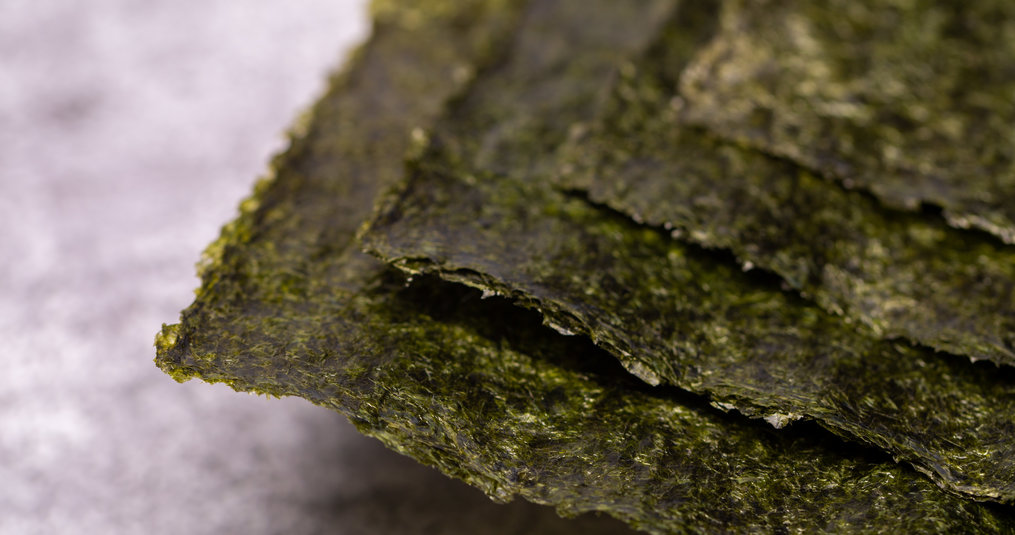
- Nori – the seaweed used to wrap sushi
- Mozuku – a local Okinawan seaweed rich in fucoidan
- Umibudo – known as “sea grapes,” a delicate Okinawan delicacy
In Okinawa, seaweed can make up around 10% of daily meals, contributing essential minerals that are often lacking in modern diets.
Combined with the cultural practice of hara hachi bu—eating until about 80% full—this nutrient-rich diet helps maintain low calorie intake while maximizing nutrition.
Why Seaweed Is a Mineral Powerhouse


Unlike land vegetables, seaweed grows in mineral-rich ocean water. As a result, it can contain 10–20 times more minerals than typical vegetables.
In fact, minerals can make up up to 50% of seaweed’s dry weight.
Here are some of the most important nutrients found in seaweed.
Iodine
Iodine supports thyroid function, which regulates metabolism and energy levels.
Seaweeds such as kombu are among the richest natural iodine sources in the world.
Calcium
Seaweed provides highly absorbable calcium that helps:
- strengthen bones
- prevent osteoporosis
- support muscle function
Iron
Certain varieties, such as hijiki, contain more iron per serving than red meat, helping prevent fatigue and anemia.
Magnesium
Magnesium plays a key role in:
- muscle relaxation
- stress reduction
- heart health
- better sleep
Potassium
Potassium helps regulate blood pressure and cardiovascular health, making seaweed beneficial for heart longevity.
Zinc and Selenium
These trace minerals support:
- immune defense
- antioxidant protection
- thyroid function
- skin health
Together, this mineral combination makes seaweed a natural longevity booster.
The Science Behind Seaweed and Healthy Aging


Scientific research increasingly supports seaweed’s health benefits.
One key compound found in many seaweeds—especially wakame and mozuku—is fucoidan.
Fucoidan has been studied for its ability to:
- reduce inflammation
- stimulate immune cells
- support anti-cancer mechanisms
- protect cardiovascular health
Studies also show seaweed contains phlorotannins, powerful antioxidants that help protect the body from oxidative stress and UV damage.
In addition, seaweed’s unique fibers support gut health by feeding beneficial bacteria in the microbiome.
Healthy gut bacteria are linked to:
- improved digestion
- better immune function
- reduced risk of diabetes
- enhanced brain health
This combination of minerals, antioxidants, and fiber makes seaweed one of the most effective foods for supporting long-term health.
Easy Ways to Add Seaweed to Your Meals
One of the best things about seaweed is how easy it is to incorporate into everyday dishes.
Even 1–2 grams per day can provide meaningful nutritional benefits.
Here are a few simple ideas.
Breakfast
Blend small pieces of nori into smoothies or sprinkle seaweed flakes on eggs.
Lunch
Prepare a refreshing wakame salad with sesame oil, cucumber, and sesame seeds.
Dinner
Add kombu to soups and broths, or wrap rice and vegetables with nori.
Snacks
Roasted seaweed sheets make a crunchy, low-calorie snack packed with minerals.
Quick Recipe: Wakame Sesame Salad
Ingredients
- 20 g dried wakame
- 1 sliced cucumber
- 1 tbsp sesame oil
- 1 tsp soy sauce
- sesame seeds
Instructions
- Soak wakame in water until soft.
- Drain and mix with cucumber.
- Add sesame oil and soy sauce.
- Sprinkle sesame seeds and serve.
This simple dish takes less than 10 minutes to prepare and delivers a powerful mineral boost.
The Ocean’s Secret to Longevity
Seaweed may look humble, but it is one of nature’s most nutrient-dense foods.
Its rich combination of iodine, calcium, iron, magnesium, and antioxidants supports nearly every system in the body—from metabolism and heart health to immunity and brain function.
For centuries, Japanese and Okinawan communities have relied on seaweed as a daily staple—and their extraordinary longevity suggests they were onto something important.
Adding a small amount of seaweed to your meals could be one of the simplest and most powerful steps toward healthier aging.
Sometimes, the secret to a longer life comes straight from the sea.