Sake Beginner Guide 2026: What First-Time Visitors to Japan Need to Know Before Their First Sip
great-tirp
great-trip

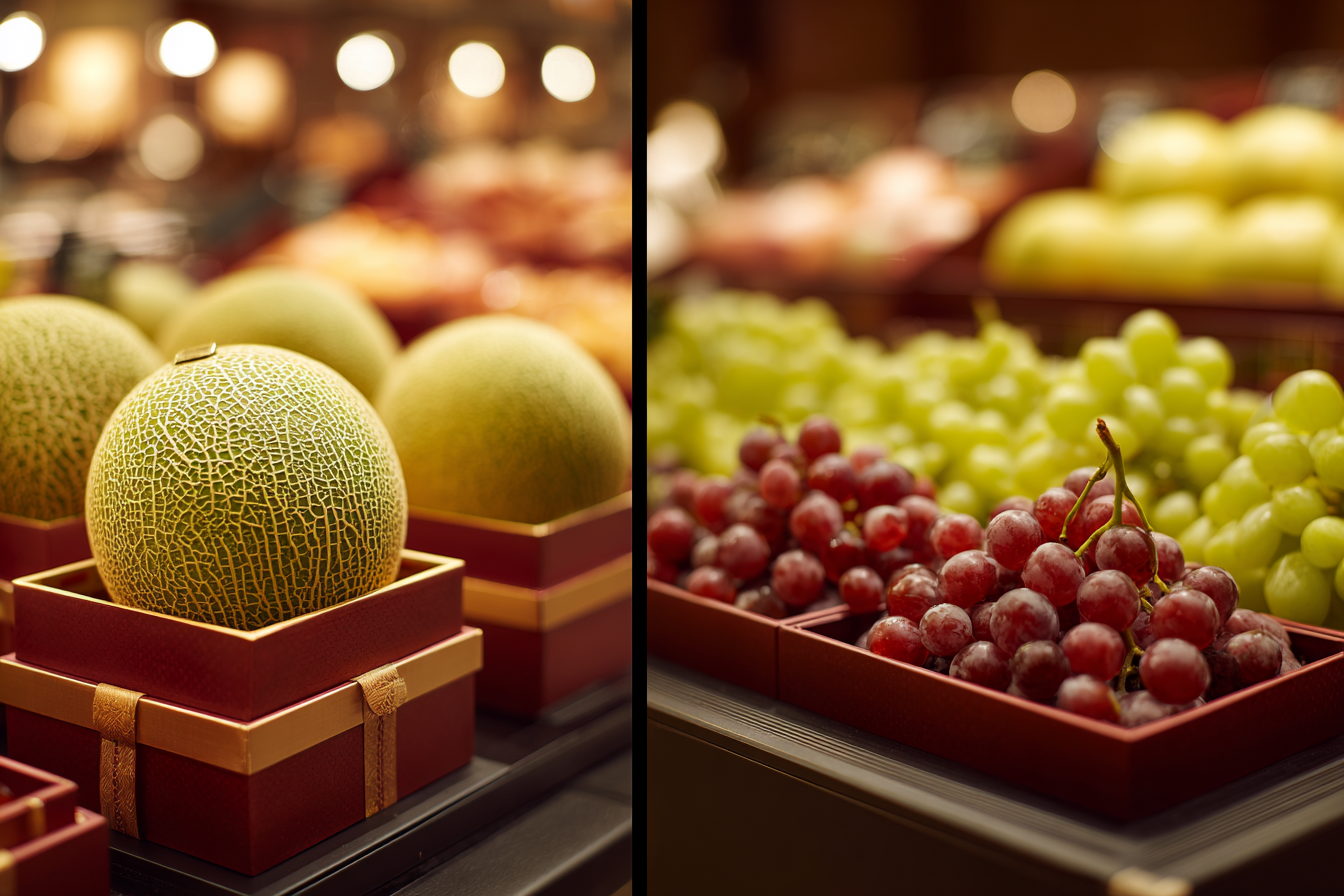
Walk into a Japanese department store basement and you might see something shocking:
A single melon for ¥30,000.
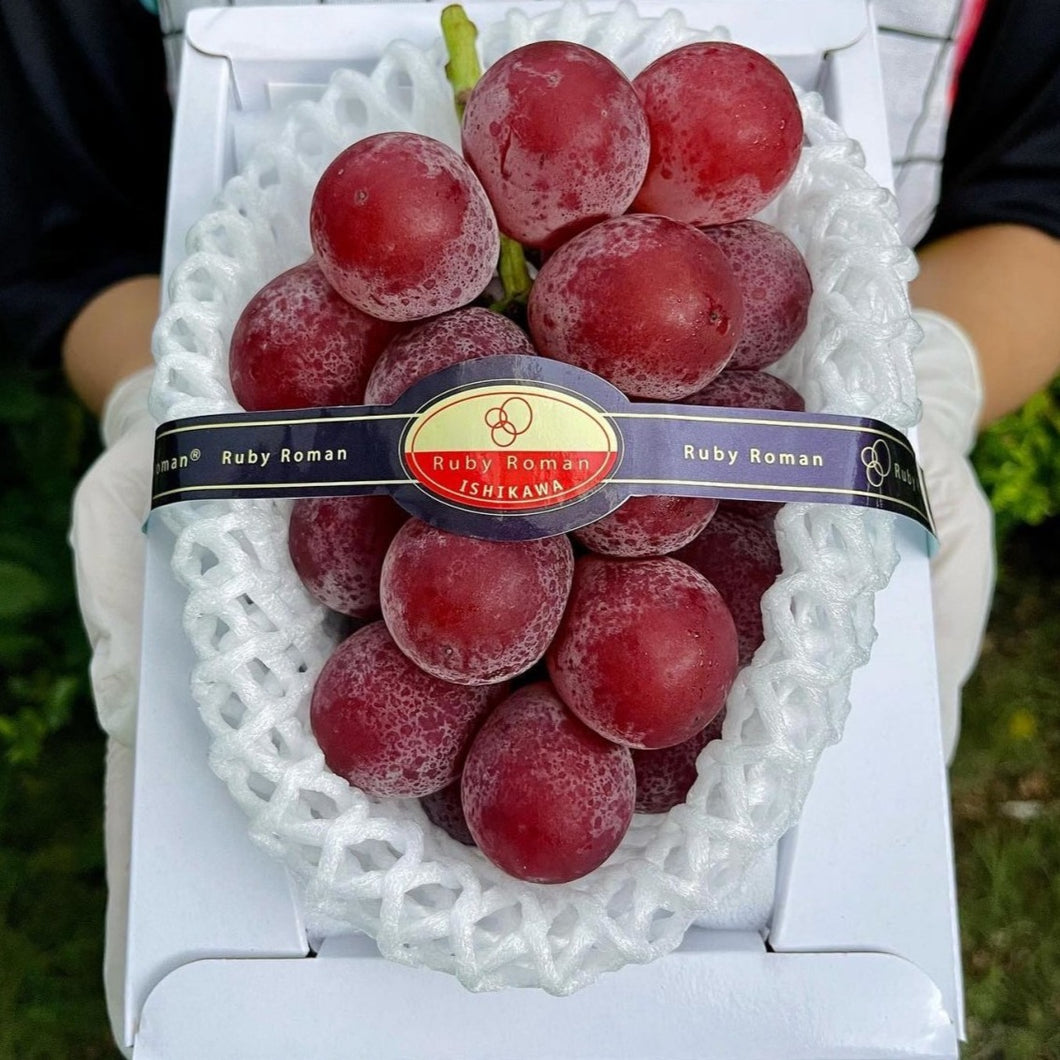
A box of grapes for over $1,000.
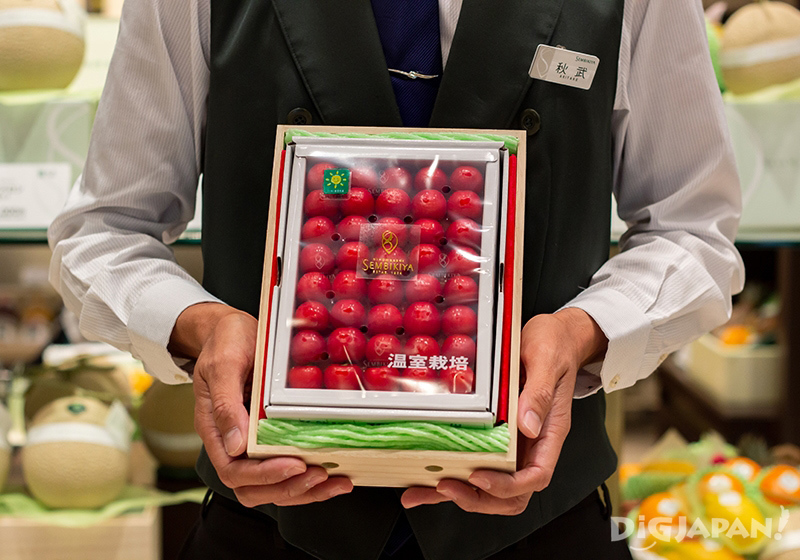
One strawberry priced like a luxury dessert.
And yet… people buy them.
Not by accident. Not by hype.
Because in Japan, fruit isn’t just food.
It’s a gift.
It’s craftsmanship.
It’s edible art.
Let’s break down why Japanese fruit costs so much — and why many visitors say it’s worth every yen.


4
In many countries, fruit is everyday dessert.
In Japan, premium fruit is a symbol of respect and gratitude.
It’s commonly given for:
Perfection matters.
No blemishes.
Uniform shape.
Symmetrical color.
Immaculate presentation.
At luxury fruit shops like Sembikiya (founded 1834), fruit is displayed like jewelry.
You’re not just buying sweetness.
You’re buying honor.
Japan is mountainous.
Only a small percentage of land is suitable for agriculture, and much of that is dedicated to rice.
Fruit orchards:
Unlike large-scale industrial farms overseas, Japanese fruit production prioritizes quality over quantity.
Some farms allow only one fruit per vine — removing all others so nutrients concentrate into a single masterpiece.
That means lower yield, higher cost.


4
Premium fruit cultivation in Japan can include:
Take Yubari King melon:
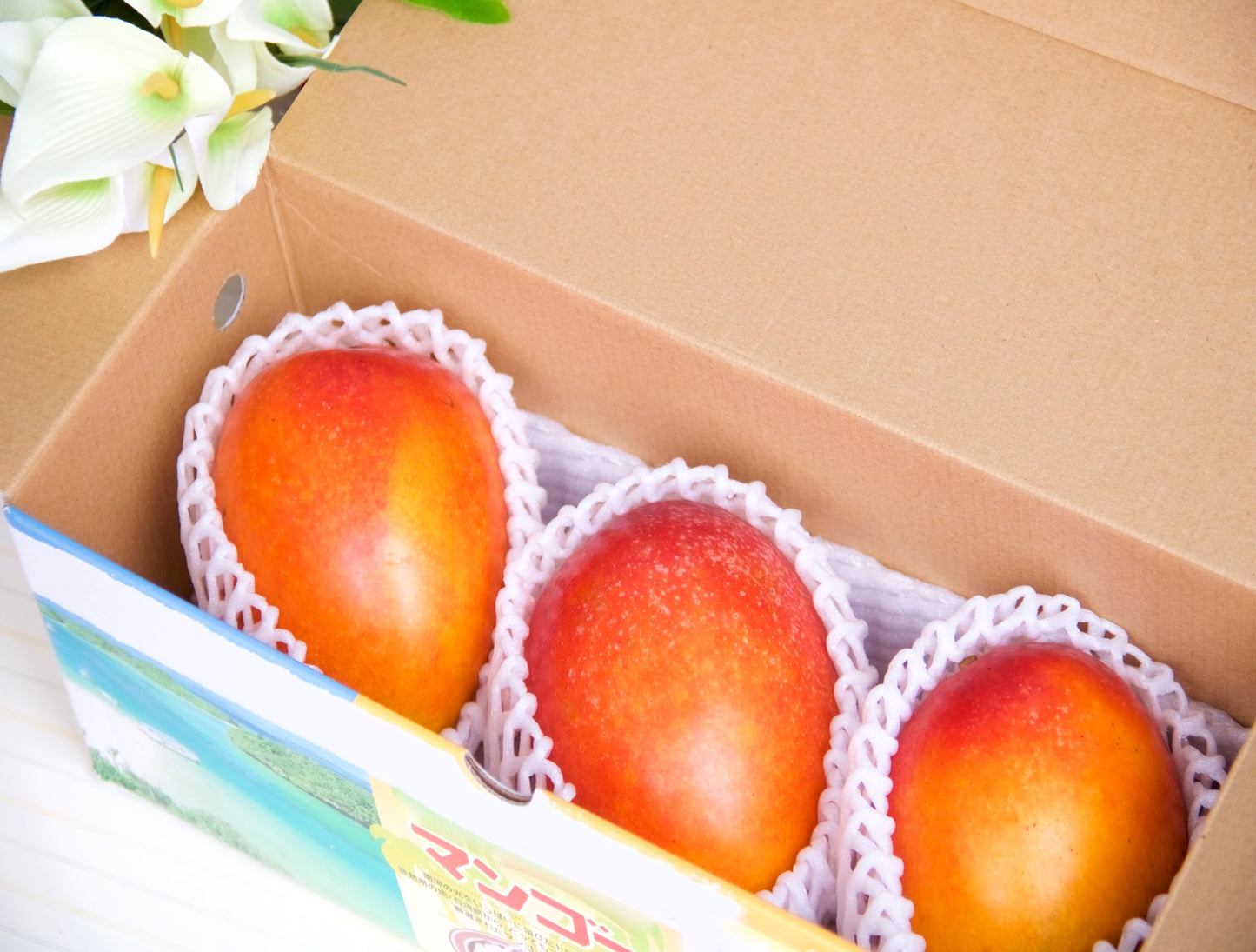
Or Taiyo no Tamago mango:
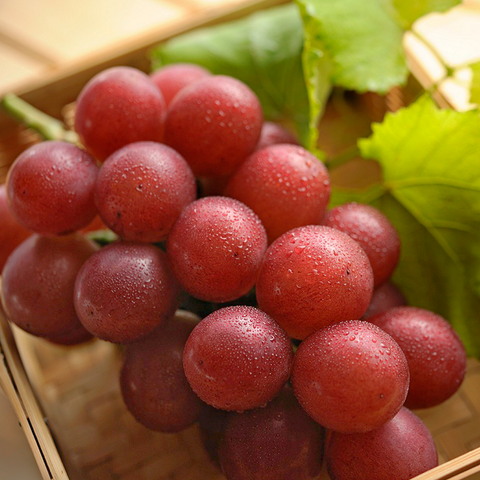
Or Ruby Roman grapes:
Many fruits are graded and rejected before reaching the highest tier.
That labor shows up in the price.

4
Here are some 2026 price examples:
Yes — per berry.
But these are auction-grade extremes.
In regular supermarkets, you’ll still find:
Still pricey — but not astronomical.
It’s not marketing.
It’s science.
By limiting fruit per plant, sugars and aroma compounds concentrate.
Japanese fruit often has:
Many exported fruits globally are bred for transport durability.
Japanese fruit is bred for flavor first.
That difference is immediately noticeable.
That depends on what you expect.
If you want a cheap snack — no.
If you want a once-in-a-lifetime taste experience — absolutely.
Premium fruit in Japan is:
Even mid-tier premium fruit from a department store can be shockingly good.
Start smart:
Fruit desserts give you the experience without the auction price.
Pro tip:
Let melons ripen at room temperature before eating.
Japanese fruit is expensive because it’s treated like luxury art.
Small farms.
Intense labor.
Cultural importance.
Scientific precision.
You’re not just buying sweetness.
You’re tasting decades of obsession with perfection.
And after one perfect slice of melon…
You may understand why people happily pay for it.