This site uses Google AdSense ad intent links.
AdSense automatically generates these links and they may help creators earn money.
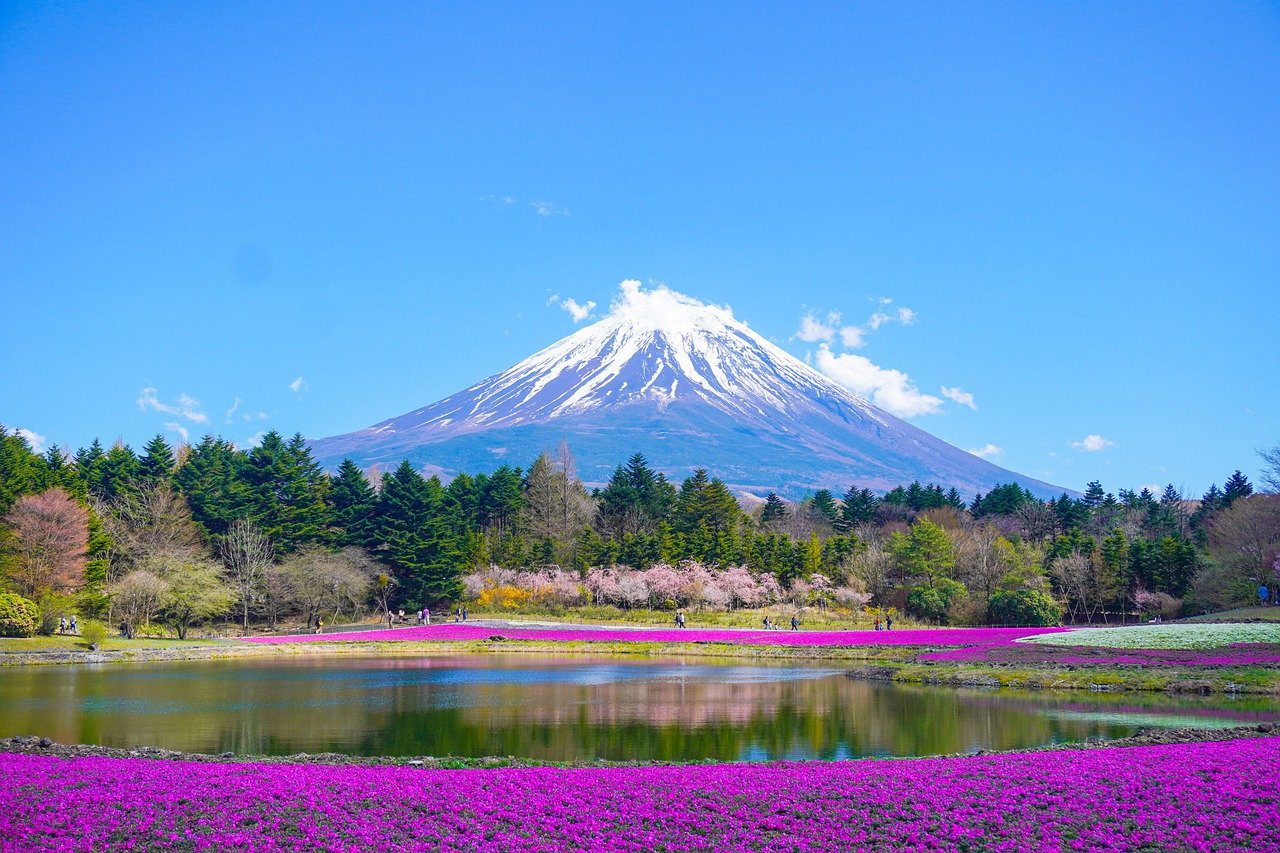
Standing at 3,776 meters (12,389 ft), Mount Fuji isn’t just Japan’s tallest peak — it’s a spiritual icon, a UNESCO World Heritage Site, and a life-list adventure.
Every summer, over 200,000 hikers climb this perfectly shaped volcano. Some come for the challenge. Others for goraiko — the legendary sunrise from the summit. Almost everyone leaves changed.
But make no mistake: Fuji is accessible, not easy.
Here’s your complete 2026 step-by-step guide — from permits to summit sunrise.
1. Best Time to Hike Mt. Fuji (2026 Season)
The official climbing season runs:
Yoshida Trail: July 1 – September 10
Subashiri / Gotemba / Fujinomiya Trails: July 10 – September 10
Outside these dates, Fuji becomes a snow-covered alpine mountain. Facilities close. Weather turns dangerous. Off-season hiking is strongly discouraged.
What to Expect Weather-Wise
Summit temps: 5–8°C (41–46°F) even in summer
Night temps: Often near freezing
Afternoon thunderstorms: Common
Strong winds: Frequent
Pro tip: Start early. Afternoon storms are real.
2. 2026 Permits & New Rules You Must Know
Japan introduced stricter rules to prevent overcrowding.
Key 2026 Updates:
Mandatory fee: ¥4,000 per person (paid online in advance)
Daily cap (Yoshida Trail): 4,000 hikers
Yoshida Trail gate closure: 2 PM – 3 AM (unless you have a hut reservation)
Pre-registration required for Shizuoka-side trails
Reservation system opens around late April–early May 2026
No payment = no entry.
These changes protect both hikers and the mountain environment.
3. Choosing the Right Trail
There are four main routes starting from the 5th Station.
Trail
Difficulty
Ascent
Why Choose It
Yoshida
Beginner
5–7h
Most facilities, best for first-timers
Subashiri
Intermediate
5–8h
Forested start, fewer crowds
Gotemba
Advanced
7–10h
Longest, least crowded
Fujinomiya
Intermediate
4–7h
Shortest, steeper climb
Most international visitors choose Yoshida Trail because it’s easiest to access from Tokyo and has separate ascent/descent paths.
4. Physical Preparation (Start 6–8 Weeks Before)
Fuji requires endurance, not technical climbing skill.
Train with:
Incline hiking
Stair workouts
Jogging at moderate intensity
3–4 sessions per week
60–70% max heart rate
If you rarely exercise, consider hiring a guide.
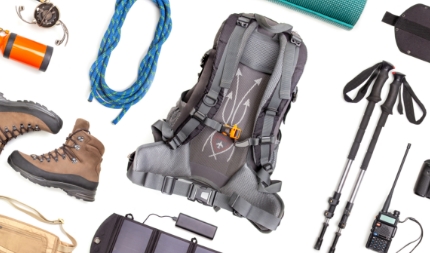
5. Essential Gear Checklist
Clothing (Layering Is Everything)
Base layer (synthetic or wool)
Fleece mid-layer
Waterproof jacket & pants
Gloves + warm hat
Neck gaiter
Footwear
High-cut waterproof hiking boots (broken in!)
Gaiters for gravel
Must-Haves
25–35L backpack with hip belt
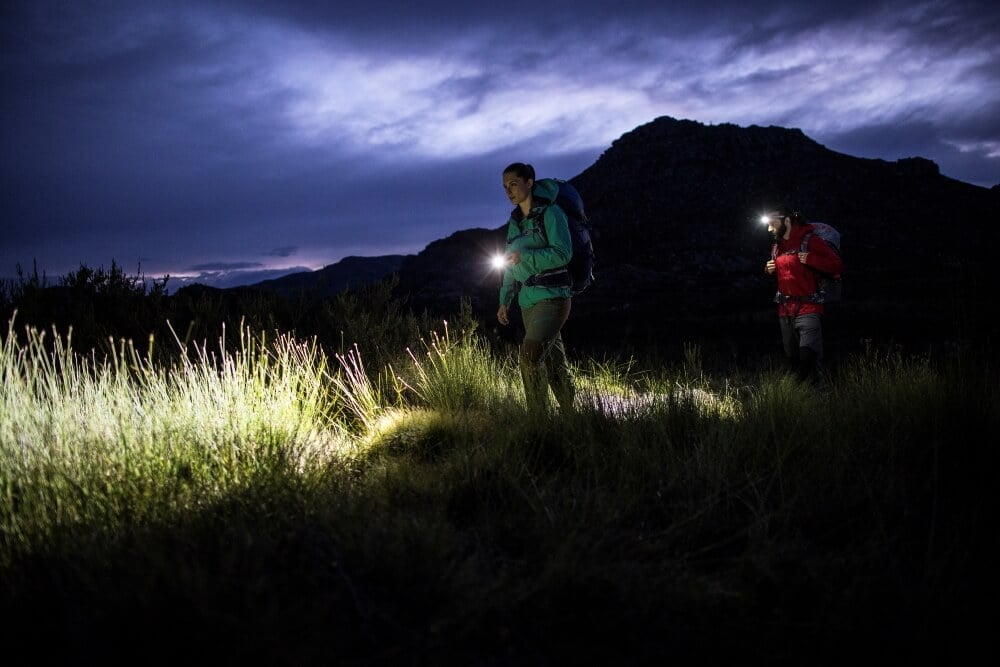
Headlamp (for sunrise summit)
2L+ water
Snacks
Sunglasses + sunscreen
¥500 coins (toilets cost money)
Cash (huts don’t take cards)
Trash bags (leave no trace)
Optional:
Trekking poles
Oxygen canisters (for altitude sensitivity)
Earplugs (huts are loud)
Waterproof everything. Weather changes instantly.
6. Step-by-Step Climbing Plan (Most Popular Overnight Route)
Step 1: Reach 5th Station
From Shinjuku (Tokyo), direct bus to Yoshida 5th Station:
~2.5 hours
Around ¥3,800
Arrive early afternoon.
Pay your fee, hydrate, acclimatize.
Step 2: Afternoon Ascent
Begin climbing slowly. Target: 7th or 8th Station.
Climbing time: 3–5 hours Take frequent breaks.
Slow = safe.
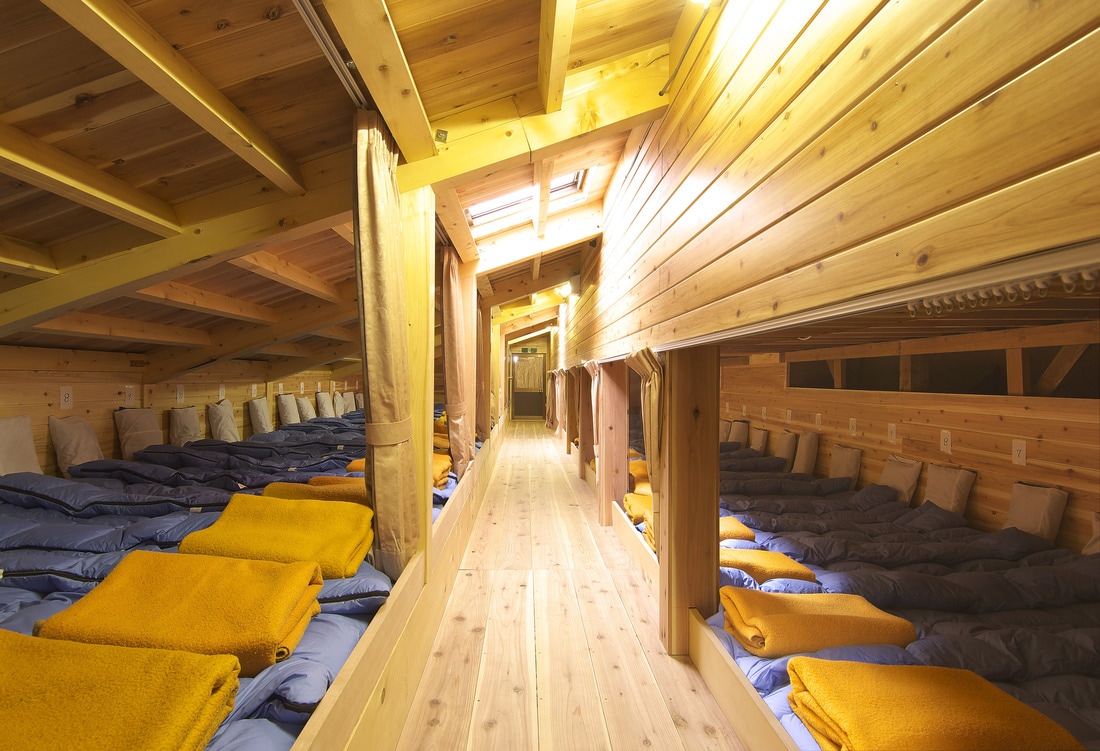
Step 3: Overnight in a Mountain Hut
Cost: ¥13,000–15,000 (with meals)
Rest 4–6 hours. Wake between midnight and 2 AM.
It’s crowded. It’s noisy. It’s part of the experience.
Step 4: Night Summit Push
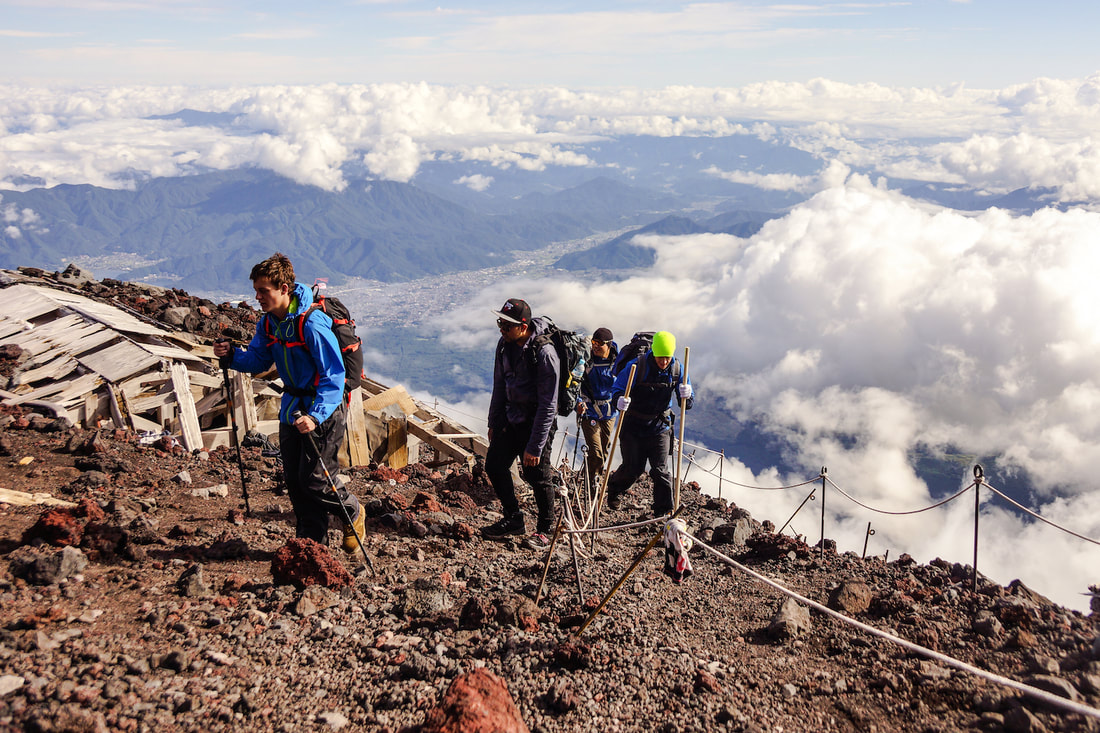
Headlamp on. Rocky terrain. Steep sections. Cold wind.
Move slowly. Watch for:
Headache
Nausea
Dizziness
These are altitude sickness signs.
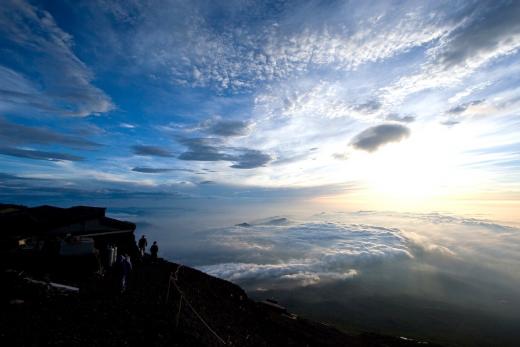
Step 5: Summit & Sunrise (Goraiko)
Arrival: Around 4:30–5:00 AM.
You’ll see:
Sea of clouds below
Fiery red horizon
Summit shrine
Crater rim trail (optional 1-hour walk)
It’s crowded in peak season — but unforgettable.
Many hikers describe it as emotional.
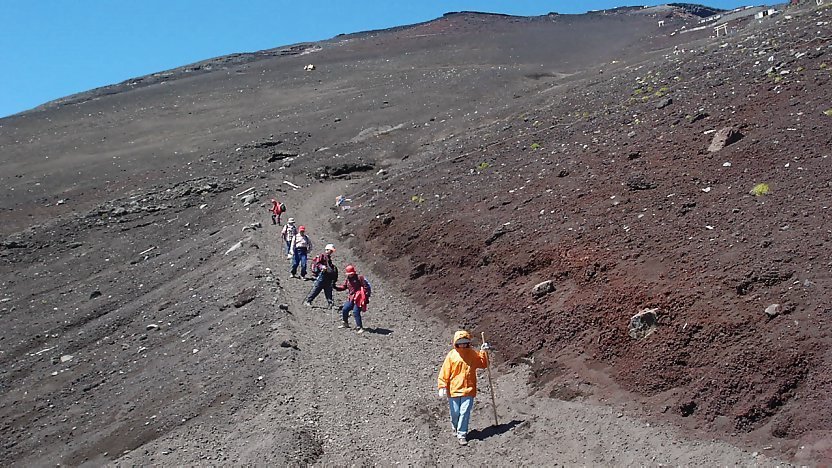
7. Descent
Time: 3–6 hours
Yoshida has a separate zig-zag gravel path. Loose stones = knee strain.
Use trekking poles.
Most hikers finish exhausted but proud.
8. Safety Tips That Matter
Altitude Sickness
Hydrate constantly
Eat even if not hungry
Ascend slowly
Descend immediately if symptoms worsen
Weather
Afternoon lightning is common
Winds can be extreme
Always check forecasts
Environmental Respect
No littering
No plant removal
No wild camping
Pack out everything
Fuji is sacred in Shinto and Buddhist tradition — treat it accordingly.
9. Budget Estimate (2026)
Item
Cost
Mandatory Fee
¥4,000
Roundtrip Bus
~¥7,600
Mountain Hut
¥13,000–15,000
Food & Extras
¥2,000–3,000
Total: Around ¥20,000–25,000 per person
10. After the Hike
Your legs will hurt.
Reward yourself with:
A nearby onsen (hot spring)
A proper meal
Deep sleep
Many hikers say climbing Fuji isn’t just physical — it feels symbolic. Perseverance. Humility. Beauty.
And when you look back at that symmetrical volcano from the train window the next day?
You’ll know you stood on top of Japan.
Final Advice
Book early (permits + huts sell out fast)
Train in advance
Respect the mountain
Start early
Dress warmer than you think necessary
With preparation, hiking Mount Fuji is not just doable — it’s transformative.
Hello, I'm a new member of "great-trip" and I'm looking forward to meeting you! Welcome to "great-trip"! great-trip" is a website designed to introduce tourist attractions in Japan. This site will help you with your next trip by providing detailed information on various tourist attractions in Japan. The site provides easy-to-understand and friendly content so that even those new to planning a trip can find the information they are looking for with ease. great-trip" is operated with the hope of conveying the wonders of Japan's sightseeing spots to as many people as possible. We hope that visitors to our site will find travel enjoyable and appealing, and that we can help them find their next travel destination. As your travel plans progress, discover new aspects of Japan and create wonderful memories. Let's go on a great trip to Japan together! Discover your next travel destination with "great-trip". We look forward to seeing you soon!