
Why Japanese Toilets Are the Best in the World
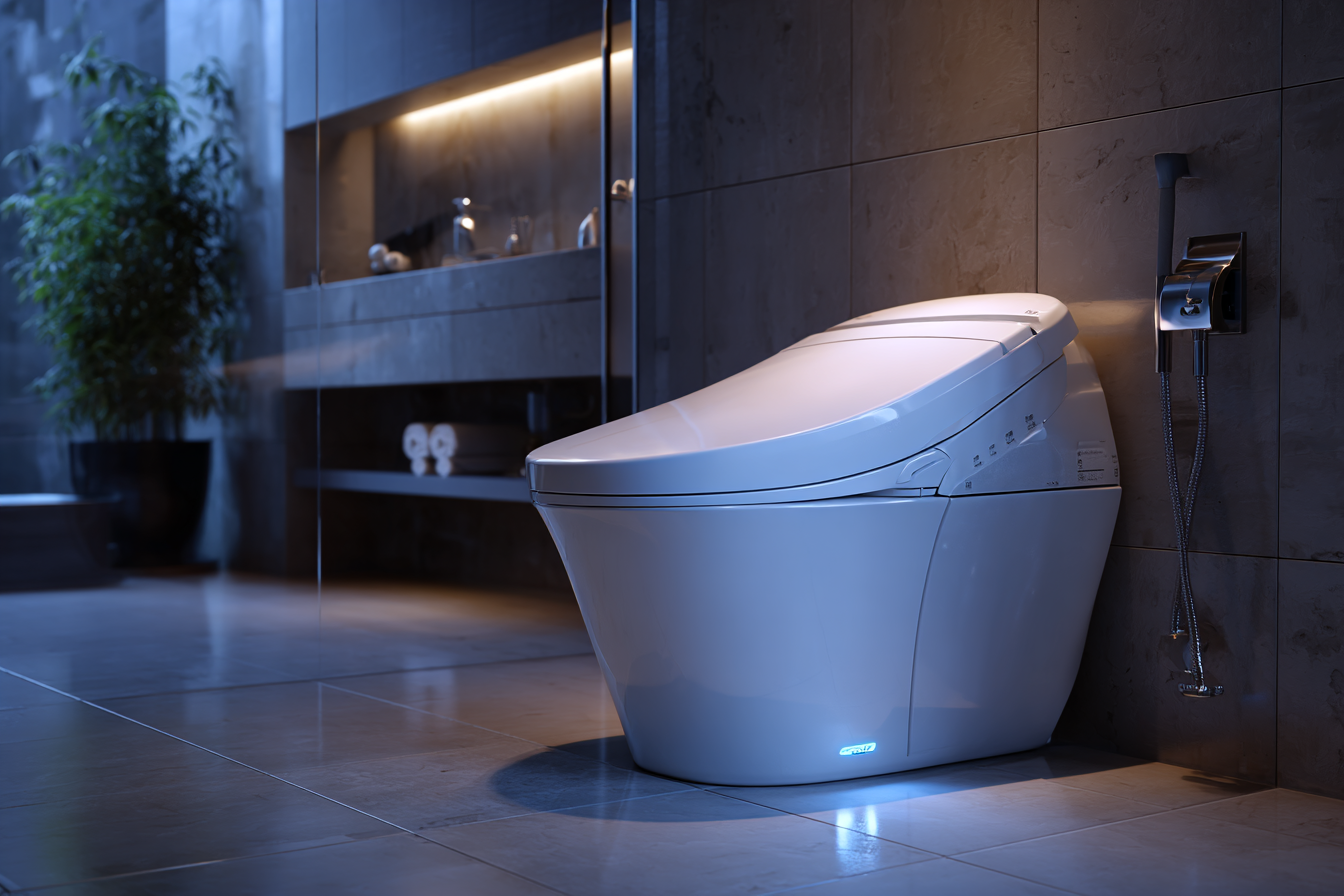


The first time you use a Japanese toilet, something changes.
A warm seat welcomes you.
A gentle stream of warm water replaces harsh paper.
A quiet sound masks any embarrassment.
And when you stand up — it flushes automatically.
Welcome to the world of Japan’s high-tech toilets.
Often called “washlets” (a trademarked term by TOTO), these smart toilets have become a cultural icon. As of recent national housing surveys, over 80% of Japanese households have bidet-equipped toilets — a figure that is accurate and widely cited.
But are they really the best in the world?
Let’s break it down — history, technology, health benefits, culture, and whether the hype is justified.
A Quick History (Fact-Checked)
Japan has had toilet systems dating back to ancient periods, including primitive drainage systems in early settlements (Jōmon/Yayoi eras).
In the Nara period (710–784), some toilets were built over flowing water channels. Cleaning methods evolved from wooden sticks to plant materials and eventually paper during the Edo period.
Modern Western-style flush toilets were introduced in the early 20th century. The company Toyo Toki (later renamed TOTO in 1970) played a key role in domestic production.
The real revolution came in 1980, when TOTO launched the Washlet — an electronic bidet seat inspired by European designs but refined with Japanese engineering.
Initial reactions were skeptical. Within decades, it became the norm.
By 2016, household adoption surpassed 80%, and the number continues to grow.
✔ Historical overview: broadly accurate
✔ 80% adoption claim: accurate
✔ 1980 Washlet launch: correct
What Makes Japanese Toilets Different?
1️⃣ Bidet Functions (Core Feature)
- Adjustable rear spray (oshiri)
- Feminine wash mode
- Warm water (around 38–40°C)
- Adjustable pressure & position
- Pulsating massage mode
Unlike toilet paper, water cleans more thoroughly and gently.
2️⃣ Heated Seats
Winter in Japan can be cold — especially in older homes.
Heated seats (30–40°C) are standard.
After you experience this, cold seats feel barbaric.
3️⃣ Air Dryer & Deodorizer
- Warm air drying
- Built-in deodorizing filters
- Some use ozone or ion purification
No lingering odors.
4️⃣ Automation & Self-Cleaning
- Motion sensors open lids
- Automatic flushing
- Self-cleaning nozzles
- Some models use electrolyzed water
- Advanced models use UV sanitation
The focus is hygiene and touch-free operation.
5️⃣ Privacy Innovation: Otohime
Otohime
“Otohime” (literally “Sound Princess”) plays flushing sounds or music to mask noise.
Before this invention, many women would repeatedly flush to cover sounds — wasting water.
Otohime reduced unnecessary flushing significantly.
November 10 is even informally celebrated as “Toilet Day” in Japan (“ii toire”).
Health Benefits (Evidence-Based)
Medical and health sources confirm:
- Bidets can reduce irritation compared to paper.
- Gentle water cleansing may help people with hemorrhoids.
- Beneficial for postpartum recovery.
- Helpful for elderly or mobility-limited users.
- Reduced friction lowers skin irritation.
However:
Excessive high-pressure use may cause irritation — moderation is key.
Overall, water-based cleaning is widely regarded as more hygienic than paper alone.
Comparison: Japan vs Typical Western Toilets
| Feature | Japanese Toilet | Basic Western Toilet |
|---|---|---|
| Cleaning | Water spray | Toilet paper |
| Seat | Heated | Not heated |
| Automation | Sensors & auto flush | Manual |
| Odor Control | Built-in deodorizer | None |
| Hygiene | Self-cleaning features | Manual cleaning |
In many Western public restrooms, cleanliness standards vary widely. In Japan, even train station toilets are often spotless.
The difference is cultural emphasis on cleanliness.
Cultural Details You’ll Notice
- Separate toilet slippers in homes
- Toilets placed separate from bathing area
- Polite language (“otearai” = “hand-washing place”)
- Public restrooms often immaculate
- Mix of Western-style (yoshiki) and squat (washiki) toilets, though washlets dominate homes
Toilets in Japan are not taboo — they are engineered.
Environmental Impact
Surprisingly eco-friendly.
- Reduced toilet paper consumption
- Dual flush systems
- Some toilets reuse sink water for flushing
- Energy-saving modes
- Otohime reduces unnecessary water waste
Electricity usage is modest compared to overall household consumption.
Real Traveler Reactions
Common reactions include:
- “Game changing.”
- “Heated seat changed my life.”
- “I miss Japanese toilets when I go home.”
- “The pressure settings are no joke.”
Pro tip for first-timers:
Start with low pressure.
Trust me.
Are They Really the Best in the World?
If we define “best” as:
✔ Most hygienic
✔ Most technologically advanced
✔ Most comfortable
✔ Most culturally integrated
✔ Most widely adopted
Then yes — Japan leads.
Companies like TOTO and other manufacturers have transformed something mundane into an experience.
It’s not just a toilet.
It’s an engineered ritual of comfort.
Final Thoughts
You don’t fully understand Japanese innovation until you sit down.
From heated seats to sound masking to automated cleaning, Japanese toilets redefine everyday comfort.
After experiencing one, going back to basic paper-only systems feels like stepping into the past.
If you’re visiting Japan — try it.
If you’re upgrading your home — consider it.
The future of hygiene has already arrived.
And it flushes automatically. 🚽✨