Sake Beginner Guide 2026: What First-Time Visitors to Japan Need to Know Before Their First Sip
great-tirp
great-trip


Around the world, many people are fascinated by one question: how do Japanese women stay slim without spending hours in the gym?
Japan has one of the lowest obesity rates in the world—around 4%, far lower than countries like the United States. Yet intense fitness culture isn’t common. Many Japanese women rarely visit gyms or follow strict diet programs.
Instead, their slim figures are the result of daily habits, cultural traditions, and a lifestyle that naturally supports health.
From mindful eating to walking everywhere, these simple practices help maintain balance without extreme workouts or dieting.
Let’s explore the habits that help Japanese women stay naturally slim.


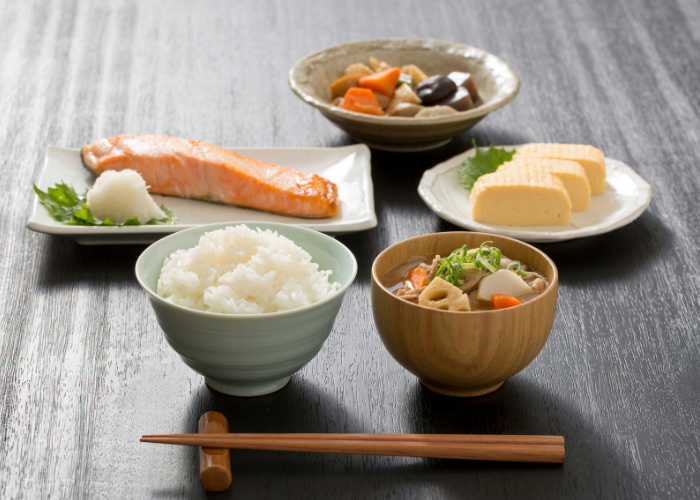
The foundation of Japan’s healthy lifestyle is its traditional diet.
Japanese meals often follow a structure called “ichiju sansai,” which means:
This style naturally creates balanced meals with many small portions instead of one large dish.
Common foods include:
Compared to many Western diets, Japanese meals contain less processed food, less sugar, and smaller amounts of red meat.
This combination supports metabolism while providing plenty of nutrients.
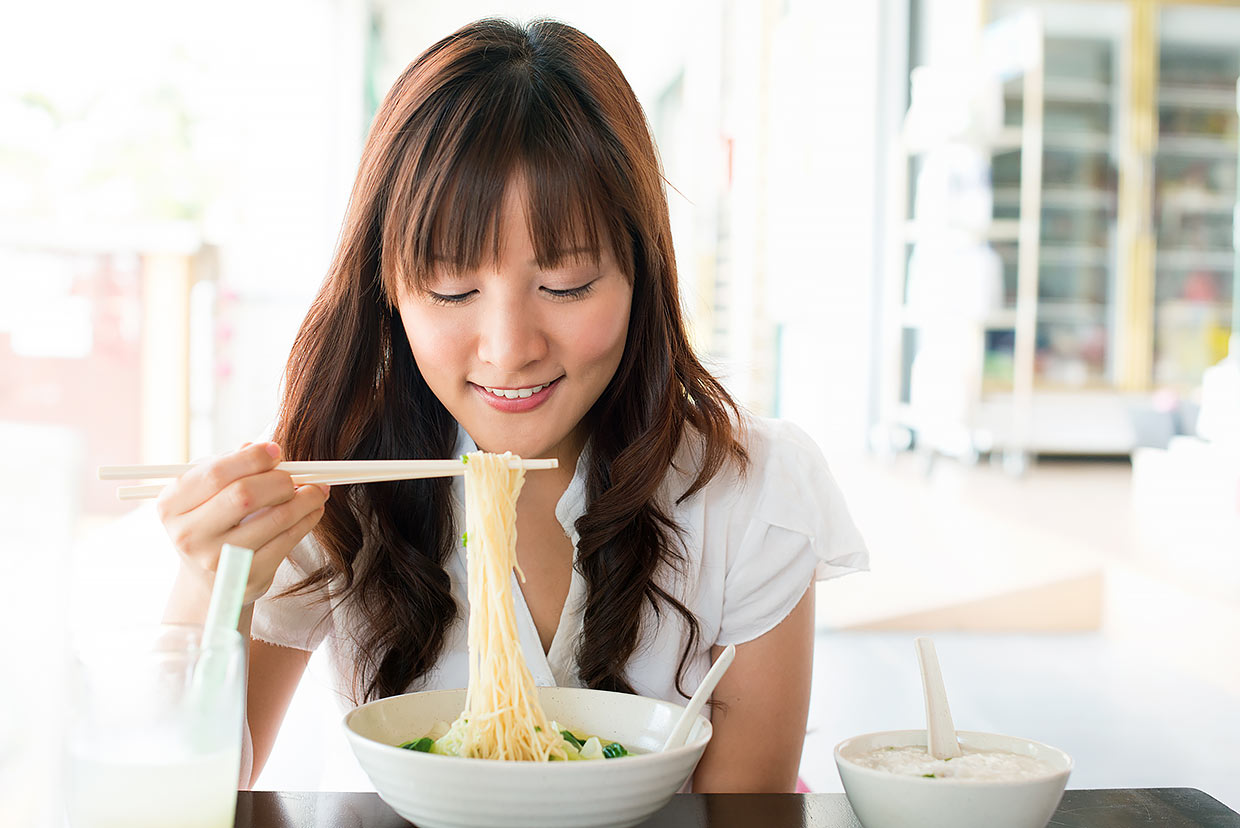

One of the most famous Japanese health habits is called “hara hachi bu.”
It means eating until you are about 80% full, not completely stuffed.
This simple principle has powerful benefits.
It helps people:
Instead of counting calories, people simply stop eating when they feel satisfied but not full.
Meals are also eaten slowly and mindfully, allowing the brain time to recognize fullness.



Japanese women may not spend hours in the gym, but they move constantly throughout the day.
Cities in Japan are designed for walking and public transportation.
Daily routines often include:
Many people easily reach 10,000–20,000 steps per day without thinking about it.
This type of activity is known as NEAT (Non-Exercise Activity Thermogenesis)—calories burned through everyday movement.
Over time, this steady movement can burn more calories than occasional gym workouts.


Green tea is a daily habit for many Japanese women.
Unlike sugary soft drinks, green tea contains no sugar and almost no calories.
It is also rich in catechins, natural compounds linked to:
Many people drink several cups of green tea per day, helping them stay hydrated while supporting overall health.


Another key element of the Japanese diet is fermented foods.
Common examples include:
These foods contain beneficial bacteria that support gut health.
Healthy digestion is closely connected to:
Fermented foods have been a part of Japanese cuisine for centuries and may play a role in the country’s long life expectancy.

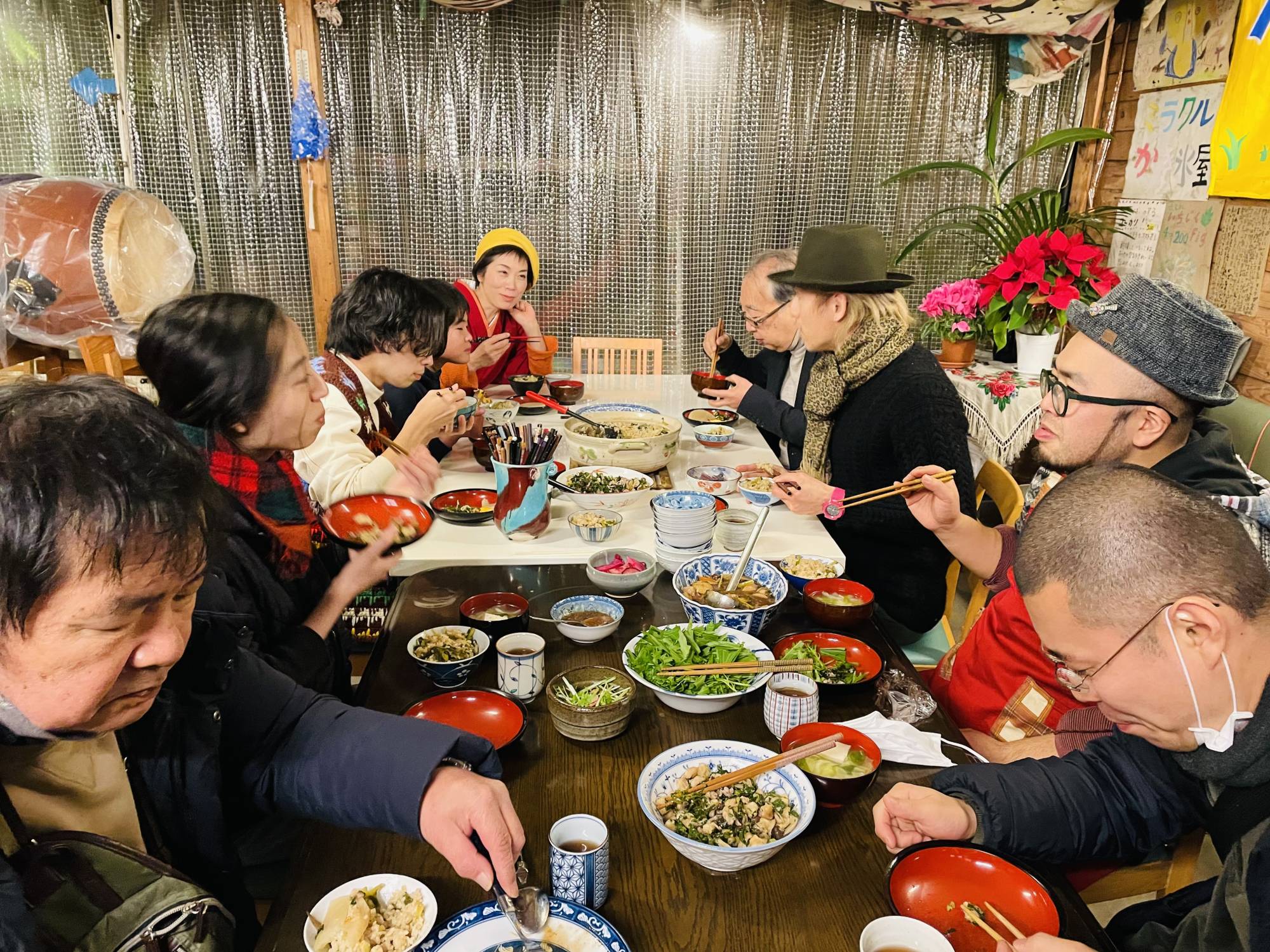

Lifestyle and cultural norms also support healthy habits.
For example:
Even daily living spaces contribute. Traditional homes with tatami floors often require sitting on the floor, which engages core muscles and encourages movement.
Older Japanese women also stay active through activities such as:
This keeps them mobile well into old age.
Some people assume Japanese women are slim because of genetics.
While genetics may play a small role, research suggests lifestyle is the most important factor.
When people from Japan move abroad and adopt Western eating habits, weight gain often follows.
This shows that diet, daily activity, and culture are the real drivers of health.
Japanese women don’t rely on extreme workouts or strict diet plans to stay slim.
Instead, their lifestyle includes:
These simple routines create a natural system where staying healthy becomes part of everyday life.
In many ways, the secret isn’t discipline—it’s designing a lifestyle that makes healthy choices effortless.
And sometimes, the best wellness habits start with something simple: a small meal, a slow walk, and a cup of green tea.