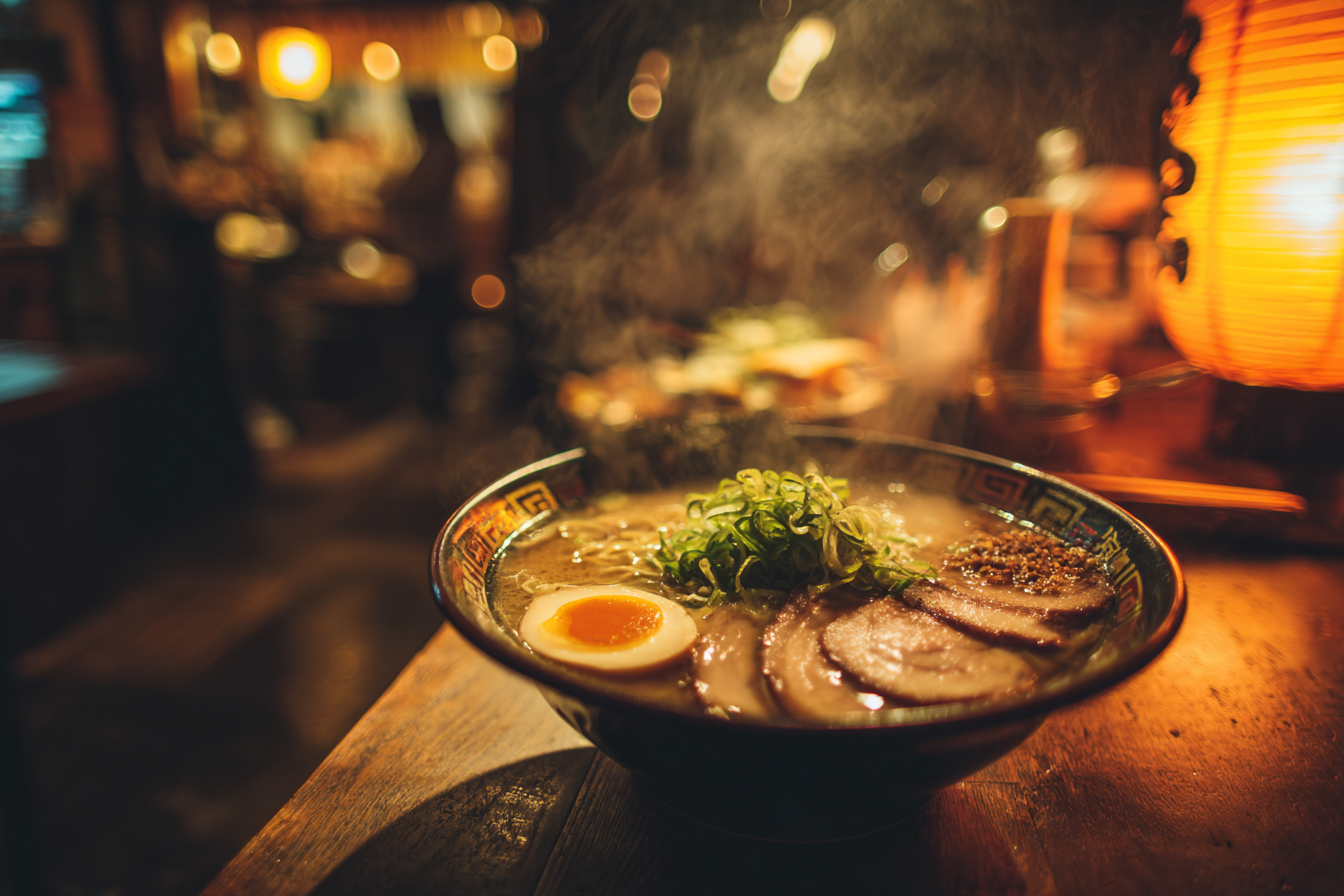
Tokyo has more ramen shops per square mile than any city on earth. One wrong turn and you’re eating mediocre noodles in a tourist trap. This guide is built from Reddit, Tabelog, Michelin, and traveler reviews — 7 shops that foreigners genuinely rave about, every bowl under $15, with addresses, hours, and exactly what to order.
At a Glance: Which Bowl Is Right for You?
| Shop | Style | Price | Area | Best For |
|---|---|---|---|---|
| Ginza Hachigou | French-Japanese chicken | ~$13 (¥2,000) | Ginza | Michelin bucket list |
| Ichiran | Tonkotsu (pork) | ~$10 (¥1,500) | Shibuya/Shinjuku | First-timers, solo diners |
| Fuunji | Tsukemen (dipping) | ~$7 (¥1,000) | Shinjuku | Adventurous eaters |
| Hidakaya | Shoyu / Miso | $3–5 (¥400–700) | Multiple | Budget, late-night |
| Kamo to Negi | Duck broth | ~$10 (¥1,500) | Multiple | Second bowl of the day |
| Ebisu Kamuro | Chicken paitan | ~$8 (¥1,200) | Ebisu | Lighter broth lovers |
| Kikanbo | Spicy miso | ~$10 (¥1,500) | Kanda | Spice challenge |
👉 Curious how Tokyo ramen compares to Sapporo and Fukuoka?
1. Ginza Hachigou — Michelin Bib Gourmand, Under $15
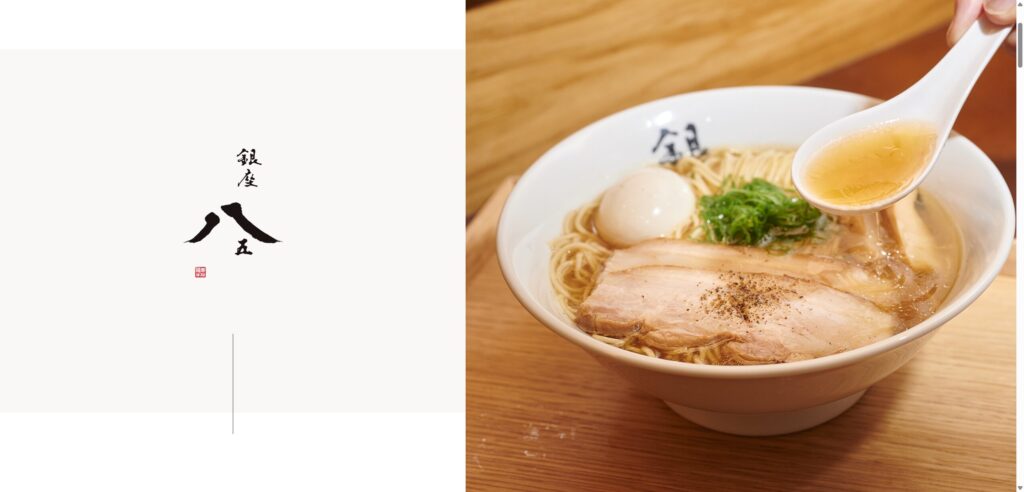
Style: French-trained chicken broth
Price: ~¥2,000 ($13)
Address: 3-14-2 Ginza, Chuo-ku, Tokyo (1F Daiichi Hanabusa Bldg.) — 274m from Higashi-Ginza Station
Hours: Wed–Sun 11:00am–, closed Mon & Tue
Seats: Only 6 counter seats
Links: Tabelog | Michelin Guide | Google Maps
The chef spent 36 years as a French chef before pouring that knowledge into a single bowl of ramen. The result is unlike anything else in Tokyo: golden consommé-style broth made from duck and chicken, prosciutto as a finishing touch, wonton filled with foie gras and truffle. No sauce. Just extracted flavor, perfectly balanced.
Six seats. Michelin Bib Gourmand for six consecutive years. TripAdvisor reviewers call it the best bowl of their trip. Reservations open Wednesday–Sunday at 11am via the official site; walk-ins possible from noon.
Order: Special Chuka Soba (¥2,000). Don’t overthink it — there’s essentially one bowl.
Who should go: Anyone who wants to tell people they ate Michelin ramen in Ginza for $13.
2. Ichiran — The Perfect First Ramen Experience
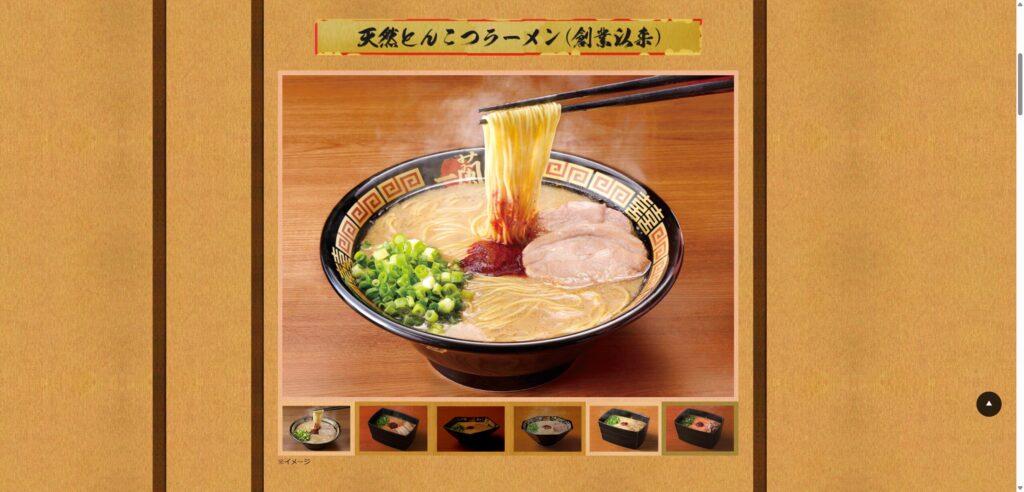
Style: Tonkotsu (pork bone broth)
Price: ~¥1,500 ($10) with one topping
Locations: Shibuya, Shinjuku, Harajuku, Asakusa, and more
Hours: Most locations 24 hours
Links: Official Site | Google Maps – Shibuya
The most recommended ramen shop on r/JapanTravel for first-time visitors — and it’s easy to see why. Private individual booths separated by bamboo dividers. A custom order sheet in English where you dial in noodle firmness, broth richness, garlic, green onion, and spice level. No table service. No awkward pointing at menus. Just you, the sheet, and the bowl that arrives through a small wooden hatch.
The tonkotsu itself is solid — creamy pork bone broth, firm noodles, clean flavors. It’s not the deepest bowl in Tokyo, but the entire experience is so well-executed for solo travelers that it earns its reputation.
Order: Base ramen (¥980) + seasoned egg (¥130) + extra chashu (¥210). Still under $10.
Who should go: First-time visitors to Japan, solo travelers, anyone who wants English support and a no-stress experience.
👉 Want to actually make ramen yourself while in Japan?

3. Fuunji — The Tsukemen That Started a Movement
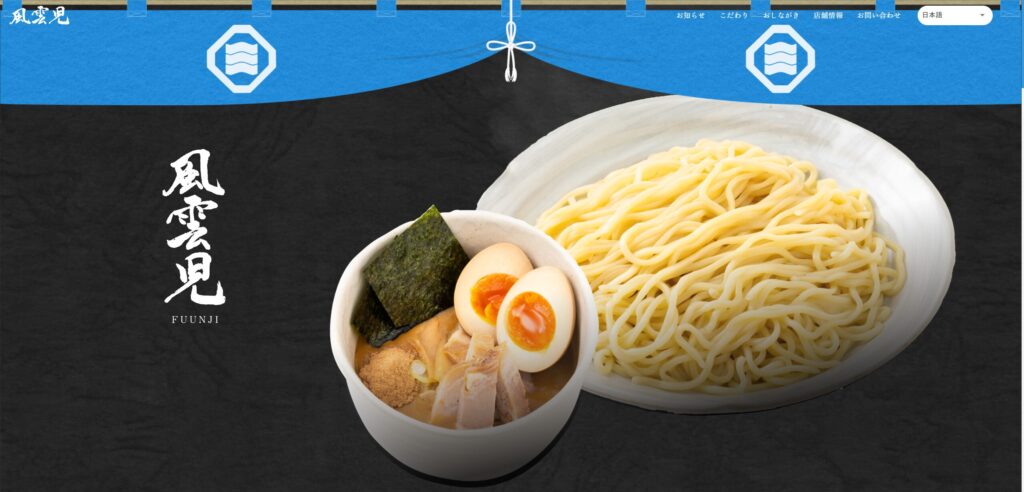
Style: Tsukemen (dipping noodles) — chicken and seafood broth
Price: ¥1,000 ($7) for tsukemen, ¥150 for seasoned egg
Address: 2-14-3 Yoyogi, Shibuya-ku, Tokyo (Hokuto Daiichi Bldg. 1F) — 8 min walk from JR Shinjuku Station South Exit
Hours: Mon–Sat 11am–3pm, 5pm–9pm / Closed Sundays
Phone: +81 3-6413-8480
Links: Tabelog | Google Maps
Fuunji is the shop that put chicken-and-niboshi (dried sardine) tsukemen on the map. The founder, Miyake-san, never trained under a ramen master — he worked in an Italian kitchen, spent years systematically eating Tokyo’s best bowls, then opened his own. The result became a Tabelog Top 100 shop and inspired a generation of tsukemen restaurants across the city.
Tsukemen means your noodles come separately from the broth. You dip thick, chewy noodles into concentrated hot soup — flavors that would be overwhelming in a regular bowl become perfectly balanced when you control the ratio. The broth at Fuunji is gold-colored, intensely savory, built on chicken bones and katsuobushi (dried tuna). 90% of the customers order tsukemen. Follow them.
No English menu. The vending machine has photos. When in doubt, press the top-left button.
Order: Tokusei Tsukemen (special dipping noodles, ¥1,200) + seasoned egg (¥150).
Who should go: Ramen veterans, anyone who wants something off the tourist circuit, adventurous first-timers.
4. Hidakaya — Real Japanese Ramen for $5
Style: Shoyu, Miso, Shio
Price: ¥400–700 ($3–5)
Locations: 100+ branches across Tokyo including Asakusa, Ueno, Shinjuku
Hours: Typically 11am–midnight, some 24 hours
Links: Official Site | Google Maps – Asakusa
No Michelin star. No Instagram queue. Just a clean, fast chain where office workers and students eat the same bowl for ¥470 that visitors come to Tokyo to find.
The shoyu ramen — clear soy sauce broth, medium noodles, a few slices of chashu — is exactly what a functional everyday ramen tastes like in Japan. Not a special occasion. Just good food at a price that leaves budget for everything else. The gyoza side (¥220 for 6 pieces) is worth adding.
Hidakaya is also useful context: when Japanese people eat ramen casually, this is often where they go. Eating here once gives you a reference point for everything else on this list.
Order: Ramen (¥470) + gyoza (¥220). Total: ¥690 ($4.60).
Who should go: Budget travelers, anyone spending the day in Asakusa or Ueno, late-night diners.
5. Kamo to Negi — Duck Broth Changes Everything
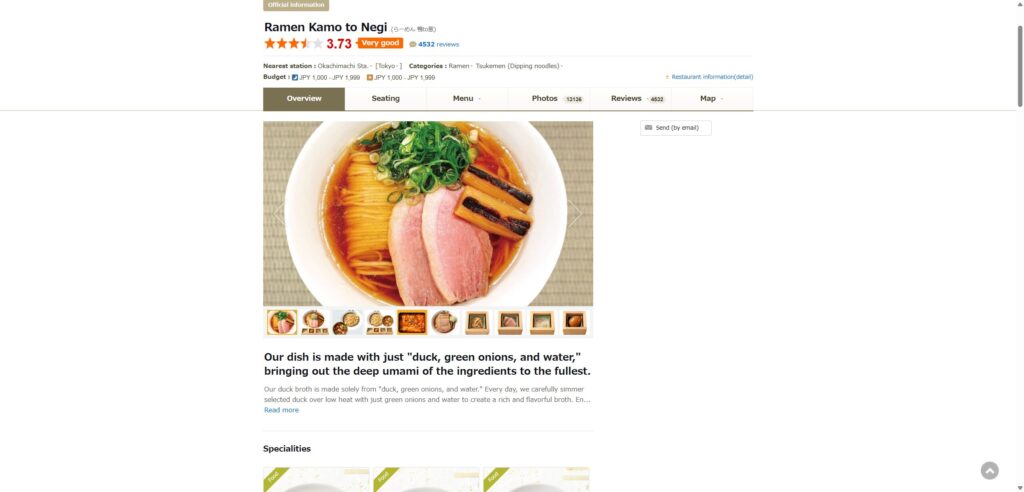
Style: Kamo (duck) broth ramen
Price: ~¥1,500 ($10)
Most ramen in Tokyo runs on pork or chicken. Duck broth is different — more aromatic, with a rounded depth that’s less heavy than tonkotsu but far more complex than standard shoyu. Kamo to Negi’s broth is consistently praised by food bloggers as their favorite bowl of a Tokyo trip. If you’re eating ramen more than once (you should be eating it more than once), this is the bowl that covers territory nothing else on this list does.
Order: Kamo Soba (duck ramen, base bowl).
Who should go: Anyone eating multiple ramen meals who wants genuine variety, travelers who’ve already done tonkotsu and want something different.
👉 Only eating ramen once? See which shops locals actually know
6. Ebisu Ramen Kamuro — Creamy Chicken for People Who Think They Don’t Like Ramen
Style: Chicken paitan (white, creamy broth)
Price: ~¥1,200 ($8)
Location: Ebisu
Links: Google Maps
Chicken paitan is the style that converts skeptics. White, silky broth made by simmering chicken bones until the collagen breaks down and the liquid turns creamy — milder than tonkotsu, richer than shoyu, clean on the finish. Multiple foreign reviewers specifically describe Kamuro as the bowl that made them understand ramen.
Ebisu is quieter than Shibuya or Shinjuku, and Kamuro has shorter lines than its more famous counterparts across town. Good choice if you’re spending time around Daikanyama or heading toward Nakameguro.
Order: Shiro (white) Chicken Paitan Ramen.
Who should go: Travelers who find pork-based ramen too heavy, anyone new to ramen who wants a gentle, impressive entry point.
7. Kikanbo — The Spice Challenge
Style: Karashibi (spicy + numbing) miso ramen
Price: ~¥1,050–1,200 ($7–8) base bowl
Address: Kajicho 2-10-10, Chiyoda-ku, Tokyo — 5 min walk from Kanda Station
Hours: Mon–Sat 11:00am–9:30pm / Sun 11:00am–4:00pm
Links: Tabelog | TripAdvisor | Google Maps
The interior has an oni (demon) mask on the back wall, gold bar decor, and drum music playing at volume. The concept matches: Kikanbo specializes in karashibi — a combination of kara (chili spice) and shibi (sansho pepper numbing) that hits in two separate waves. You choose both intensity levels independently on a scale from “not spicy / not numbing” to “demon level.”
The miso base is rich and substantial even at zero heat. Add spice and the sansho tingling arrives first, followed by a slow chili burn that builds across the bowl. Paper aprons are on the table because you will sweat. Cash only.
Go before 11:30am or after 2pm to avoid the main lunch queue.
Order: Karashibi Miso Ramen, start at “normal” spice and normal shibi on your first visit.
Who should go: Spice lovers, travelers who want a full sensory experience, anyone who needs a story to bring home.
Ramen Style Cheat Sheet
Not sure what broth to order when you walk in? Here’s a quick reference.
| Style | Broth Base | Flavor Profile | Richness |
|---|---|---|---|
| Shoyu | Soy sauce | Savory, clear, slightly salty | Light |
| Shio | Salt | Delicate, clean | Very light |
| Miso | Fermented soybean | Earthy, hearty | Medium–Heavy |
| Tonkotsu | Pork bone | Rich, creamy, fatty | Heavy |
| Chicken paitan | Chicken | Silky, smooth, mild | Medium |
| Kamo (duck) | Duck | Aromatic, complex | Medium |
| Tsukemen | Varies (dipping) | Concentrated, intense | Heavy |
First time? Shoyu or chicken paitan. Want bold? Tonkotsu or miso. Want an experience? Tsukemen or karashibi.
👉 Planning to visit Sapporo or Fukuoka? Each city has a completely different dominant style → Sapporo vs Tokyo vs Fukuoka Ramen: Which City’s Style Is Best?
Practical Tips
Bring cash. Vending machine ticket systems are standard. Some now accept Suica/PASMO IC cards, a few take credit cards — but cash covers you everywhere with zero risk.
The vending machine is not complicated. Photo buttons. Hand a 1,000 yen note to staff and point if all else fails. It always works.
Customize your bowl. At Ichiran especially: noodle firmness (kata = firm, yawa = soft), broth richness, garlic, and spice all matter. Dialing this in makes the bowl noticeably better.
Timing cuts your wait in half. Peak queues: 12–1pm and 7–8:30pm. Go before noon or after 8pm.
Add sides without blowing your budget. Gyoza (¥200–500) or a rice ball (¥100–150) alongside ramen still keeps your total well under $15.
👉 Ramen is just the start — Tokyo’s food scene goes deep
FAQ
Q: Is ramen actually under $15 in Tokyo?
Yes, almost universally. A standard quality bowl at an independent shop is ¥900–¥1,800 ($6–$12) including common toppings. Even Michelin-recognized spots like Ginza Hachigou stay under $15.
Q: What’s the single best ramen shop in Tokyo for a first-timer?
Ichiran if you want zero friction and full English support. Ginza Hachigou if you want to eat something genuinely extraordinary and don’t mind a 20-minute wait.
Q: Do I need to speak Japanese?
No. Ichiran has English menus. Most shops have photo vending machines. Pointing at another customer’s bowl works everywhere.
Q: How many ramen bowls in one day is reasonable?
Two is comfortable. Three is doable if you order regular sizes and space meals 3+ hours apart. “Hashigo ramen” (ramen-hopping) is a genuine Tokyo hobby — but start with two on your first day.
Q: What’s tsukemen and should I try it?
Tsukemen is dipping noodles — noodles served separately from a small bowl of concentrated hot broth. You dip and eat. The broth is far more intense than regular ramen because it’s not diluted. If you’re eating ramen more than once in Tokyo, tsukemen should be one of the bowls. Fuunji (#3 on this list) is the right entry point.
More Tokyo Food Worth Your Time