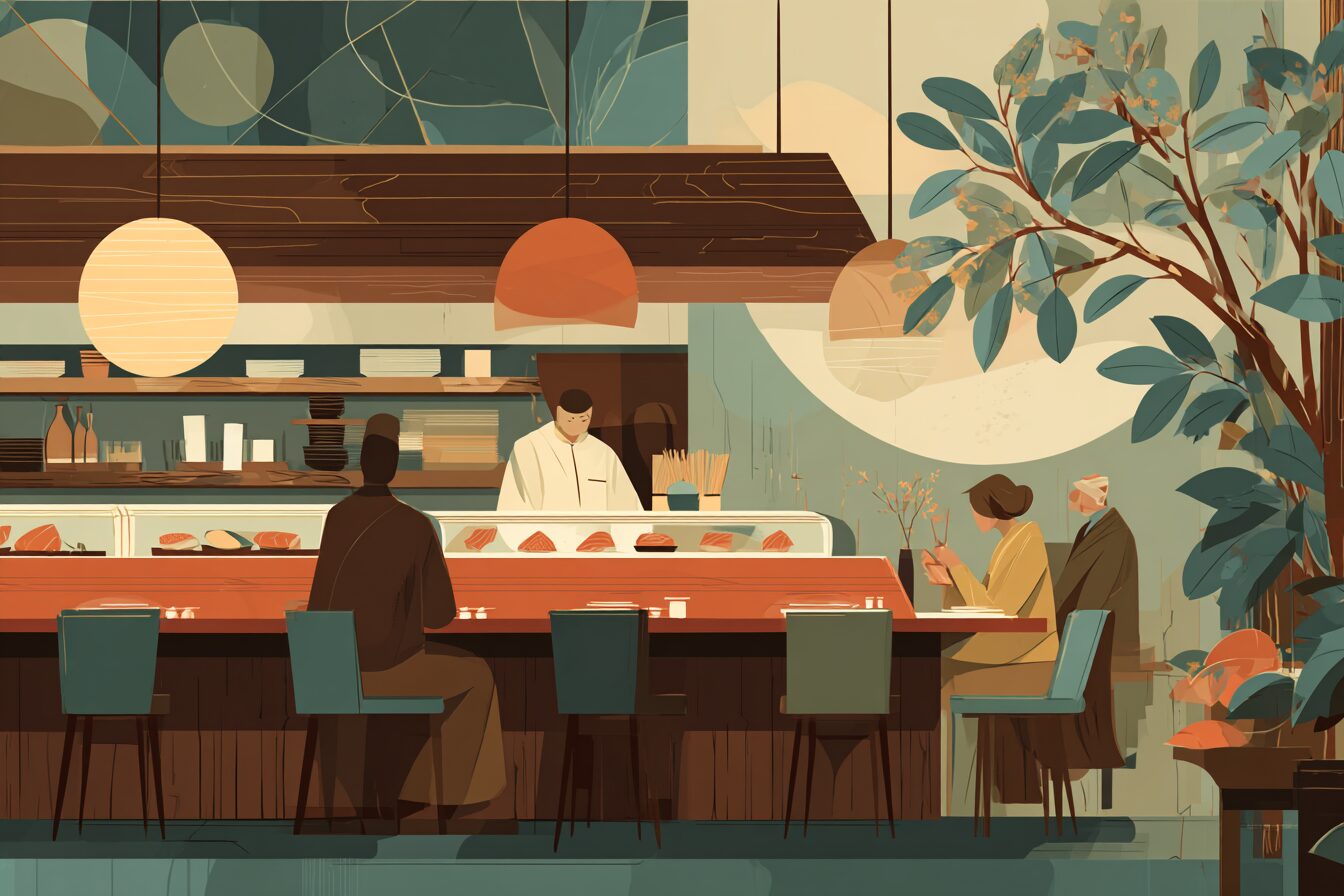
So you’ve heard the word “omakase” and you’re curious — maybe even a little nervous. You’re not alone. Every first-timer sitting down at a Tokyo sushi counter has the same thought: Am I doing this right?
Here’s the good news: you don’t need to be a sushi expert to have the meal of your life. You just need to know what to expect before you walk in the door. That’s exactly what this guide is for.
What Is Omakase, Really?
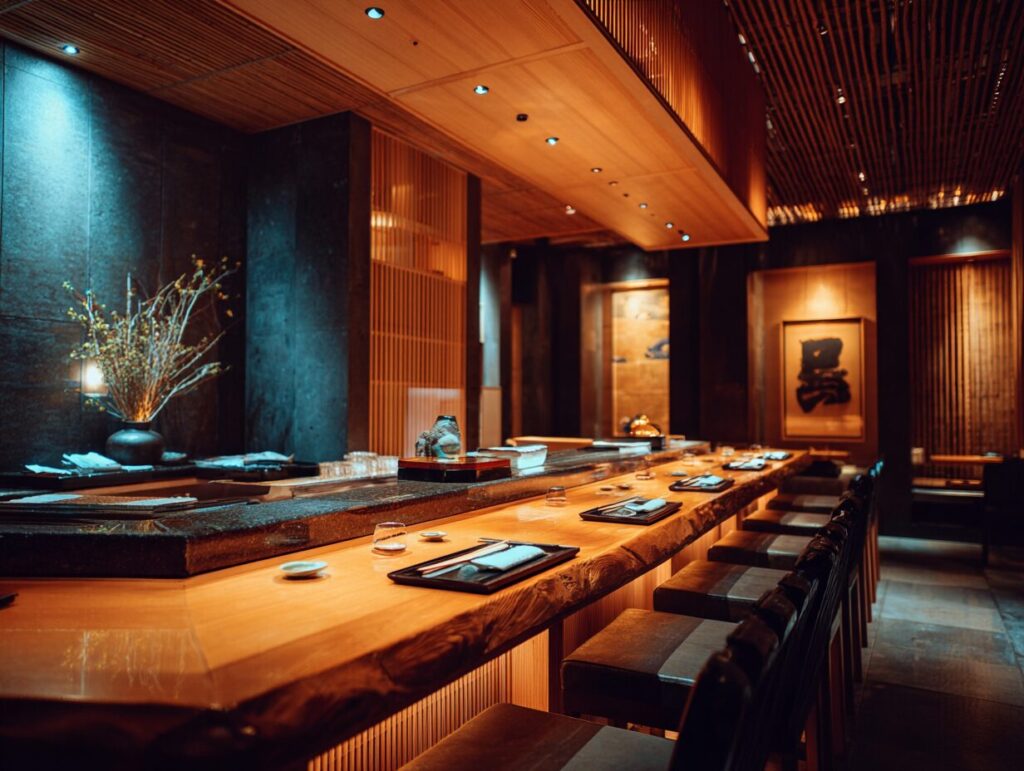
The word omakase (おまかせ) translates literally to “I’ll leave it up to you.” When you say it at a sushi counter, you’re handing the reins to the chef — and trusting them to build you a meal based on what’s best that day.
There’s no menu. No ordering. No decisions to make.
The chef reads the season, checks what came in from Toyosu Market that morning, and constructs a sequence of dishes that tells a story from start to finish. It typically moves from lighter, more delicate white fish through to the rich, fatty finishes — toro, uni, eel — like a symphony with a crescendo at the end.
What you get is something you literally cannot order off a menu, because it didn’t exist until the chef decided to create it for you, tonight.
How Much Does Omakase Sushi Cost in Tokyo? (2026 Price Guide)
This is where first-timers often get surprised — in both directions. Omakase can be surprisingly affordable, or eye-wateringly expensive. Here’s a clear breakdown:
Budget Tier: ¥6,000 – ¥12,000 (~$40–$80)
Yes, real omakase at this price exists. It’s more common at lunch, and a great entry point for beginners.
- Sushi Ishijima (Ginza): Omakase from ¥6,600 for 12 pieces, Edo-style with red vinegar rice
- Sushi Tokyo Ten (Multiple locations): 25–26 course omakase for around ¥8,800–¥9,000
- Manten Sushi (near Tokyo Station): Omakase menus from ¥8,800; known for Toyosu tuna
Mid-Range Tier: ¥12,000 – ¥25,000 (~$80–$165)
The sweet spot for most food-focused travelers. You’ll get exceptional quality, often at an intimate 8–12-seat counter.
- Sushi Kano (Edogawa): Organic ingredients, local celebrity clientele; dinner ¥13,800–¥22,000
- Isseki Sancho (Shinbashi): Five menu tiers from ¥8,800 to ¥22,800; direct sourcing from Toyosu keeps prices honest
- Hashida Tokyo (Kachidoki): ¥22,000 dinner; sommelier sake pairings, modern atmosphere
High-End Tier: ¥25,000 – ¥50,000+ (~$165–$330+)
This is where Tokyo’s reputation as the world’s sushi capital becomes unmistakably real.
- Sushi Ryo (Ginza): ¥25,000–¥46,200; opened by chef Ryo Sasaki at age 24, only 8 counter seats
- Michelin-starred counters: Generally ¥30,000–¥50,000+; often booked out months or years in advance
Practical note: Most omakase prices are all-inclusive (tax and service). Tipping is not expected — and in some cases, actively discouraged. Drinks (sake, beer, tea) are typically charged separately.
What Happens During an Omakase Meal?
If you’ve never sat at an omakase counter before, here’s a rough sequence of what to expect:
1. You arrive and are seated at the counter. The chef — right in front of you — begins preparations. Warm tea or a cold oshibori (wet towel) arrives.
2. The chef starts with lighter pieces. White fish, shellfish, something seasonal. This is the palette-cleanser phase.
3. The middle courses build in richness. You’ll see the chef’s technique on display: knife work, hand-shaping the rice, sometimes a quick pass over a flame.
4. The “signature” pieces arrive. Fatty tuna (otoro), sea urchin (uni), sweet shrimp, eel. These are the peaks of the meal.
5. The meal ends with hand rolls or a simple tamago. A classic Edomae ending.
The whole experience typically lasts 60–90 minutes for a standard course, or up to 2+ hours at higher-end counters.
Beginner’s Guide to Omakase Etiquette (The Unwritten Rules)
You don’t need to memorize a textbook. But knowing these basics will make your experience dramatically more enjoyable — and show respect to the chef.
Before You Go
Arrive 5–10 minutes early. Omakase counters run on a tight schedule. If the chef starts without you, you may miss early courses. Many restaurants now charge a full cancellation fee if you no-show or cancel within 24–48 hours.
Declare dietary restrictions when you book — not when you arrive. The chef needs time to source alternatives or restructure the menu. Springing an allergy on arrival puts everyone in a difficult position.
Dress smart casual. You don’t need a suit. But avoid flip-flops, gym clothes, or torn jeans. A clean shirt and trousers (for men) or a blouse and tailored pants (for women) is perfect. The rule is: dress like you respect the occasion.
Avoid strong perfume or cologne. You’re sitting at a counter where the entire experience is built around delicate aromas. Heavy fragrance genuinely disrupts the meal for everyone around you.
At the Counter
Eat each piece in one bite. The chef shaped the rice and fish together for a reason. Biting halfway through and setting it down breaks the texture and temperature balance the chef designed.
Dip the fish side (neta) in soy sauce — not the rice (shari). The shari will fall apart if it touches soy sauce, and you’ll lose the piece entirely.
Eat immediately after it’s placed in front of you. The rice is seasoned and shaped to a specific temperature. Waiting even two minutes changes the experience.
Chopsticks or hands? Either is fine. Traditional Edomae sushi was designed to be eaten by hand. Many chefs actually prefer it. Do what feels comfortable.
Photos are generally okay — without flash. A quiet shot is usually fine. But a full photo session with a tripod and ring light is not. Read the room.
Conversation with the chef is welcomed, not frowned upon. Many chefs love explaining what you’re eating, where it came from, and how it was prepared. A simple “What is this?” is a compliment, not an annoyance.
How to Book Omakase Sushi in Tokyo (2026 Edition)
This is where many first-timers get stuck. Here’s a practical breakdown of your options.
Option 1: Pocket Concierge
The most foreigner-friendly platform for high-end sushi bookings. In-depth restaurant profiles, strong English, and you pay upfront — which guarantees your seat. Ideal for Michelin-tier or sought-after counters.
Best for: Mid-to-high-end omakase, travelers who want confidence and detail.
Option 2: OMAKASE / Eatinerary
The official booking platform of Japan’s Michelin Guide. Strong selection of fine dining counters, with some exclusive access to restaurants that don’t list on other platforms.
Best for: Fine dining specialists, anyone targeting Michelin Guide-listed restaurants.
Option 3: TableCheck
A wide-ranging reservation system used by everything from boutique counters to hotel restaurants. Many mid-tier omakase restaurants use it as their primary booking system.
Best for: Mid-range bookings, flexibility, wide restaurant selection.
Option 4: Tableall
A specialist service for truly hard-to-book restaurants. They buy seats in advance and sell them to members — for a service fee. Think of it as a concierge service for impossible reservations.
Best for: Bucket-list counters that are booked years out. Expect to pay a ¥3,000 booking fee on top of the meal cost.
Option 5: byFood
Built for foreign travelers specifically. Every listing was personally contacted and written by humans (no auto-translate). Covers all price ranges and also offers guided food experiences.
Best for: First-timers, group bookings, combination restaurant + experience packages.
Booking Timeline: How Far Ahead Do You Need to Be?
| Restaurant Tier | How Far Ahead |
|---|---|
| Budget / mid-range | 1–3 weeks |
| Popular mid-range | 4–8 weeks |
| Michelin-listed | 2–3 months |
| Famous counters (8 seats) | 3–6 months |
| Legendary (Sushi Saito etc.) | Years, via connection |
Pro tip: Always check for last-minute cancellations. They happen more often than you’d expect, especially in the week before your target date. Some platforms send alerts for cancellation slots.
Best Neighborhoods for Omakase Sushi in Tokyo
Ginza is the epicenter. More Michelin-starred sushi counters per square block than anywhere else on earth. Expect premium prices and premium everything.
Nihonbashi / Tsukiji area is where Edomae sushi was born. More traditional counters, slightly less tourist-focused, and often better value.
Shibuya / Roppongi offers easier access for most travelers staying in central Tokyo, with a good mix of mid-range and high-end options.
Residential neighborhoods (Edogawa, Shintomicho, Kachidoki) often hide the best value. No tourist premium, deeply loyal local clientele, and chefs who’ve been doing this for 30+ years.
What Makes Tokyo Omakase Different From Sushi Elsewhere?
There’s one term you’ll see constantly: Edomae sushi (江戸前寿司). It refers to the style that originated in Edo (old Tokyo), traditionally using fish from Tokyo Bay with specific preservation and preparation techniques: marinating, curing, lightly searing, or aging the fish rather than just serving it raw.
The rice — shari — is as important as the fish. Tokyo-style shari uses red vinegar (akazu), giving it a deeper, more savory flavor and a warm, slightly darker appearance. The temperature and seasoning of the rice is something chefs spend years perfecting.
The sum total is an experience that’s genuinely different from what you’ll get anywhere else in the world — including great sushi restaurants in New York, London, or Sydney. The fish came from Toyosu Market this morning. The rice was cooked to the chef’s exact specification. And the person slicing in front of you has dedicated decades to this one craft.
Frequently Asked Questions
Do I need to speak Japanese? Not at high-end counters that cater to international guests. Many chefs at foreigner-friendly restaurants (accessible via Pocket Concierge or byFood) speak conversational English and enjoy explaining dishes. For smaller neighborhood spots, a few words of Japanese go a long way — “Oishi!” (delicious) will make any chef smile.
Can I tell the chef what I don’t like? Yes — but do it when you book, not at the counter. Mention major dislikes or allergies in the reservation notes. Minor preferences (“I’m not crazy about uni”) can be mentioned early in the meal. Chefs appreciate knowing; they’d rather adjust than have you eat something you’re miserable about.
Is it rude to take photos? A discreet photo without flash is generally fine. Some higher-end counters ask you not to, especially if the chef is focused. Always follow the restaurant’s lead, and never hold up the chef waiting for you to photograph before eating.
What should I drink? Sake is the classic pairing — ask the chef or staff for recommendations. Beer is also perfectly appropriate. Avoid heavily aromatic wines or cocktails that can compete with the delicate fish flavors. Some high-end counters offer sake pairing courses as an add-on.
What if I can’t afford the top-tier places? Don’t wait. A ¥8,800 omakase at a skilled neighborhood counter in Tokyo is still one of the best meals most people will ever eat. Start there. You’ll understand what the fuss is about — and the next time you visit, you’ll have a better sense of exactly what you want to spend more for.
Quick Reference: What to Know Before You Go
- Book early: 2–3 months minimum for anything popular
- Arrive 5–10 minutes before your reservation
- Declare allergies and dietary restrictions at booking
- Dress smart casual, no strong perfume
- Eat each piece immediately and in one bite
- Dip fish side only in soy sauce
- Tipping is not expected or appropriate
- Cancellation fees apply at most counters — check before you book
- Use Pocket Concierge, OMAKASE, or byFood for English-friendly booking
The best omakase experience in Tokyo isn’t necessarily the most expensive one — it’s the one where you sat down, let go of control, and trusted someone who has dedicated their life to this craft.
That’s the whole point of omakase. And Tokyo is the best place in the world to experience it.
Related: Best Japanese Food Experiences in Tokyo Beyond Sushi | How to Navigate Toyosu Fish Market | Tokyo Neighborhood Guide: Where to Stay for Food Lovers