
Is the Japan Rail Pass Still Worth It?


4
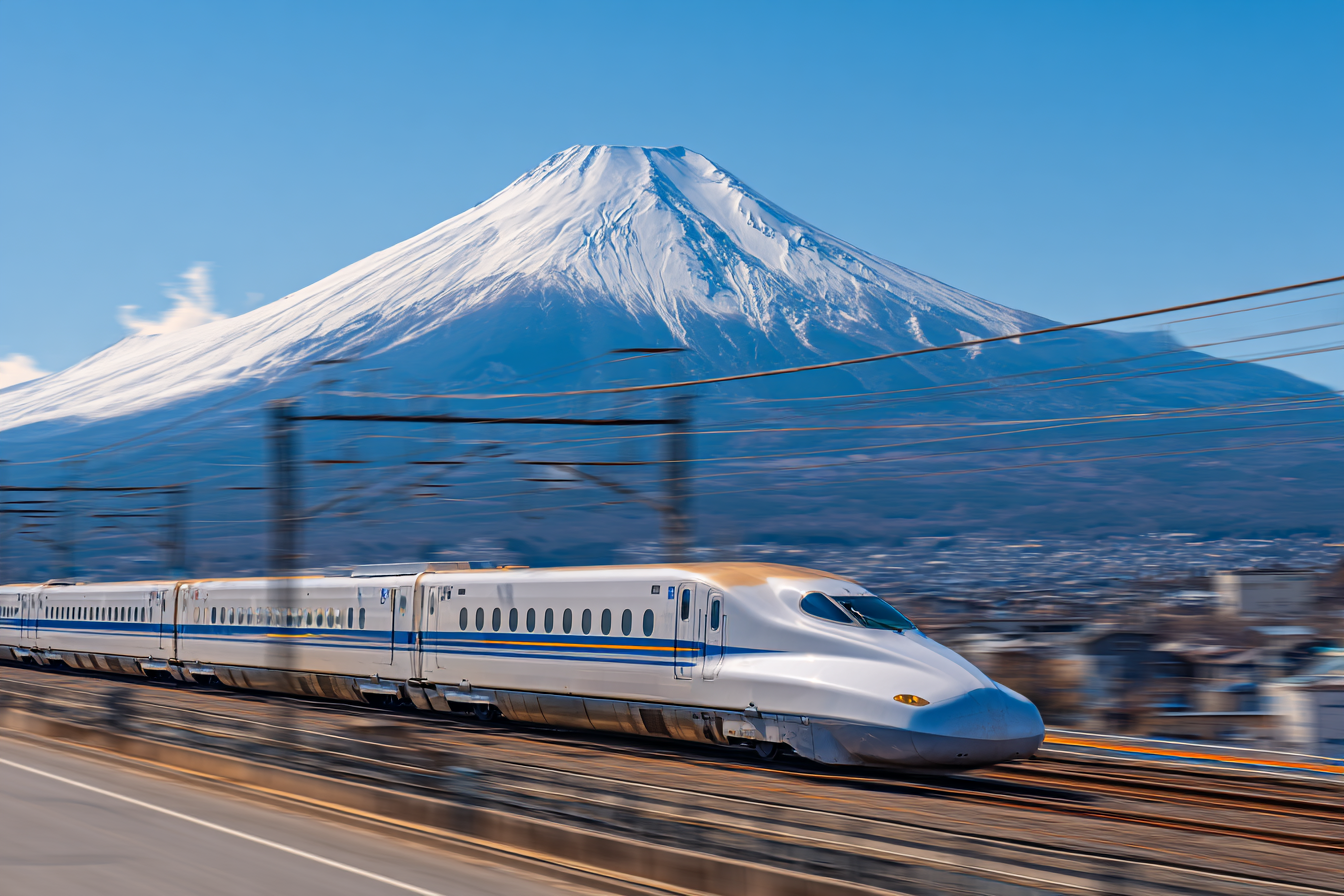
For years, the Japan Railways Group Pass was the ultimate travel hack. Unlimited bullet trains. Cross-country freedom. No ticket lines.
Then October 2023 happened.
Prices jumped up to 70%.
Now in 2026, with the 7-day pass starting at ¥50,000, travelers are asking the right question:
Is the Japan Rail Pass still worth it — or is it outdated?
Here’s the clear, no-hype answer.
What Is the Japan Rail Pass?
The JR Pass is a tourist-only rail pass offering unlimited rides on most JR-operated trains for:
- 7 days
- 14 days
- 21 consecutive days
It covers:
- Most Shinkansen (bullet trains)
- Limited express & local JR trains
- Tokyo Monorail
- JR Ferry to Miyajima
- Major JR city lines (Yamanote, Osaka Loop, etc.)
It does NOT cover:
- Tokyo Metro
- Kyoto subways
- Private railways
- Nozomi & Mizuho Shinkansen (fastest trains — require extra fee)
Eligibility: Short-term tourist visa (up to 90 days).
2026 Prices (Ordinary Class)
| Duration | Adult Price |
|---|---|
| 7 Days | ¥50,000 |
| 14 Days | ¥80,000 |
| 21 Days | ¥100,000 |
Green Car (first class) costs significantly more.
At roughly ¥150 per USD:
¥50,000 ≈ $333
That’s not pocket change.
When the JR Pass IS Worth It
The pass works best for fast-paced, multi-city itineraries with heavy Shinkansen usage.
Example: 7-Day High-Intensity Trip
Tokyo → Kyoto → Hiroshima → Kyoto → Tokyo
- Tokyo–Kyoto: ¥13,320 (one-way)
- Kyoto–Hiroshima: ¥11,340
- Round trips quickly exceed ¥50,000
You can save roughly ¥10,000–20,000.
If you’re doing:
- 3+ long-distance bullet train rides in one week
- Multiple side trips from a base
- Enthusiast-level rail travel
Then yes — it still makes sense.
When the JR Pass Is NOT Worth It
Most relaxed itineraries fall here.
Example: 10-Day Trip
Tokyo → Kyoto → Osaka → Tokyo
Total Shinkansen cost: ~¥26,640 round trip.
JR Pass cost: ¥50,000.
That’s a ¥23,000 loss.
If you’re:
- Staying mostly in Tokyo
- Visiting only Kansai (Kyoto/Osaka/Nara)
- Traveling slowly
- Taking just 1–2 bullet train rides
Skip it.
The Hidden Downsides
- Consecutive days only — no flexibility
- High upfront cost
- Encourages rushed itineraries
- Doesn’t cover subways in major cities
- Supplements required for fastest trains
Many travelers now say it feels like pressure to “use it enough.”
Smarter Alternatives in 2026

4
1️⃣ Regional JR Passes (Often Better Value)
Example:
- JR West Kansai–Hiroshima Pass (~¥13,500 for 5 days)
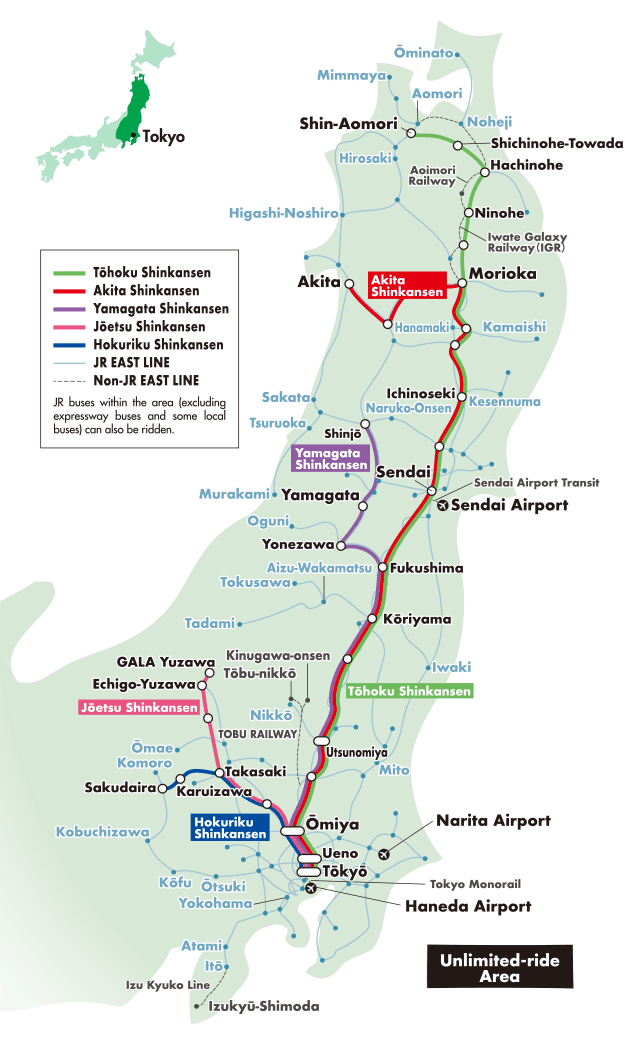
- JR East Tohoku Pass (~¥30,000 flexible days)
Great for focused region travel.
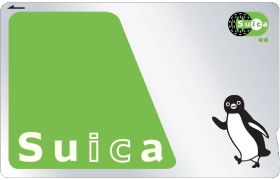
2️⃣ IC Cards (Suica / ICOCA / Pasmo)
Suica
- Rechargeable
- Works nationwide
- Perfect for city travel
- Also usable at shops & vending machines
If you’re city-focused, this is all you need.
3️⃣ Individual Shinkansen Tickets
Tokyo–Kyoto one way: ¥13,320
Apps like SmartEX often offer discounts.
For 1–2 long trips, this is cheaper.
4️⃣ Highway Buses
Tokyo–Kyoto:
¥3,000–6,000
Slower, but huge savings.
Good for budget travelers.
Real Traveler Insight (2026 Sentiment)
After the price hike, the tone shifted.
Many travelers now say:
- “Go fewer places. Travel deeper.”
- “It’s not the no-brainer it used to be.”
- “Regional passes are smarter.”
The consensus:
The JR Pass now rewards aggressive itineraries — not relaxed ones.
Quick Decision Checklist
Buy the JR Pass if:
✔ You’re doing 3+ long-distance bullet train rides in 7 days
✔ You’re crossing multiple regions
✔ You want convenience over planning
Skip it if:
✔ You’re mainly in Tokyo or Kansai
✔ You prefer slow travel
✔ You only need 1–2 Shinkansen rides
Final Verdict (2026)
The Japan Rail Pass is no longer automatic.
It’s strategic.
For ambitious, rail-heavy routes — yes, it can still save money.
For most first-time visitors doing Tokyo + Kyoto + Osaka — it’s usually not worth it.
Calculate first.
Then decide.
Either way, Japan’s trains remain some of the best in the world. 🚄✨
Safe travels.