Kyoto’s Best Matcha Experiences
great-tirp
great-trip

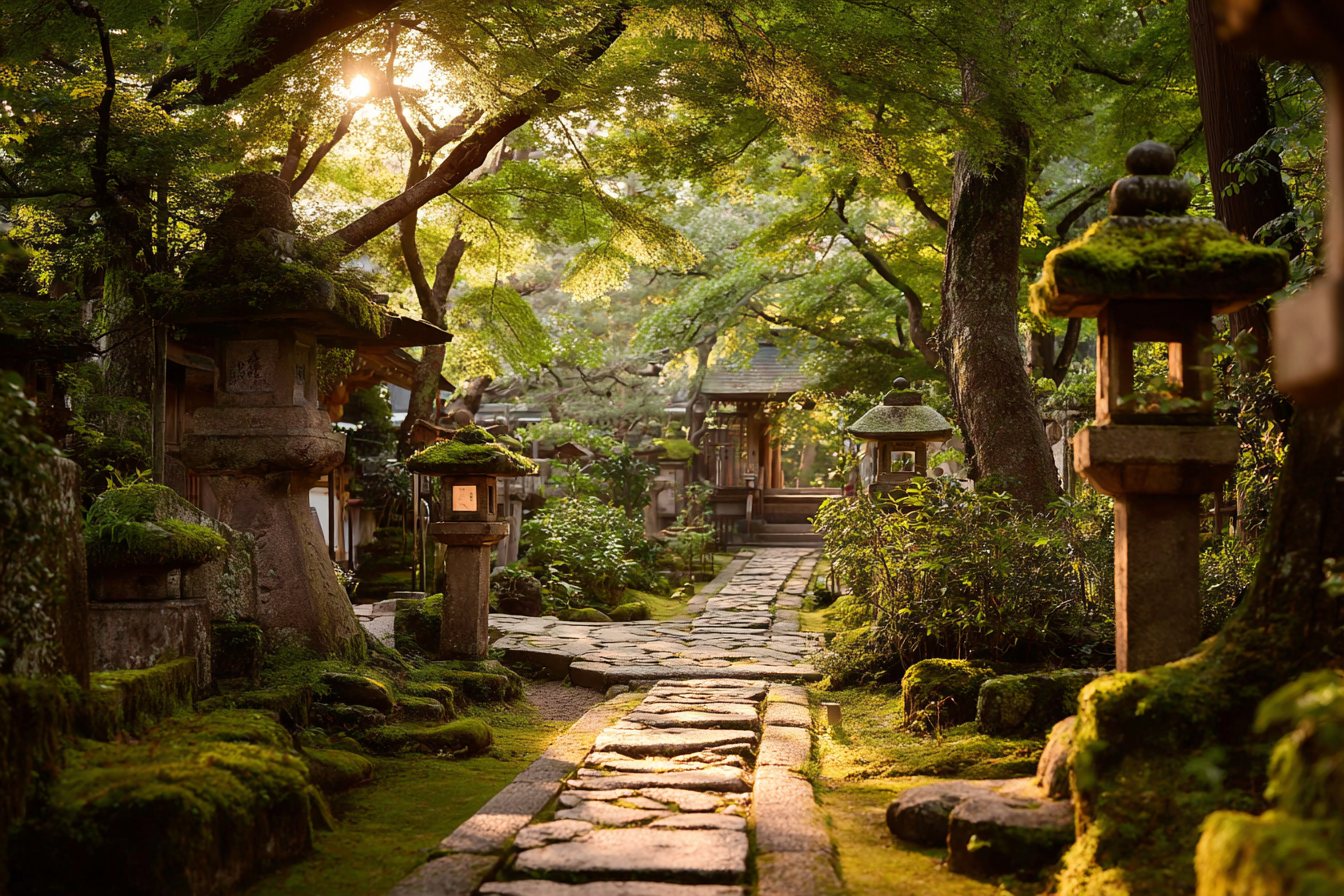
Kyoto is breathtaking — and overwhelmingly popular. By mid-morning, iconic spots like Fushimi Inari, Kiyomizu-dera, Arashiyama Bamboo Grove, and Kinkaku-ji can feel more like theme parks than sacred places.
But here’s the secret seasoned travelers learn: Kyoto still rewards those who wander just a little farther.
Step off the main streets. Walk 10–20 minutes beyond the bus stops. Visit early. Stay late. Choose places locals cherish quietly.
Below are 10 truly beautiful Kyoto spots where you can slow down, breathe deeply, and experience the city the way it was meant to be felt — not rushed.
Visit on weekday mornings before 9:00 AM or after 4:00 PM for the most peaceful atmosphere.


Hidden in the hills beyond Arashiyama, Otagi Nenbutsu-ji feels like a secret stone kingdom.
More than 1,200 moss-covered rakan (Buddhist disciples) statues line the forested grounds. Each face is different — laughing, meditating, crying, even playful. It’s haunting, whimsical, and deeply photogenic.
Why it’s quiet: It’s a 20–30 minute walk uphill from Arashiyama’s main bamboo grove area. Most tour groups never make it.
Admission: ¥400
Hours: ~9:00 AM–5:00 PM
Travel tip: Visit early when sunlight filters through the trees. Pair it with nearby Gio-ji and Adashino Nenbutsu-ji for a serene “moss and stone” route.


Just a short walk from Otagi, Gio-ji looks like something from a storybook.
A tiny thatched-roof hall sits inside a velvet-green moss garden. In autumn, red maple leaves scatter across the moss like fallen silk.
Why it’s quiet: It’s tucked deep into Arashiyama’s northern edge — far from the bamboo forest crowds.
Admission: ¥300
Best time: After rainfall — the moss glows intensely green.
There’s also a tragic love story behind the temple’s origins. Lean into the emotion when you write about it — readers love narrative depth.


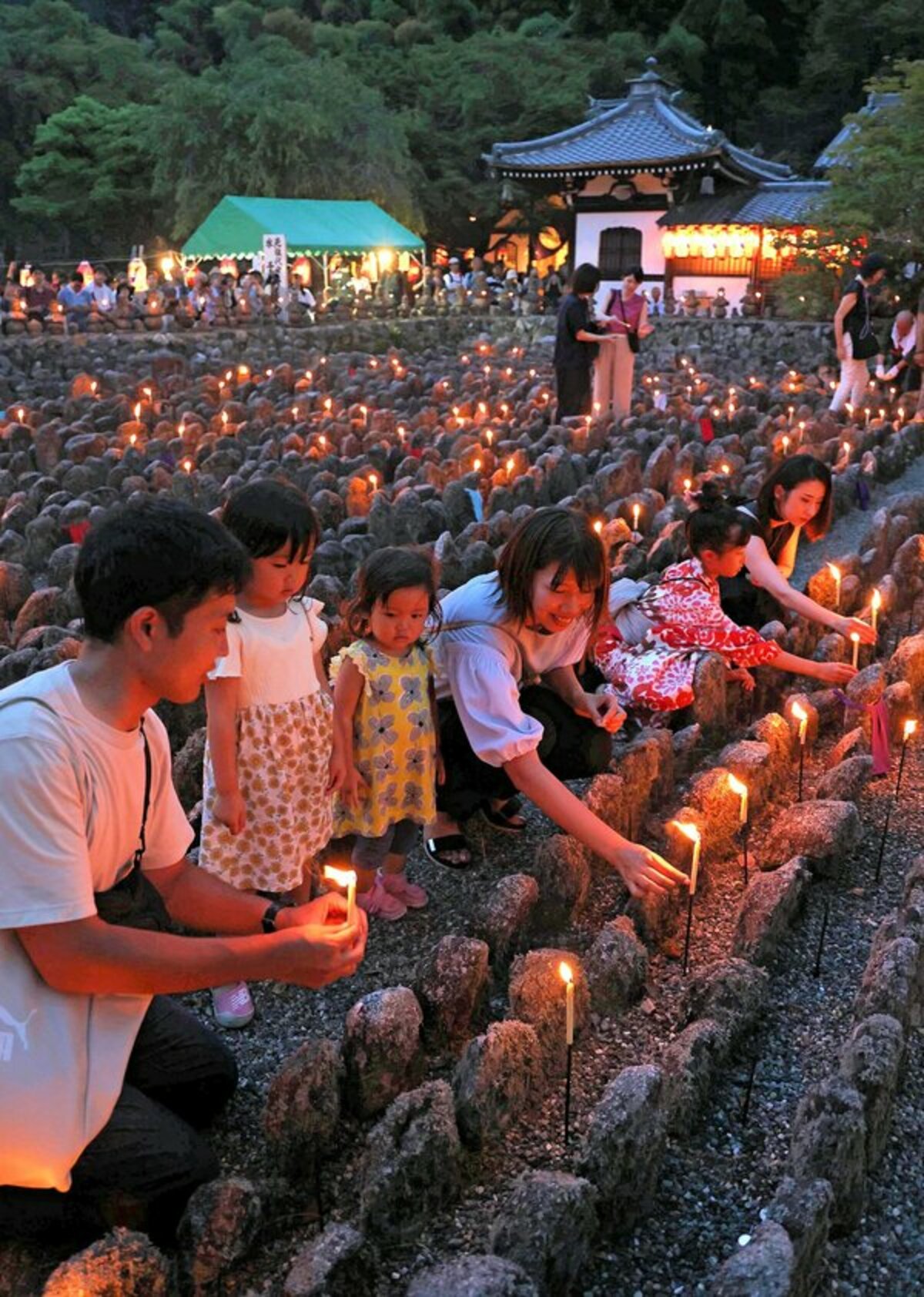
A short walk from Gio-ji, Adashino Nenbutsu-ji holds over 8,000 stone memorial statues honoring the forgotten dead.
A small bamboo path leads into a clearing filled with rows of silent figures. It’s peaceful — and deeply moving.
Why it’s quiet: It’s on the far western edge of Arashiyama, well beyond typical tourist routes.
Admission: ¥400
Special event: The lantern festival in late August transforms it into a glowing sea of light.
Go near sunset for a hauntingly beautiful atmosphere.


Next to the famous Kodaiji — yet nearly empty — Entoku-in offers refined Zen elegance without the crowds.
Stone lanterns, moss gardens, and subtle autumn colors make it a hidden East Kyoto masterpiece.
Why it’s quiet: It lives in Kodaiji’s shadow.
Admission: ~¥500
Time needed: 30–45 minutes
Pair it with nearby Kennin-ji for a quiet Eastern Kyoto loop.
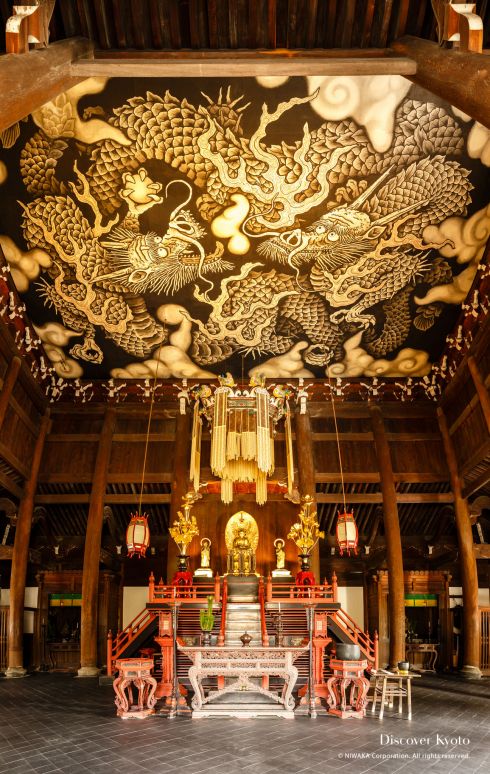

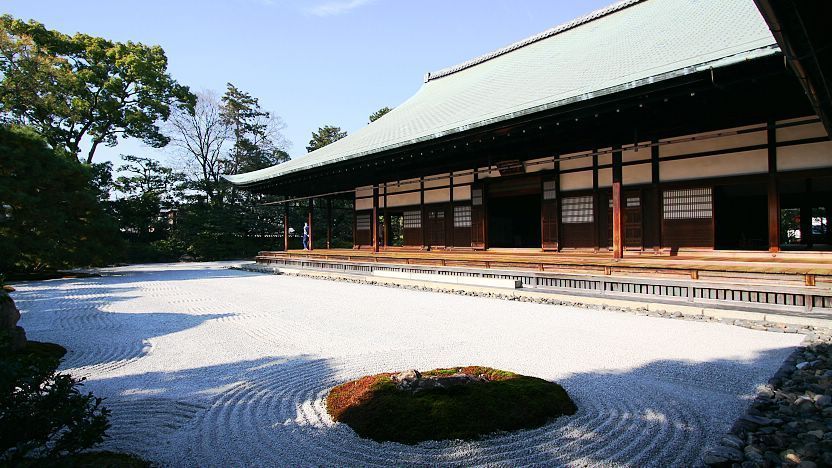
Founded in 1202, Kennin-ji is Kyoto’s oldest Zen temple — yet often overlooked.
Inside, you’ll find:
• A massive twin dragon ceiling painting
• Stunning replicas of the Wind and Thunder Gods screen
• Quiet tatami halls perfect for sitting meditation
Why it’s quiet: Most visitors in Gion head toward Yasaka Shrine or Kiyomizu-dera instead.
Admission: ¥600
Sit on the tatami and look up at the dragons. It’s unforgettable.
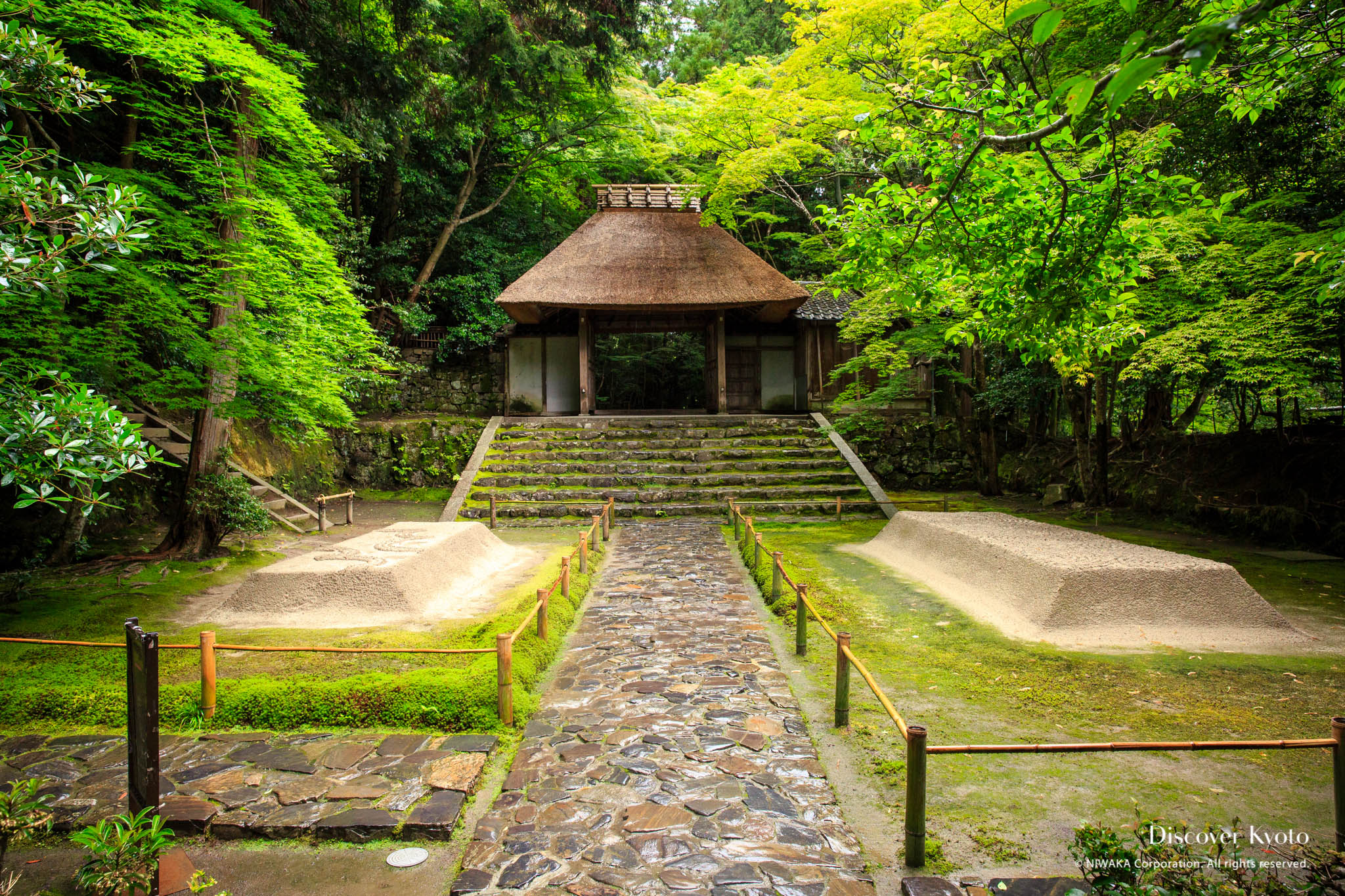
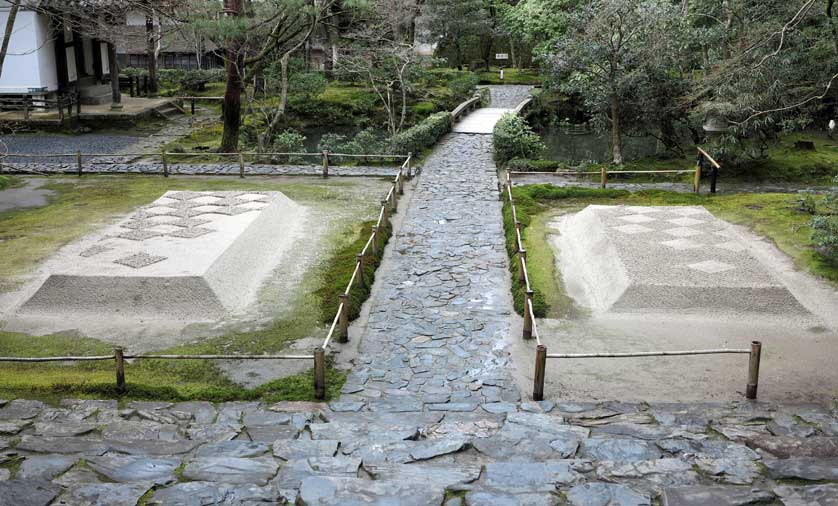

At the northern end of the Philosopher’s Path lies Honen-in — a temple many visitors never reach.
A moss-covered gate and sand purification mounds create an atmosphere of profound stillness.
Why it’s quiet: Most people stop at Ginkaku-ji and turn back.
Admission: Free (donations welcome)
Best time: Early morning mist
It feels like stepping into a hidden mountain monastery.
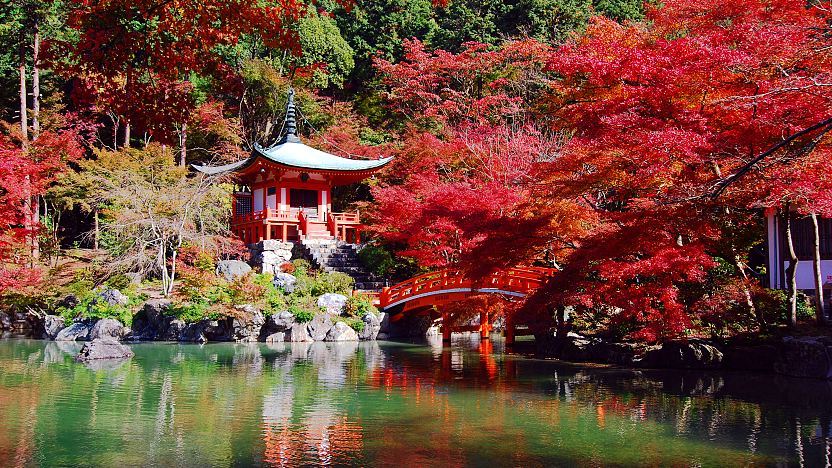

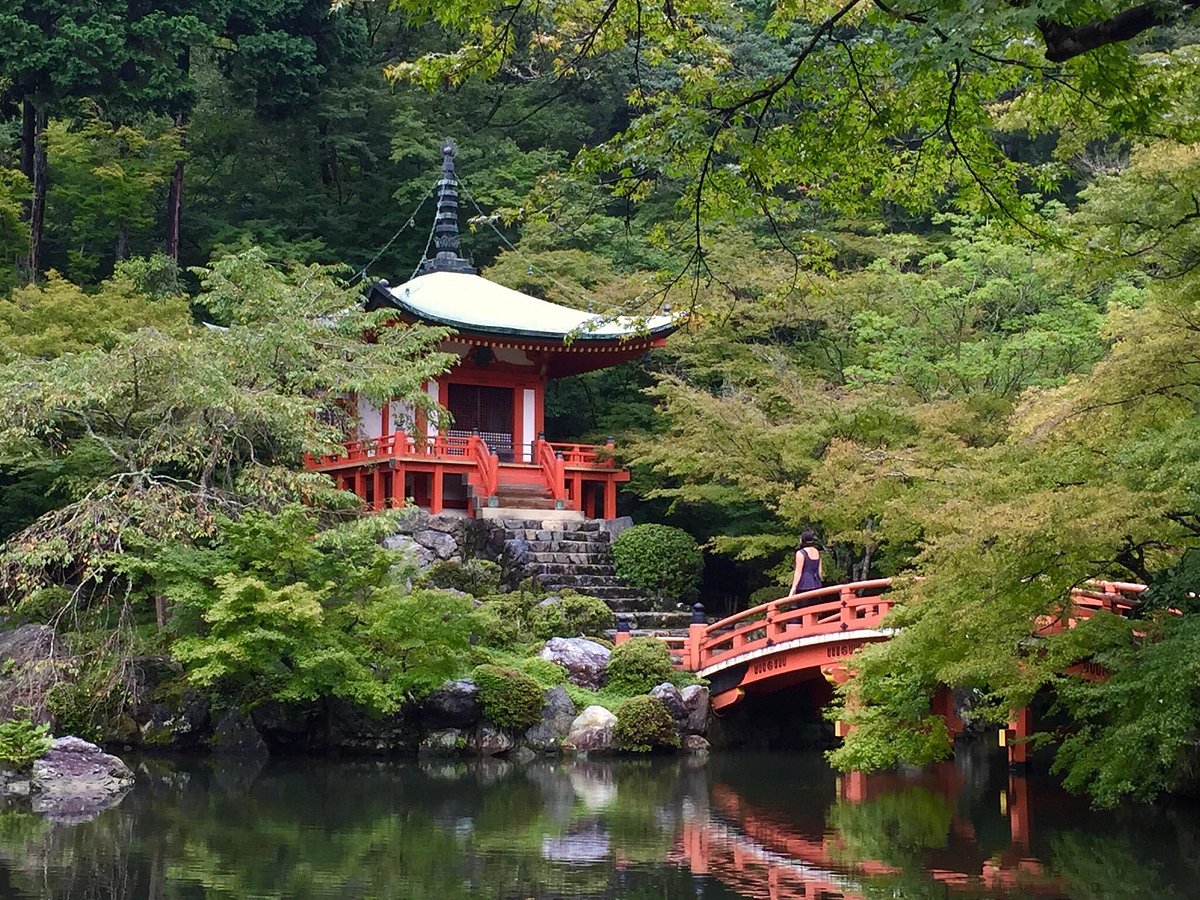
A UNESCO World Heritage site, Daigo-ji spreads across an entire mountainside.
Its five-story pagoda is Kyoto’s oldest surviving wooden building. But beyond that lies hiking trails, sub-temples, and quiet forest paths.
Why it’s quiet: It’s southeast of central Kyoto and requires extra effort to reach.
Admission: ~¥600 (sub-temples separate)
Adventurous travelers can hike to Upper Daigo for panoramic views.


Deep in Kyoto’s northern mountains, Kifune Shrine feels mystical.
Stone steps lined with red lanterns climb into the forest. In summer, restaurants serve meals over flowing river platforms.
Why it’s quiet: It requires a train ride and a long uphill walk.
Admission: Free
Best time: Evening lantern glow or snowy winter mornings


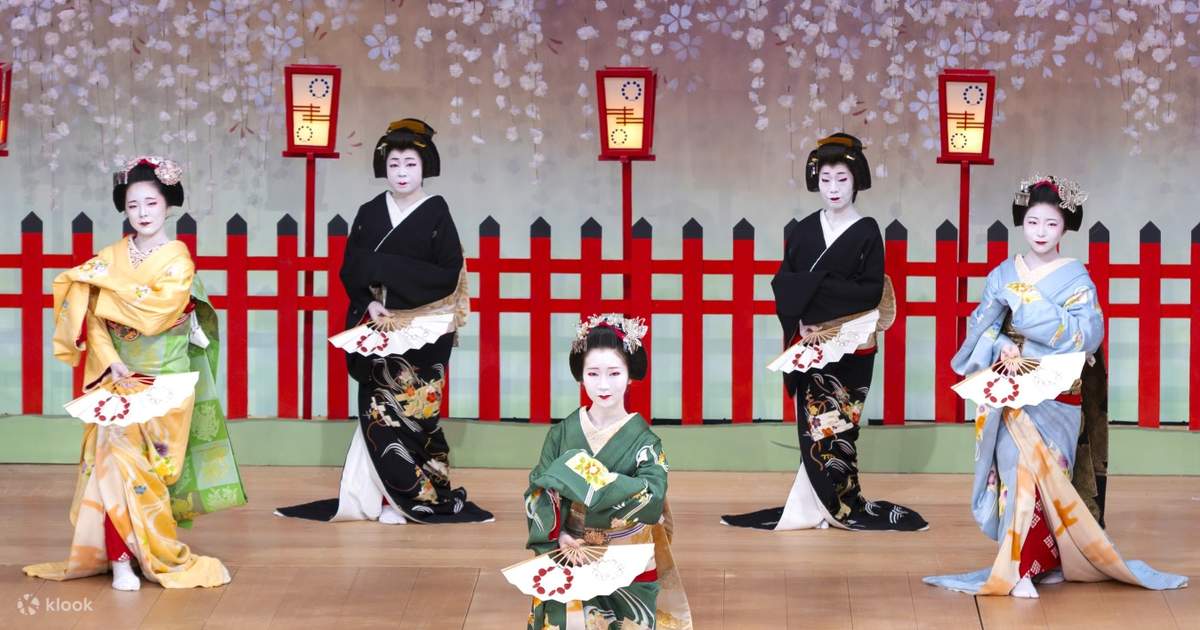
North of Kitano Tenmangu lies Kamishichiken, Kyoto’s oldest geisha district.
Narrow streets, wooden teahouses, soft lantern light — and far fewer tourists than Gion.
Best time: Early evening
Cost: Free to wander respectfully
You may quietly spot a maiko heading to an appointment. Observe from a distance.


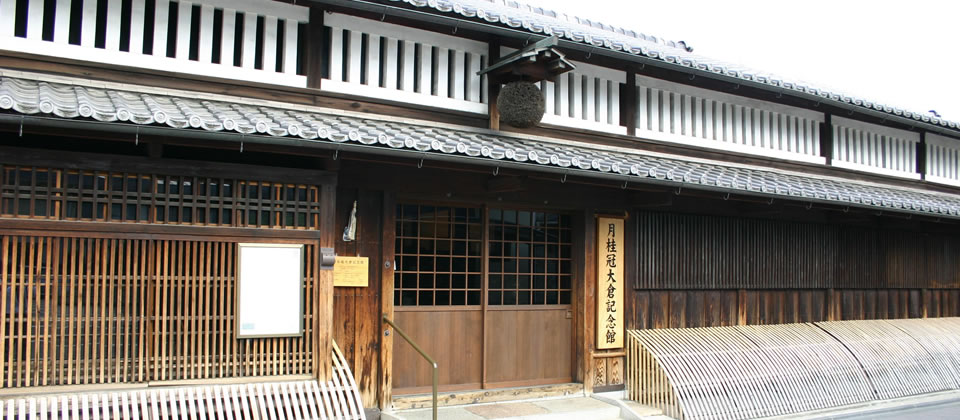
Just 15–20 minutes from Fushimi Inari — yet rarely visited — the Fushimi Sake District offers white-walled breweries and scenic canals.
Visit the Gekkeikan Okura Sake Museum for tastings and history.
Why it’s quiet: Most travelers stop at Fushimi Inari and leave.
Cost: Walking is free; tastings ~¥500
It’s Kyoto for your senses — not just your camera.
Arashiyama Deep Route: Otagi → Gio-ji → Adashino
Eastern Zen Route: Entoku-in → Kennin-ji → Honen-in
North & South Escape: Kifune Shrine + Fushimi Sake District
• Visit before 9:00 AM or after 4:00 PM
• Avoid peak cherry blossom & autumn foliage weekends
• Respect temple photography rules
• Keep voices low
• Carry your trash out
Kyoto rewards those who move gently.
The city’s most beautiful places aren’t always the most famous. They’re the quiet gardens, mossy paths, and lantern-lit streets where time slows down.
If you’re willing to walk just a little farther, Kyoto will belong to you — even if only for a moment.