
Okinawa: Japan’s Hawaii – A Tropical Escape for International Travelers (2026 Guide)
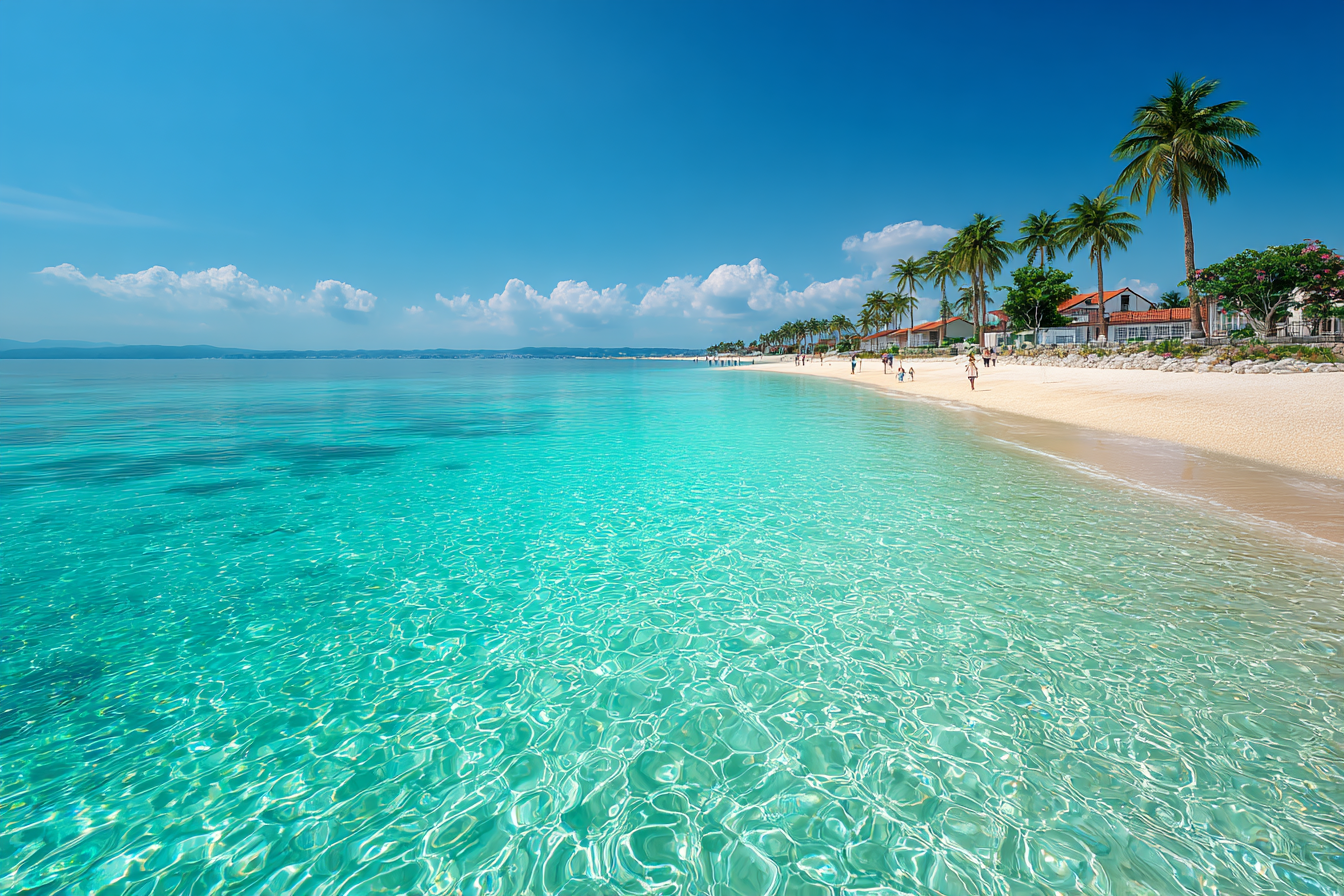
If you love Hawaii but want something uniquely Japanese, Okinawa might be your dream destination.
Often called “Japan’s Hawaii,” Okinawa offers turquoise water, white sand beaches, coral reefs, and a relaxed island vibe — but with Ryukyu history, Japanese hospitality, and subtle American influences mixed in. It feels tropical, yet culturally deep. Familiar, yet completely different from Tokyo or Kyoto.
For international visitors planning a Japan trip in 2026, Okinawa is where you slow down, breathe ocean air, and discover another side of the country.
Here’s everything you need to know.
Where Is Okinawa and Why Is It So Special?


Okinawa Prefecture is a chain of more than 160 islands stretching across the East China Sea. The main island, Okinawa Honto, is the gateway, while islands like Miyako, Ishigaki, and the Kerama Islands offer postcard-perfect scenery.
Why it feels like Hawaii:
• Subtropical climate (20–30°C / 68–86°F most of the year)
• Palm trees and crystal-clear water
• Coral reefs full of tropical fish
• Laid-back island atmosphere
Best time to visit:
March–May and October–November offer warm weather without peak summer humidity or typhoon season.
Unlike mainland Japan, winters are mild and pleasant — perfect for outdoor exploring without the cold.
Best Beaches in Okinawa
1. Furuzamami Beach
Just a short ferry ride from Naha, this beach is famous for snorkeling. Expect visibility so clear it feels unreal. Sea turtles and colorful coral are common sightings.
Less crowded than many Hawaiian beaches, it’s ideal for travelers who want peaceful beauty.
2. Yonaha Maehama Beach
Seven kilometers of soft white sand and shallow turquoise water. Often ranked among Asia’s best beaches. Rent a bicycle and ride along the coast — it’s pure island freedom.
3. Kabira Bay
Emerald water, black pearl farms, and glass-bottom boat tours. Swimming is restricted to protect the ecosystem, but the scenery alone is unforgettable.
Discover the Ryukyu Kingdom Heritage
Okinawa was once the independent Ryukyu Kingdom, and its culture blends Japanese, Chinese, and Southeast Asian influences.
Shurijo Castle
The red-tiled royal palace that symbolized the Ryukyu Kingdom. Walking through the grounds feels different from mainland Japanese castles — more tropical, more vibrant.
Entry is around ¥800 and absolutely worth it for history lovers.
Okinawa World
Experience Eisa dance performances, traditional crafts, and explore Gyokusendo Cave with dramatic stalactites. It’s a fun and educational stop for families.
Shikinaen Garden
A peaceful royal garden with ponds and bridges — perfect for a slow afternoon stroll.
For reflection, visit Peace Memorial Park, which honors those who lost their lives during the Battle of Okinawa in WWII.
What to Eat in Okinawa


Okinawan cuisine is different from sushi-heavy mainland food. It’s hearty, tropical, and often linked to longevity.
Must-try dishes:
Rafute – Braised pork belly, rich and tender
Goya Champuru – Bitter melon stir-fry with tofu and spam
Okinawa Soba – Thick noodles in pork-based broth
Taco Rice – A local fusion dish inspired by American influence
Umibudo – “Sea grapes” with a popping texture
For nightlife and street food, head to Kokusai Dori in Naha.
And don’t forget Awamori, Okinawa’s traditional rice spirit — strong but smooth.
Ocean Adventures and Attractions
Okinawa is an outdoor playground.
Snorkeling and Diving
The Kerama Islands are world-renowned for coral reefs and sea turtles. Beginner tours depart daily from Naha.
Okinawa Churaumi Aquarium
One of the world’s largest aquariums, famous for its giant whale shark tank. A must-visit for families.
Mangrove Kayaking
Explore quiet waterways surrounded by lush subtropical forests.
Surfing
Sunabe Seawall is popular with both locals and expats.
Nago Pineapple Park
Yes, it’s quirky — and yes, it’s fun. Ride a pineapple-shaped cart and sample pineapple treats.
Practical Travel Tips for 2026 Visitors
Getting There
Fly into Naha Airport (OKA). Direct flights from Tokyo, Osaka, and many Asian cities.
Transportation
Renting a car is highly recommended for flexibility. An international driving permit is required.
The Yui Rail monorail connects Naha Airport to central Naha.
Language
English is limited outside tourist areas. Translation apps help. Okinawans are friendly and welcoming.
Where to Stay
Luxury: Halekulani Okinawa, beach resorts in Onna
Mid-range: Resorts near American Village
Authentic: Guesthouses on Ishigaki or Miyako
Budget
¥10,000–20,000 per day ($65–130 USD), depending on activities.
Sun Safety
The sun is intense year-round. Wear sunscreen and stay hydrated.
Why Okinawa Feels Different From the Rest of Japan
Tokyo is fast. Kyoto is traditional. Osaka is energetic.
Okinawa is calm.
You wake up to ocean views, eat tropical food, watch the sunset over turquoise water, and feel the rhythm slow down.
It may be called “Japan’s Hawaii,” but once you arrive, you realize it’s something entirely its own.
If you want beaches, culture, adventure, and a refreshing contrast to Japan’s busy cities, Okinawa should be on your 2026 travel list.
Pack light clothes, bring sunscreen, and get ready to discover Japan’s most unexpected paradise.