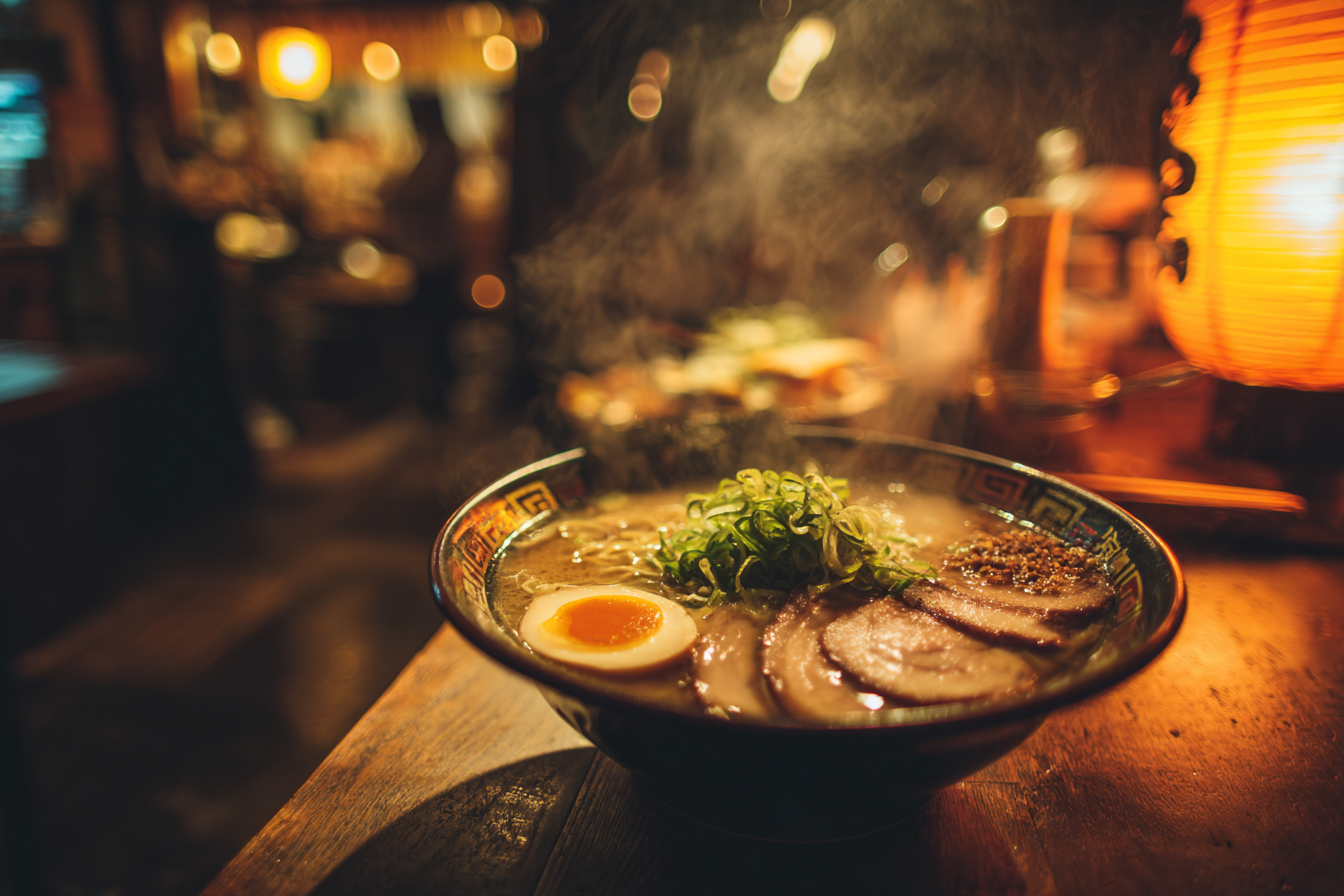
Tokyo Ramen Under $15: Real Bowls Foreign Travelers Actually Love
great-tirp
great-trip


Japan is famous for longevity. With an average life expectancy of around 84 years, the country has one of the healthiest aging populations in the world. While diet, healthcare, and lifestyle all play roles, one simple daily habit stands out across generations: Radio Taiso.
Every morning at 6:30 a.m., millions of people across Japan—especially seniors—perform this short exercise routine. In parks, schoolyards, and neighborhood squares, elderly participants gather together, stretching and moving to familiar piano music broadcast nationwide.
But what makes this 3-minute routine so powerful for staying healthy well into old age? Let’s explore how Radio Taiso supports physical fitness, mental well-being, and social connection for Japan’s seniors.
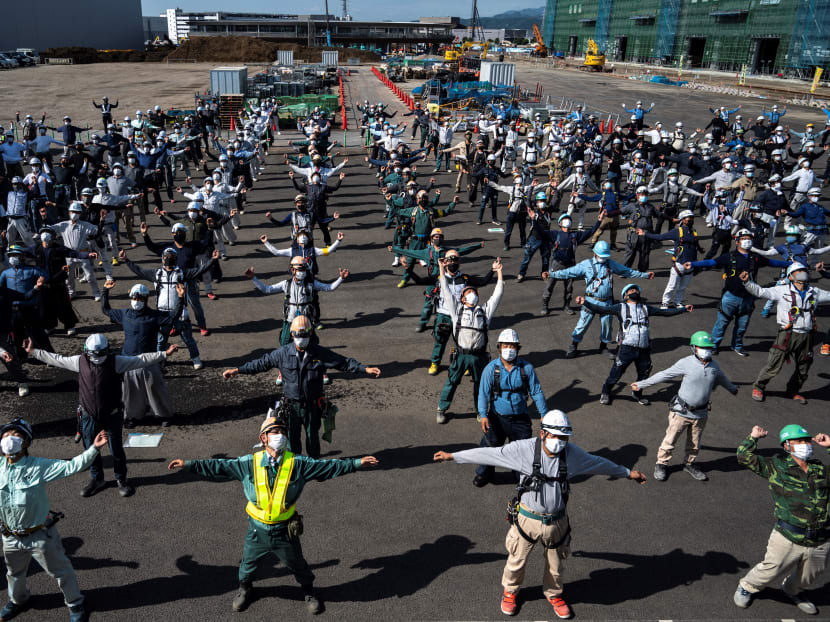
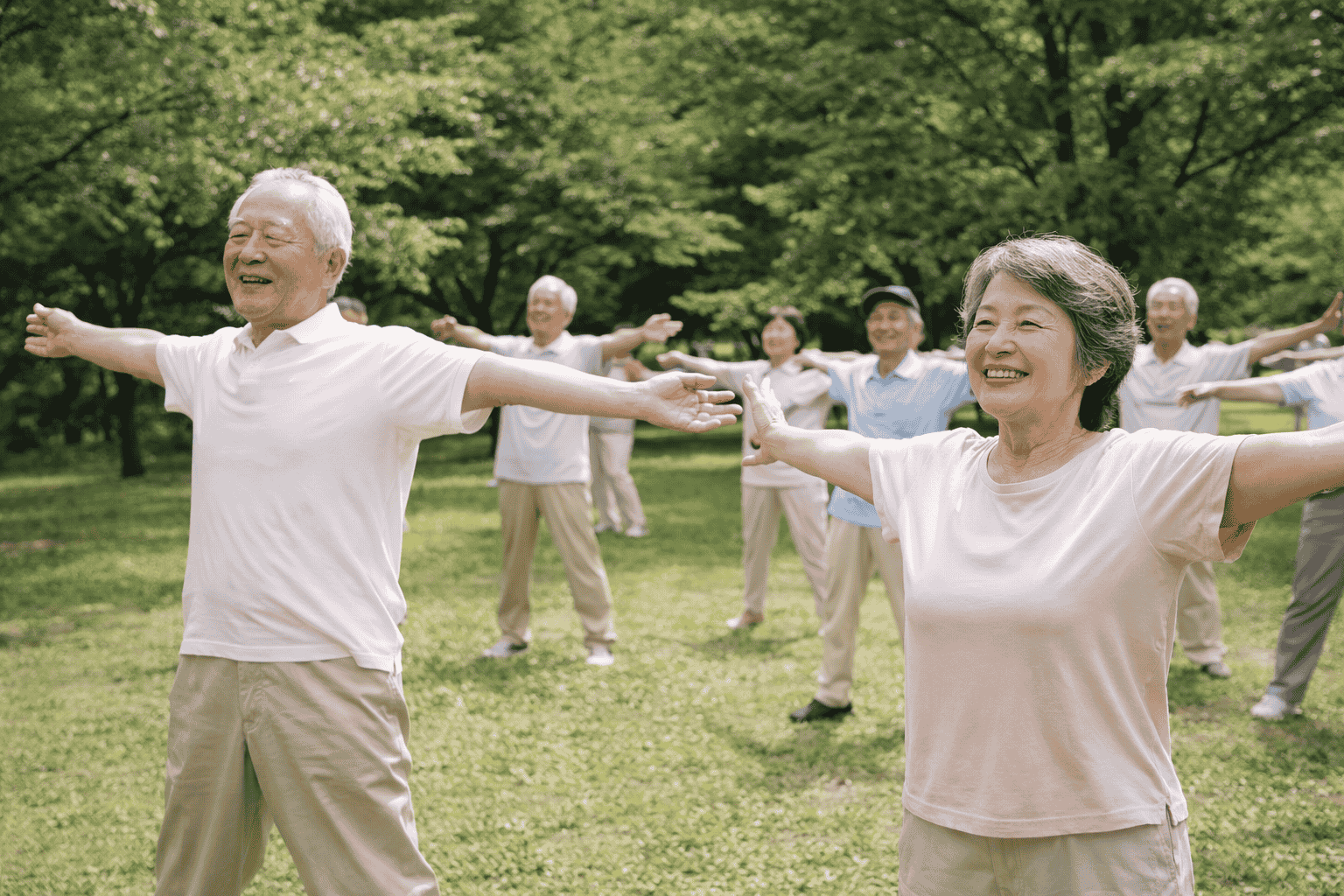
Radio Taiso (ラジオ体操), which literally means “radio exercises,” began in 1928. The program was introduced to celebrate the enthronement of Emperor Hirohito and was inspired by American radio calisthenics programs from the 1920s.
Originally designed to encourage nationwide fitness, the routine quickly spread throughout the country thanks to daily broadcasts on NHK radio.
After World War II, the program was temporarily suspended but was revived in 1951 with a focus on public health and well-being rather than national discipline.
Today it remains a cultural institution.
Some key facts:
For many seniors, Radio Taiso isn’t just exercise—it’s a daily ritual that gives structure to the day.


The standard routine lasts about three minutes and includes 13 simple movements performed to upbeat piano music.
These movements include:
There are two versions of the exercise:
Radio Taiso No.1
Radio Taiso No.2
One reason it’s so accessible is that no equipment is required. Participants simply need enough space to stand and move.
Even people with mobility limitations can participate by performing modified movements while sitting.


Although the routine is short, research shows it provides significant health benefits.
The stretching and bending movements help maintain joint mobility. This is essential for seniors who want to remain independent in daily activities like walking, reaching, or climbing stairs.
Radio Taiso improves coordination and core strength, which helps reduce the risk of falls—one of the most serious health risks for older adults.
Even though the routine is gentle, it raises the heart rate enough to improve blood circulation and stamina. This contributes to healthier blood vessels and reduces the risk of heart disease.
Regular participation helps preserve muscle mass and bone density, protecting against sarcopenia (age-related muscle loss) and osteoporosis.
Some studies even suggest that seniors who practice Radio Taiso regularly show physical health comparable to people 10–20 years younger.
One of the biggest strengths of Radio Taiso is that it’s rarely done alone.
Across Japan, seniors gather in parks each morning to exercise together. These gatherings create opportunities to:
In an aging society where loneliness can be a serious problem, this daily interaction plays a crucial role in mental well-being.
Researchers have also linked regular participation to:
Music and synchronized movement may also stimulate the brain, helping keep cognitive functions sharp.
The secret behind Radio Taiso’s success lies in its simplicity.
Unlike complicated fitness programs, it has several advantages:
Extremely short
The routine lasts only three minutes, making it easy to stick with every day.
Accessible to everyone
No gym membership, equipment, or training is required.
Adaptable
Movements can be adjusted for people with physical limitations.
Habit-forming
Because it happens at the same time every day, it naturally becomes part of a daily routine.
Community-based
The social aspect encourages people to keep coming back.
This combination makes Radio Taiso one of the most sustainable exercise habits in the world.
Radio Taiso may look simple, but its impact is profound.
By combining movement, music, and community, it helps millions of Japanese seniors remain:
As populations age worldwide, this small daily routine offers a powerful lesson: staying healthy doesn’t always require expensive gyms or complicated workouts.
Sometimes, three minutes of movement each morning can make a lifelong difference.
So if you’re curious, try it yourself—search for a Radio Taiso video online, follow the movements, and experience one of Japan’s most enduring health traditions.