
Experience a Traditional Ryokan: What to Expect
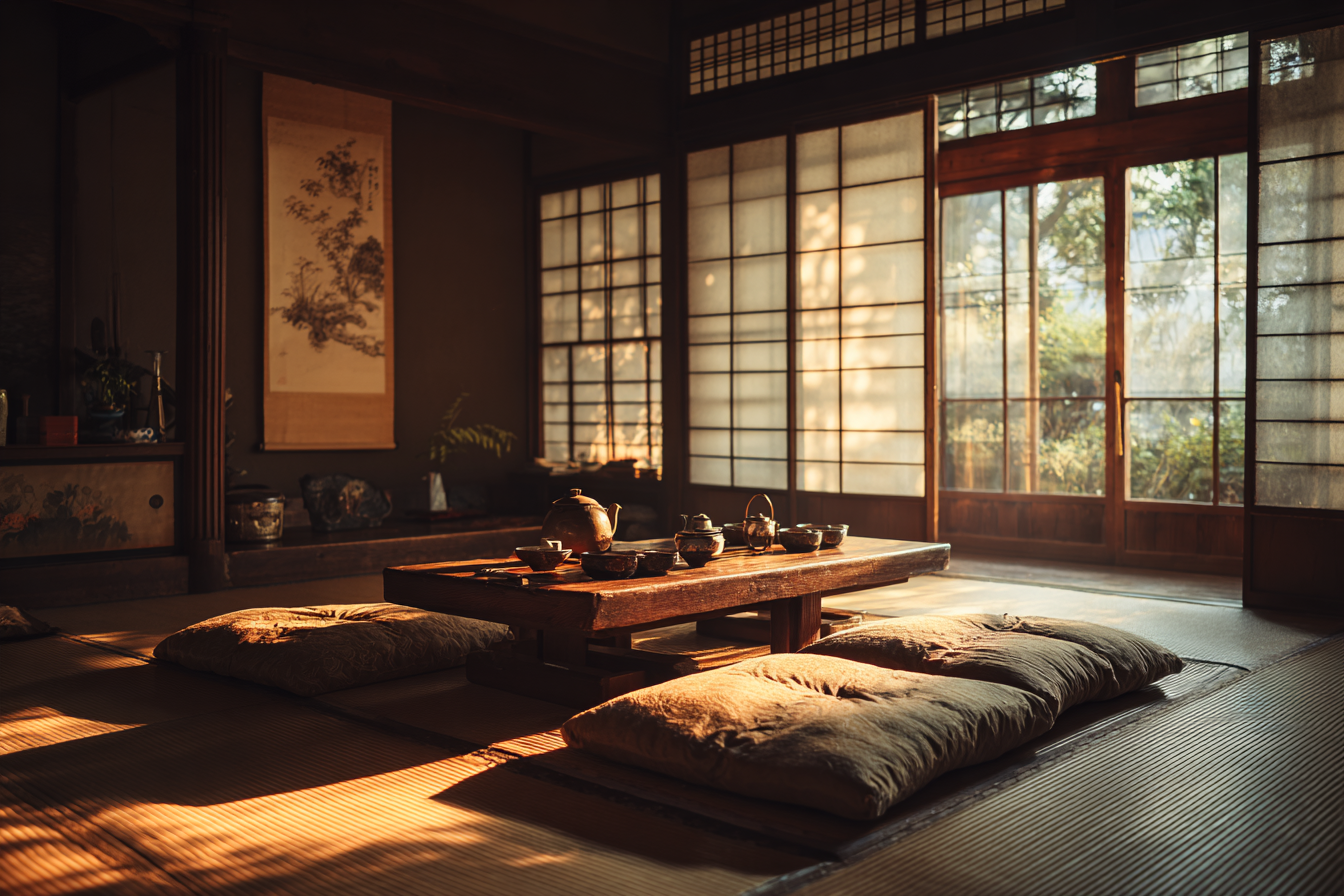
Staying at a ryokan is not just accommodation — it’s a cultural immersion into the heart of Japan.
Unlike Western hotels, a traditional ryokan centers on tatami rooms, futon bedding, seasonal kaiseki cuisine, communal baths, and omotenashi (Japanese hospitality). For many travelers, it becomes the most memorable night of their entire Japan trip.
If it’s your first time, the experience can feel unfamiliar — but that’s part of the magic.
Here’s exactly what to expect, what’s truly traditional (and what’s modernized), and how to enjoy your stay with confidence.
1. Arrival & Check-In: The First Taste of Omotenashi
When you arrive — typically between 3:00–6:00 PM — your experience begins at the genkan (entrance area).
Shoes come off immediately.
At most traditional ryokan, staff greet you personally. In higher-end properties, luggage is carried to your room and you’re escorted inside. Mid-range or modern ryokan may have a reception desk more similar to a boutique hotel — both styles are authentic.
If you booked a 1-night, 2-meals plan (ippaku-nishoku) — the standard ryokan experience — you should arrive before 5:00–6:00 PM. Dinner preparation is scheduled precisely, and very late arrivals may mean you forfeit dinner.
Often, you’ll be served green tea and a small seasonal sweet while staff explain:
- Bath hours
- Dinner time
- Wi-Fi info
- Yukata instructions
English support is increasingly common, especially in Kyoto, Hakone, and major onsen towns.
Tip: If you’ll be late, always call ahead. Ryokan are meal-based stays — timing matters.
2. Your Room: Minimalism, Tranquility, and Tatami
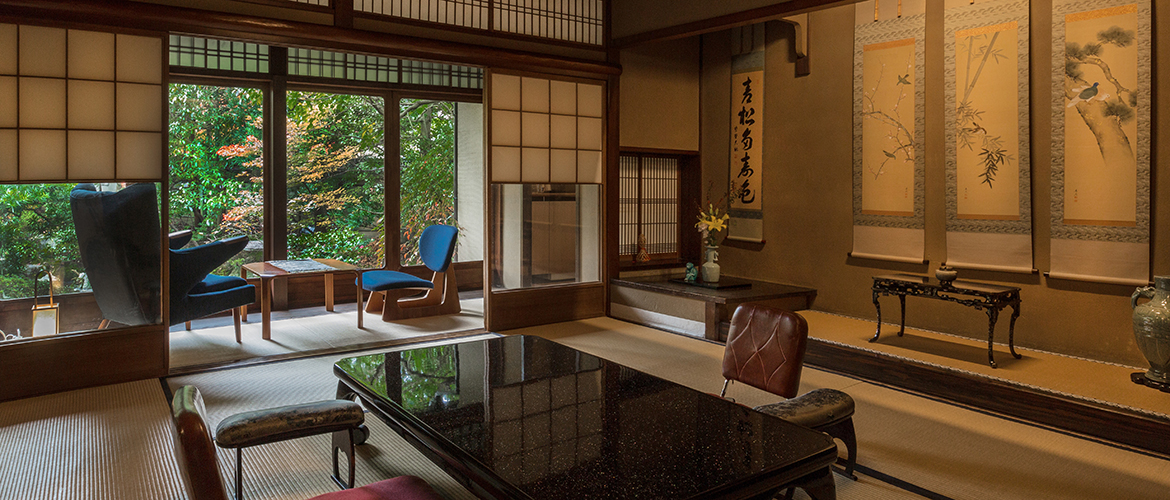


Your room will likely feature:
- Tatami flooring (woven straw mats)
- Shoji paper sliding doors
- Fusuma sliding partitions
- A low wooden table with floor cushions
- A tokonoma alcove with seasonal flowers or scroll art
Most traditional ryokan do not have Western beds. Instead, futon bedding is laid out on the tatami — usually by staff during dinner service. In more casual ryokan, futons may already be prepared.
Rooms often include:
- Air conditioning / heating
- TV
- Mini fridge
- Safe
- Tea set
Luxury ryokan may offer:
- Private open-air baths (rotenburo)
- Garden views
- Mountain or ocean scenery
Expect a calm, uncluttered space designed for relaxation.
3. Wearing Yukata: How to Do It Properly


Most ryokan provide a cotton yukata robe for guests — free to use during your stay.
How to wear it correctly:
- Wrap left side over right (important — right over left is used for funerals).
- Tie the obi belt around your waist.
- Women typically tie slightly higher; men slightly lower.
You may wear yukata:
- In your room
- To the bath
- To dinner (in many ryokan)
- Around the property
Some upscale ryokan may request slightly more formal attire for dining, but most welcome yukata at meals.
You’ll also find geta sandals near the entrance for outdoor walking.
It’s one of the most enjoyable parts of the stay — embracing slow, traditional living.
4. The Onsen or Bath Experience


The bath is the highlight of most ryokan stays.
Not all ryokan have natural hot spring water (onsen), but many do — especially in Hakone, Kusatsu, Beppu, and other hot spring towns. In cities like Kyoto, baths may use heated mineral water instead of natural spring water.
Bath types may include:
- Large gender-separated baths
- Open-air baths (rotenburo)
- Private reservable family baths
- In-room private baths (luxury level)
Proper Bathing Steps:
- Remove clothing completely (swimwear is not allowed).
- Bring only the small towel provided in your room.
- Wash thoroughly at the shower station before entering the bath.
- Do not put soap in the bath water.
- Do not let your towel touch the bath water.
- Soak quietly.
Unlike some online claims, you should lightly towel-dry before returning to the changing area. You don’t need to leave completely wet — that’s a common misunderstanding.
Tattoos:
Policies vary. Many ryokan allow small tattoos if covered with a patch. Private baths are the safest option if unsure.
Most guests bathe:
- Before dinner
- After dinner
- Early morning
It’s normal to bathe multiple times.
5. Kaiseki Dinner: The Culinary Centerpiece
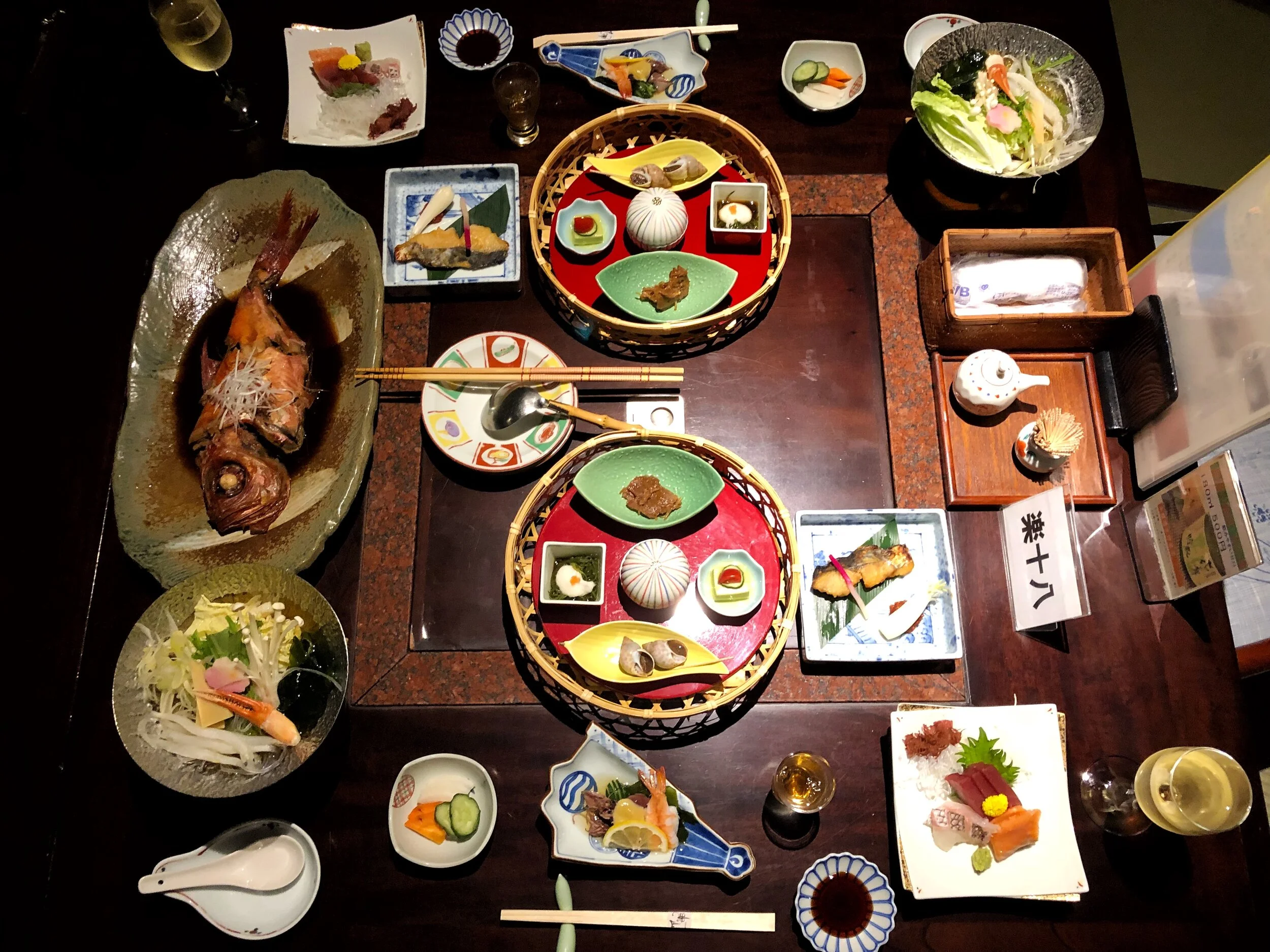
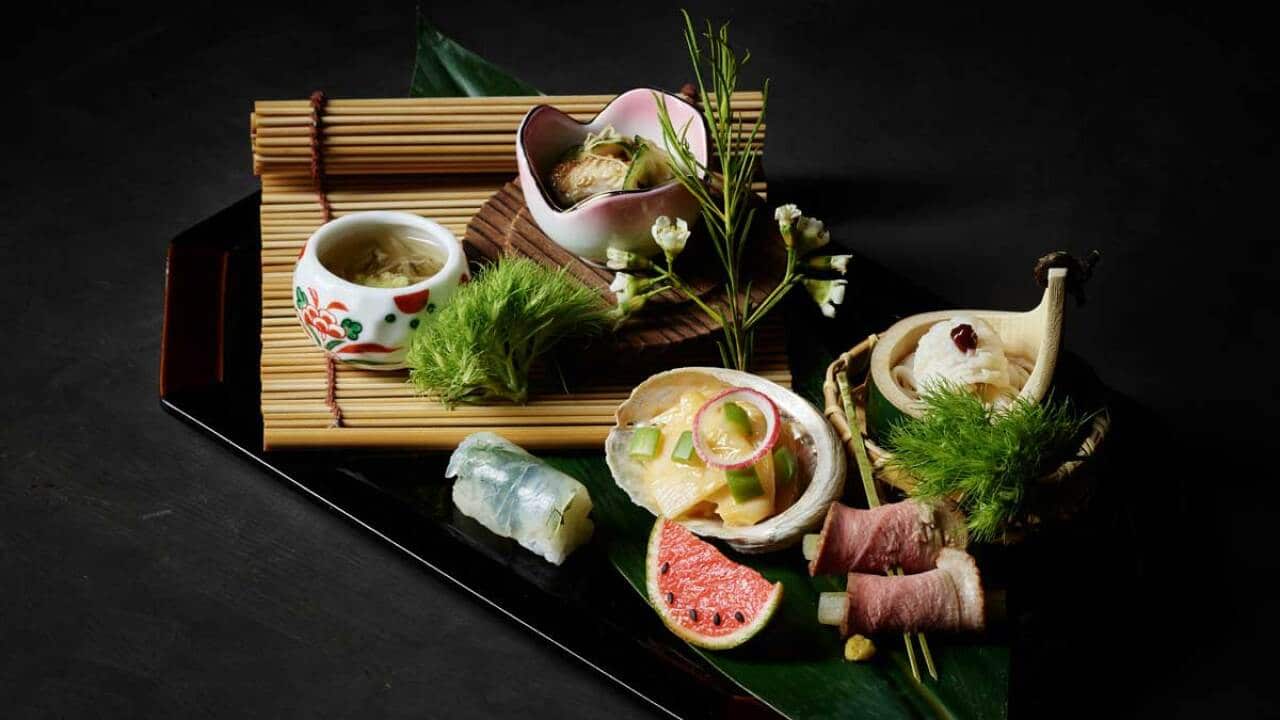

Dinner at a ryokan is often a multi-course kaiseki meal — seasonal, artistic, and deeply local.
Expect:
- 8–15 small dishes
- Local seafood, vegetables, tofu, wagyu (depending on region)
- Beautiful ceramics
- Balanced colors and textures
Dinner usually lasts 90–120 minutes.
It may be served:
- In your room
- In a private dining room
- In a shared dining hall (more common today)
Dietary restrictions should be communicated well in advance. Vegetarian accommodations are possible at many ryokan, but strict vegan requests may be challenging.
Pairing with local sake is highly recommended.
6. Evening Calm & Futon Sleep
After dinner, many guests:
- Soak in the bath again
- Take a quiet garden walk
- Relax in yukata
If not already prepared, staff will lay out your futon bedding while you’re dining.
Futons are surprisingly comfortable. Traditional ryokan are typically quiet by 10–11 PM.
Walls may be thinner than modern hotels — keeping noise low is appreciated.
7. Japanese Breakfast & Checkout


Breakfast is usually served between 7:00–8:30 AM.
Expect a traditional Japanese set including:
- Steamed rice
- Miso soup
- Grilled fish
- Pickles
- Egg dish
- Seaweed
- Green tea
It’s lighter than Western breakfast but filling.
Checkout is typically around 10:00 AM.
Tipping is not required in Japan. Express gratitude verbally instead:
“Arigatou gozaimashita.”
How Much Does a Ryokan Stay Cost?
In 2026, average pricing:
- Budget ryokan (no dinner): ¥8,000–15,000 per person
- Standard 1-night, 2-meals: ¥15,000–40,000 per person
- Luxury ryokan with private bath: ¥50,000–100,000+ per person
Cherry blossom and autumn foliage seasons require booking 3–6 months in advance.
Where to Experience a Ryokan
- Kyoto – Cultural elegance and historic atmosphere
- Hakone – Easy Tokyo access + onsen views of Mt. Fuji
- Kusatsu – Strong sulfuric hot springs
- Beppu – Famous multi-bath hot spring town
- Takayama – Traditional town setting
Final Advice for First-Time Guests
Do:
- Arrive on time
- Follow bath etiquette
- Wear yukata proudly
- Embrace the slow pace
Don’t:
- Wear shoes on tatami
- Skip washing before bathing
- Be loud late at night
- Worry too much — staff guide you gently
A ryokan stay is not about luxury in the Western sense.
It’s about slowing down.
It’s about seasons, silence, steam rising from hot water, and dishes arranged like art.
If you allow yourself to move at its pace, even one night at a ryokan can become the most unforgettable part of your Japan journey.
And once you’ve experienced it, you’ll understand why travelers say:
“Hotels are places to sleep.
Ryokan are places to feel Japan.”