
Sake Beginner Guide 2026: What First-Time Visitors to Japan Need to Know Before Their First Sip
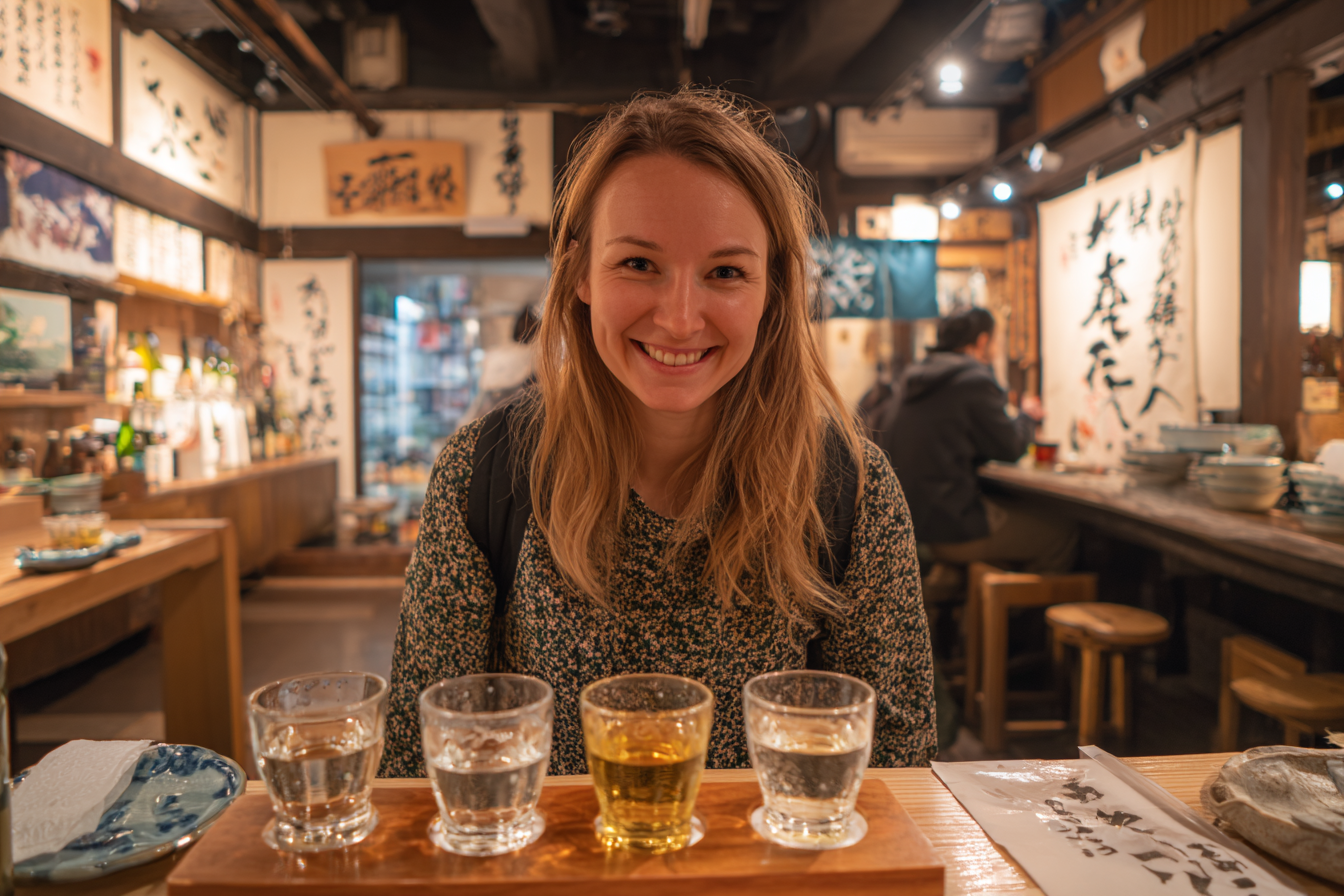


If you’re visiting Japan for the first time, there’s one cultural experience you shouldn’t miss: sake.
Not “rice wine.” Not a shot. Not just something warm in a tiny cup.
Real Japanese sake — properly called nihonshu (日本酒) — is a refined, deeply crafted beverage made from rice, water, koji mold, and yeast. With alcohol typically between 13–17%, it’s smoother than spirits, richer than beer, and far more complex than most travelers expect.
In December 2024, traditional Japanese sake brewing was officially registered as UNESCO Intangible Cultural Heritage. There has never been a better time to explore it.
This guide is designed for complete beginners. No Japanese knowledge required. Just curiosity.
What Is Sake, Really?
Sake is a brewed beverage, more similar to beer than wine in production. Rice is polished, fermented with koji mold, and carefully brewed to create layers of aroma and texture.
The key to understanding sake isn’t memorizing vocabulary. It’s knowing what to order first.
The 4 Main Types of Sake (Start Here)
When you open a menu, you’ll often see these names. Here’s what they mean in simple terms.
Junmai
- Rich, full-bodied
- Strong rice flavor
- Great at room temperature or warm
Beginner friendliness: ★★★★☆
Junmai Ginjo
- Light, fruity, floral
- Smooth and elegant
- Best served chilled
Beginner friendliness: ★★★★★
Junmai Daiginjo
- Highly polished rice (premium)
- Extremely aromatic
- Silky texture
Beginner friendliness: ★★★★★
Ginjo / Daiginjo (non-Junmai)
- Slightly lighter body
- Often more delicate
- Sometimes small amount of alcohol added for aroma lift
Beginner friendliness: ★★★★☆
If you’re unsure what to choose, ask for Junmai Ginjo. It’s fragrant, easy to drink, and rarely overwhelming.
How to Read a Sake Label in 30 Seconds
Don’t panic at the Japanese characters. Look for these:
Rice Polishing Ratio (Seimai Buai)
Lower number = more premium.
Example: 50% means half the rice grain was polished away.
SMV (Sake Meter Value / Nihonshudo)
Positive (+) = drier
Negative (–) = sweeter
Beginners often enjoy –1 to +3.
Junmai = Pure rice only
Nama = Unpasteurized (fresh, lively)
Nigori = Cloudy, creamy, slightly sweet
If you see “23% polishing,” that’s ultra-premium territory.
How to Drink Sake Like a Local (Without Stress)
You don’t need to memorize etiquette — just follow these basics:
- Never pour your own drink. Pour for others.
- Hold the bottle with both hands when pouring.
- Hold your cup (ochoko) with both hands when receiving.
- Say “Kanpai!” before drinking.
- Sip slowly. Sake is for savoring.
In casual izakaya, the rules are relaxed. In traditional settings, following these simple gestures shows respect.
Temperature Changes Everything
One of sake’s unique features is how dramatically flavor changes with temperature.
Chilled (5–15°C)
Best for Ginjo and Daiginjo. Crisp and aromatic.
Room Temperature
Most versatile and balanced.
Warm (40–55°C)
Excellent for Junmai styles. Richer, slightly sweeter impression.
If you’re unsure, ask the staff for their recommendation. Japanese servers take pride in guiding you.
Where Beginners Should Try Sake in 2026
Tokyo
- Nihonshu Stand – Easy standing tastings near Tokyo Station
- Signor Sake – English-friendly tasting classes
Kyoto
- Fushimi Sake District – Walkable brewery neighborhood
- Gekkeikan Okura Sake Museum – Historic brewery with tastings
Osaka / Kobe (Hyogo Prefecture)
- Nada District – Japan’s largest sake-producing region
- Sake Republic – 18-sake tasting flights
Beginner-Friendly Brands to Try First
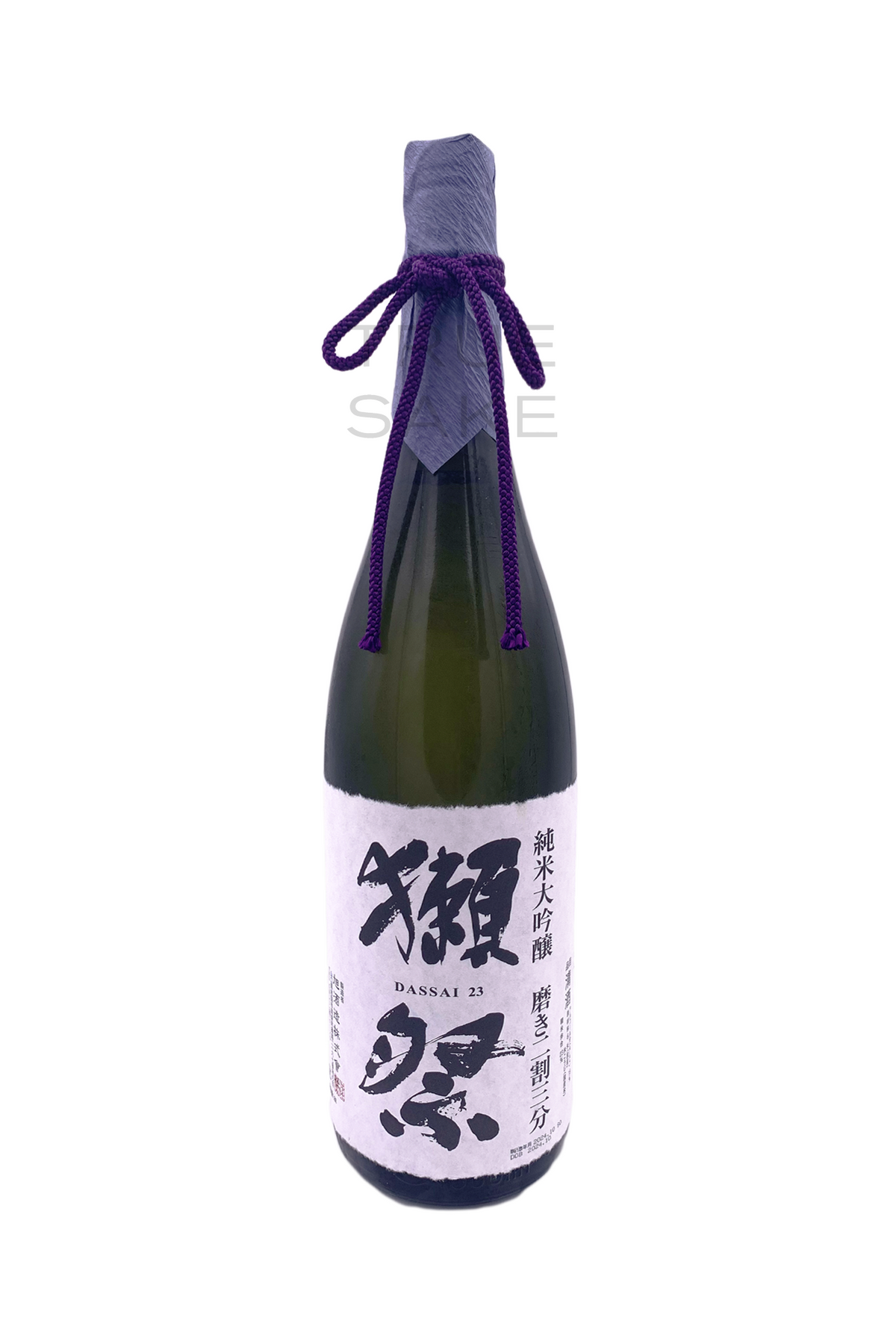
- Dassai 45 or 23 – Fruity, smooth, internationally loved
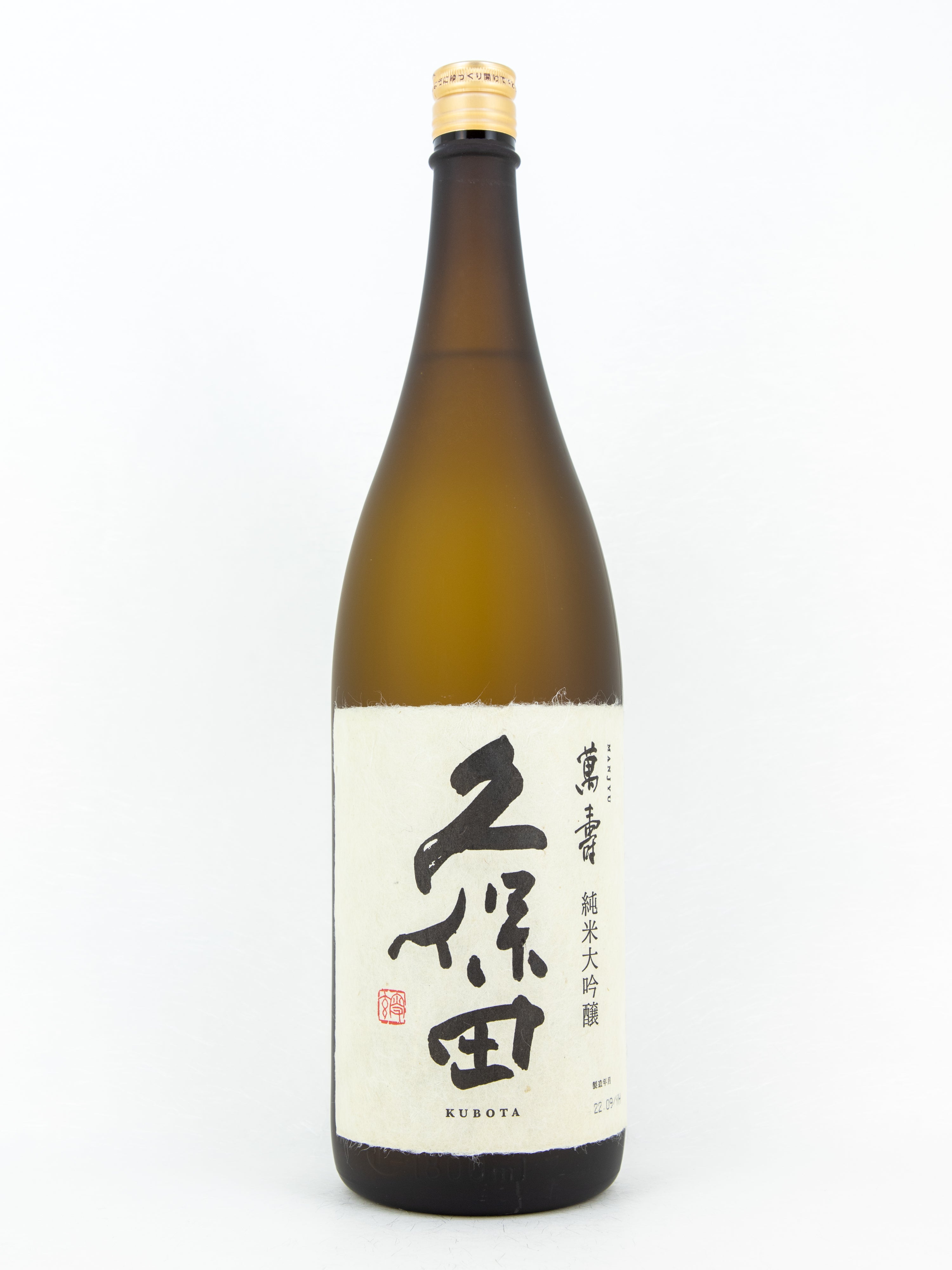
- Kubota (Manju / Senju) – Clean and elegant
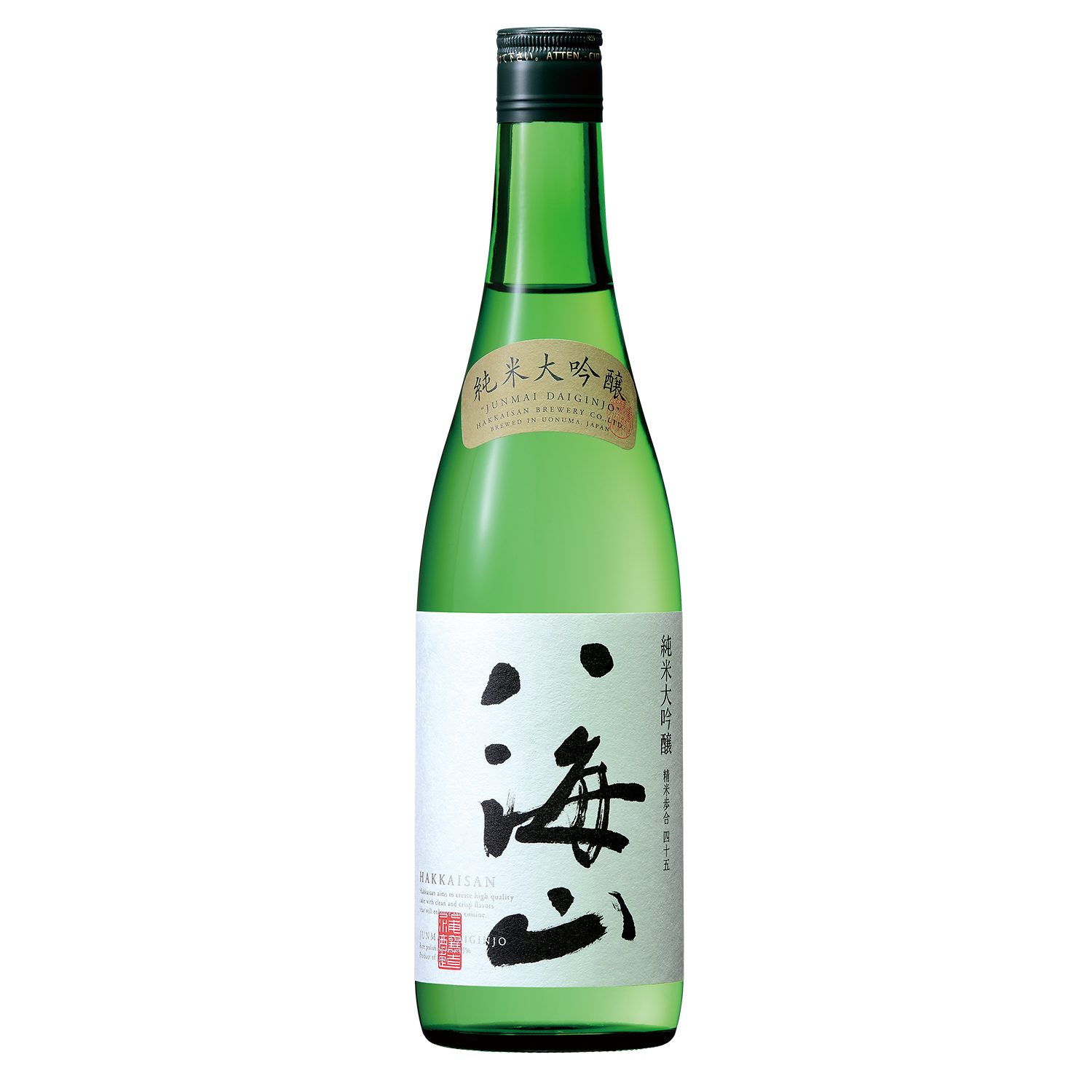
- Hakkaisan – Crisp and refreshing
- Gekkeikan – Reliable and widely available
- Jozen Mizunogotoshi – Aromatic and food-friendly
If you’re overwhelmed, simply ask:
“Do you have a fruity Junmai Ginjo?”
What to Eat With Sake
Perfect pairings:
- Sushi & sashimi
- Tempura
- Grilled fish
- Yakitori
- Cheese
- Dark chocolate
Avoid very spicy or heavy garlic dishes for your first tasting.
Budget Tips
Convenience stores sell decent entry-level sake for ¥300–800.
Department stores and specialty sake shops offer premium selections.
If flying home with a bottle, check your country’s customs alcohol limits.
Your First Sake Adventure Checklist
□ Try at least three styles side-by-side
□ Visit a brewery or sake bar
□ Practice pouring etiquette
□ Bring a bottle home
Sake isn’t just alcohol.
It’s centuries of craftsmanship, regional identity, and quiet artistry in a glass.
So — will you start with fruity Ginjo or rich Junmai?
Next guide coming soon: “Best Sake Experiences in Tokyo & Kyoto 2026.”