Top 5 Shopping Spots in Japan Popular Among Foreign Tourists
great-tirp
great-trip

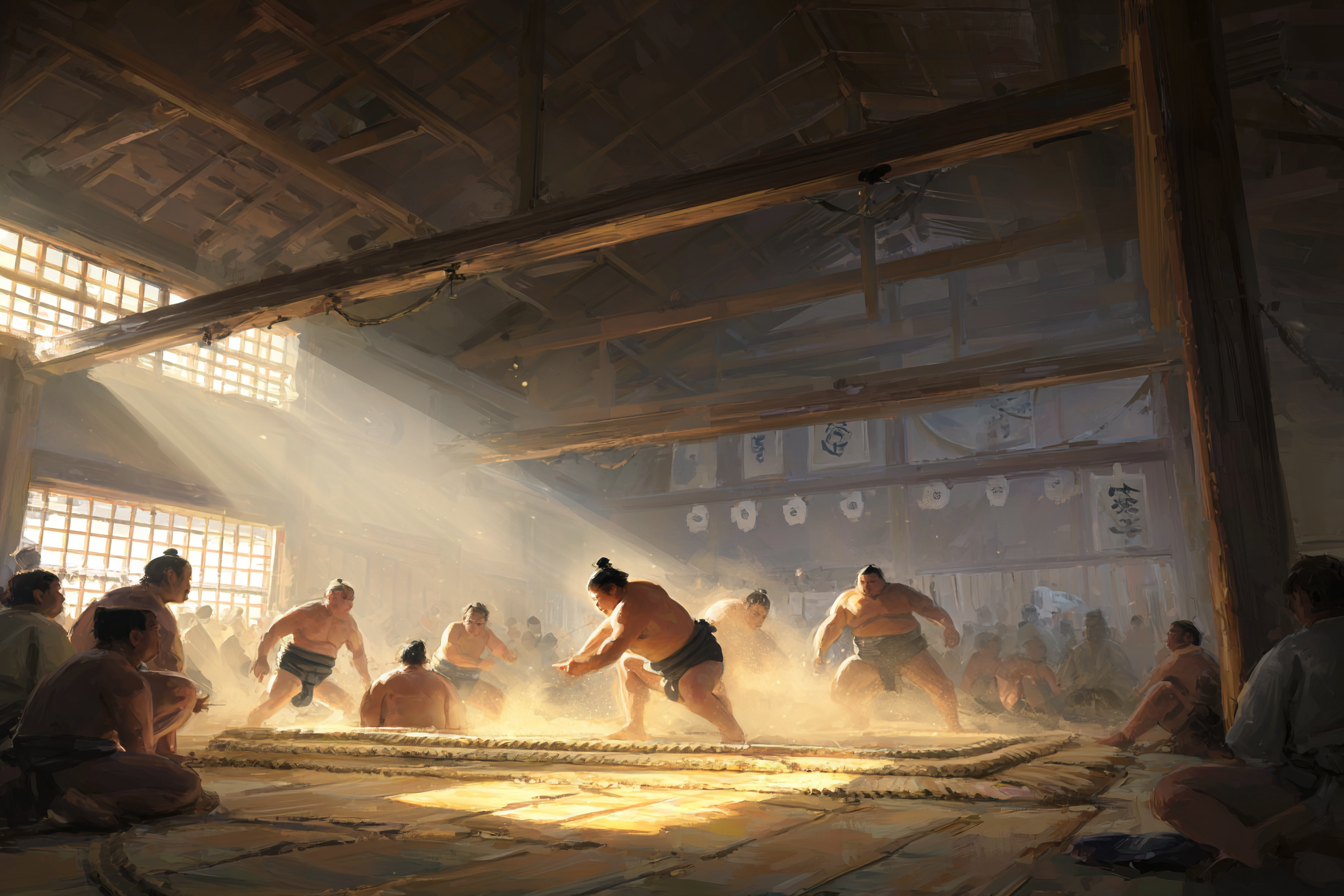
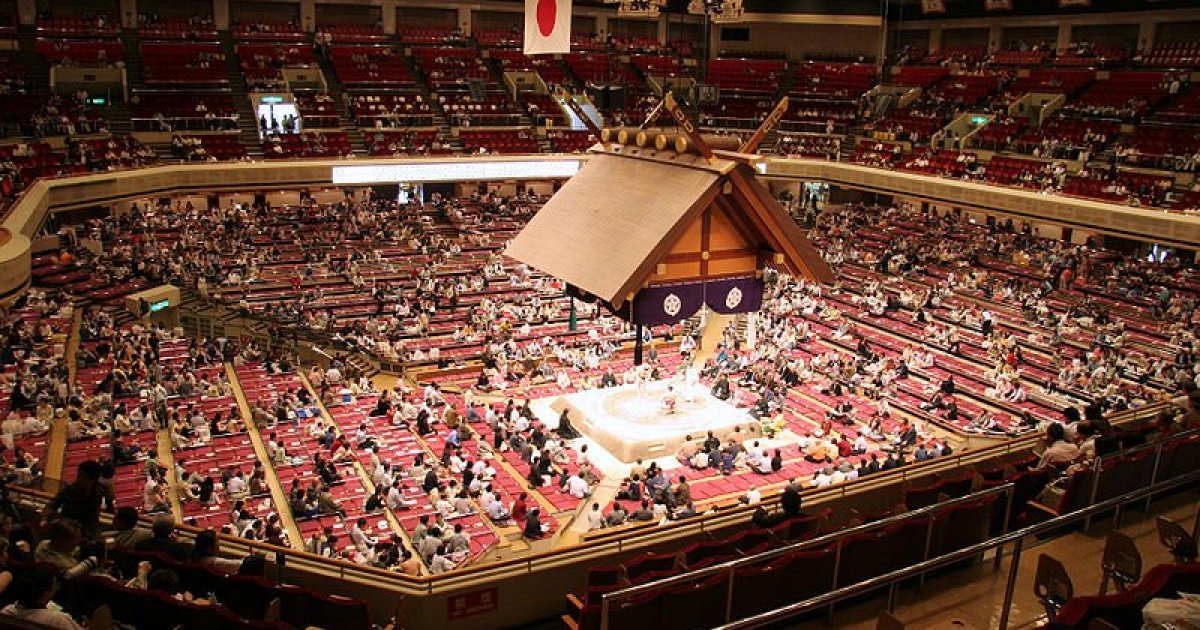
Most tourists only see sumo during the big tournaments.
But if you want something more authentic — quieter, closer, and surprisingly powerful — you should watch morning practice at a real sumo stable.
It’s raw.
It’s intense.
And it feels nothing like a stadium show.
Here’s exactly how Singapore visitors can experience sumo training the right way.
Professional wrestlers train inside small training houses called sumo stables.
In Japanese, they’re called:
Sumo stable
Training usually happens early in the morning, around 6:30am–10:00am.
This is not a performance.
It’s real practice:
You are watching athletes at work.
The best area in Tokyo is:

4
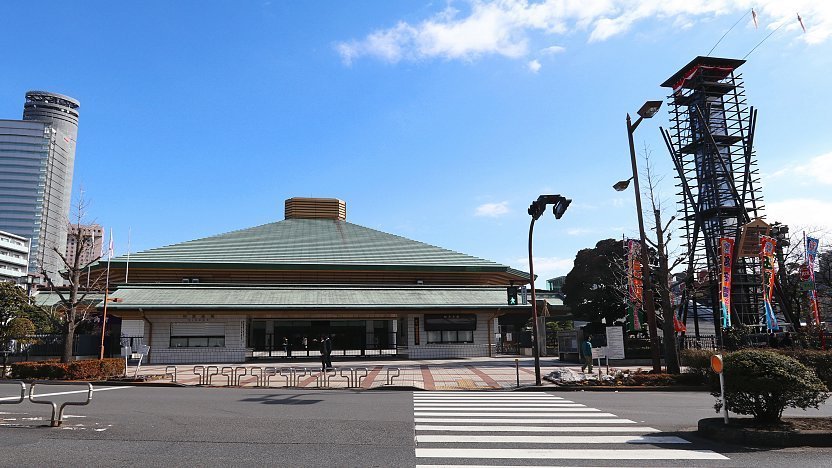
Ryogoku — Tokyo’s sumo district.
Nearby you’ll also find:
Ryogoku Kokugikan
Many stables are located around this area.
No.
This is important.
You cannot simply show up and enter.
Morning practice is private unless:
Many stables stopped casual visits after COVID, so booking through an official experience platform is safest.
If your session starts at 7:30am:
Arrive 10–15 minutes early.
Do not be late.
Do not enter in the middle of training.
Morning practice typically lasts:
1–2 hours.
You can leave quietly when your guide allows.
Expect:
It is not glamorous.
It’s discipline and repetition.
And that’s what makes it powerful.
Watching like a local means respecting the space.
Do:
Don’t:
This is their workplace — not a theme park.
If you are interested in Japanese culture beyond Instagram photos — yes.
Compared to watching a tournament:
For many Singapore visitors, it becomes one of the most memorable experiences in Tokyo.
Skip it if:
This experience is calm but serious.
After practice, explore:
You’ll be done before 11am — perfect start to your Tokyo day.
Sumo morning practice is not loud, polished, or touristy.
It’s disciplined. Focused. Authentic.
If you want to see a side of Japan most visitors never experience — this is it.
And when you sit quietly in a wooden training hall at 8am, hearing nothing but the sound of bodies hitting clay…
You’ll understand why sumo is more than a sport.
It’s tradition in motion.