
The Ultimate Guide to Omakase Sushi for Beginners (2026 Edition)
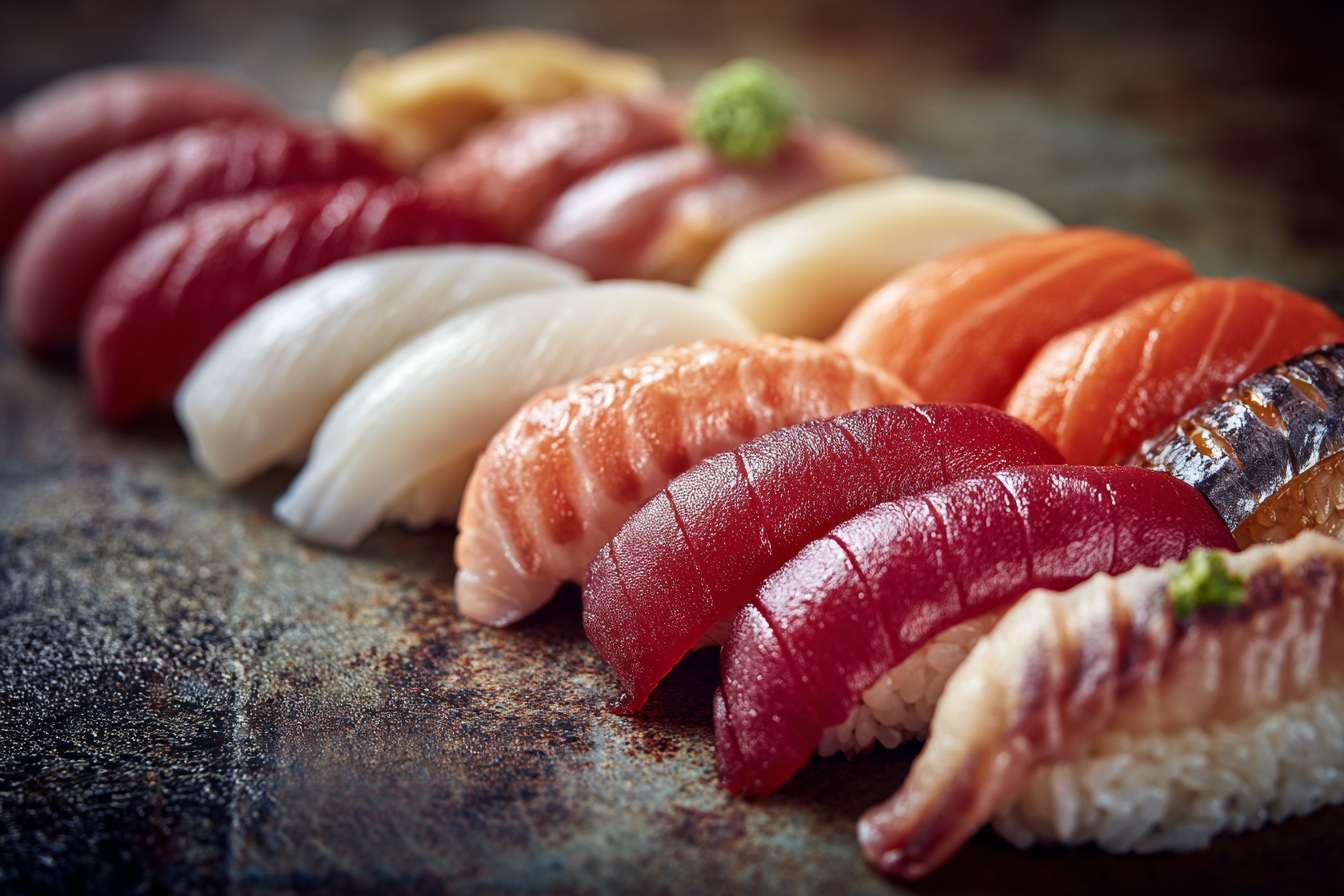
You sit down at a quiet wooden counter.
There’s no menu.
No ordering.
No scrolling.
The chef looks up, smiles gently, and begins.
That’s omakase.
In Japanese, omakase (お任せ) means:
“I’ll leave it up to you.”
But in reality, it means something much deeper — trust, seasonality, craftsmanship, and one of the most immersive dining experiences in Japan.
If you’re visiting Japan for the first time or trying high-end sushi for the first time, this guide will walk you through everything you need to know — history, pricing, etiquette, booking tips, and beginner-friendly recommendations.
What Is Omakase? (And Where Did It Come From?)
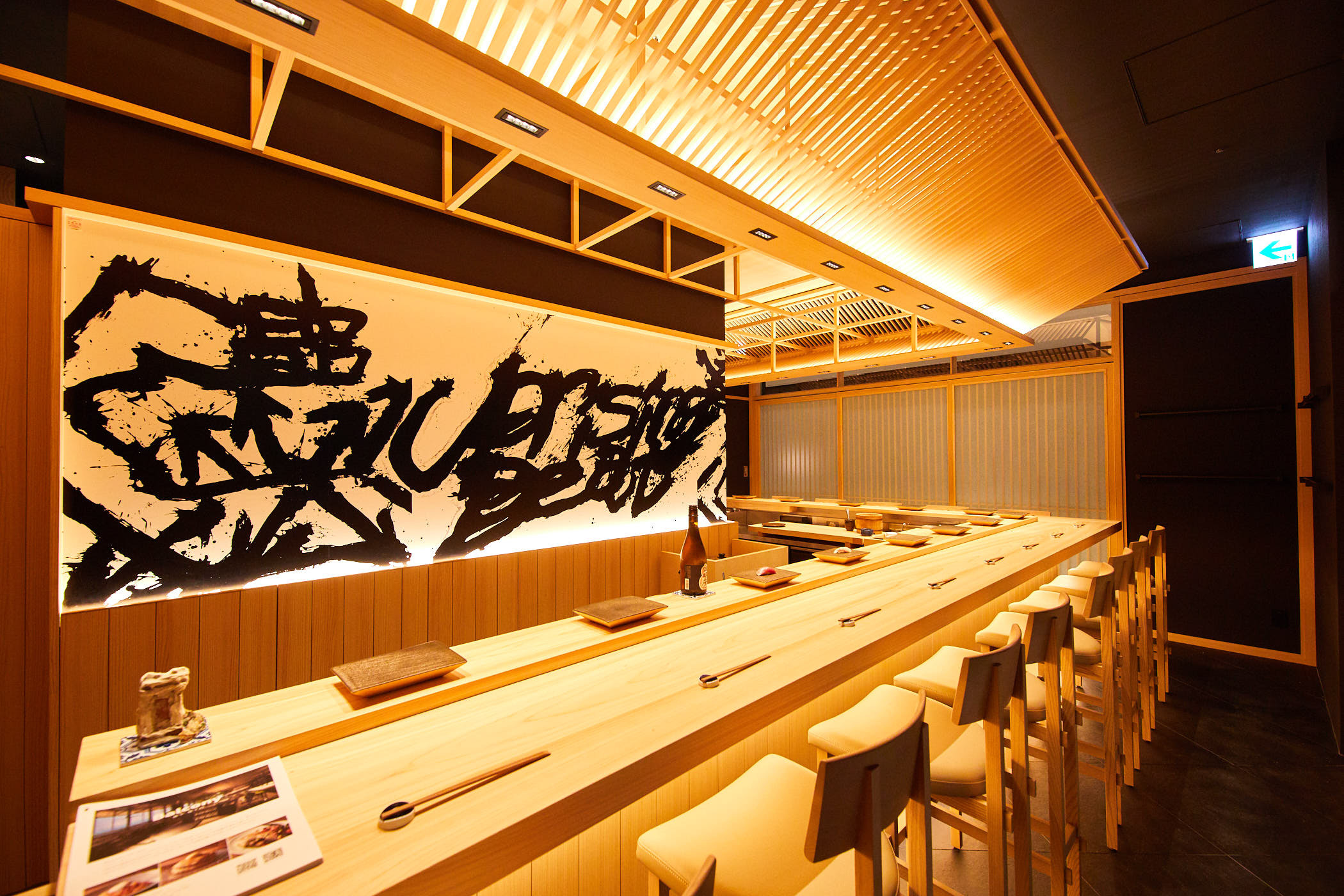
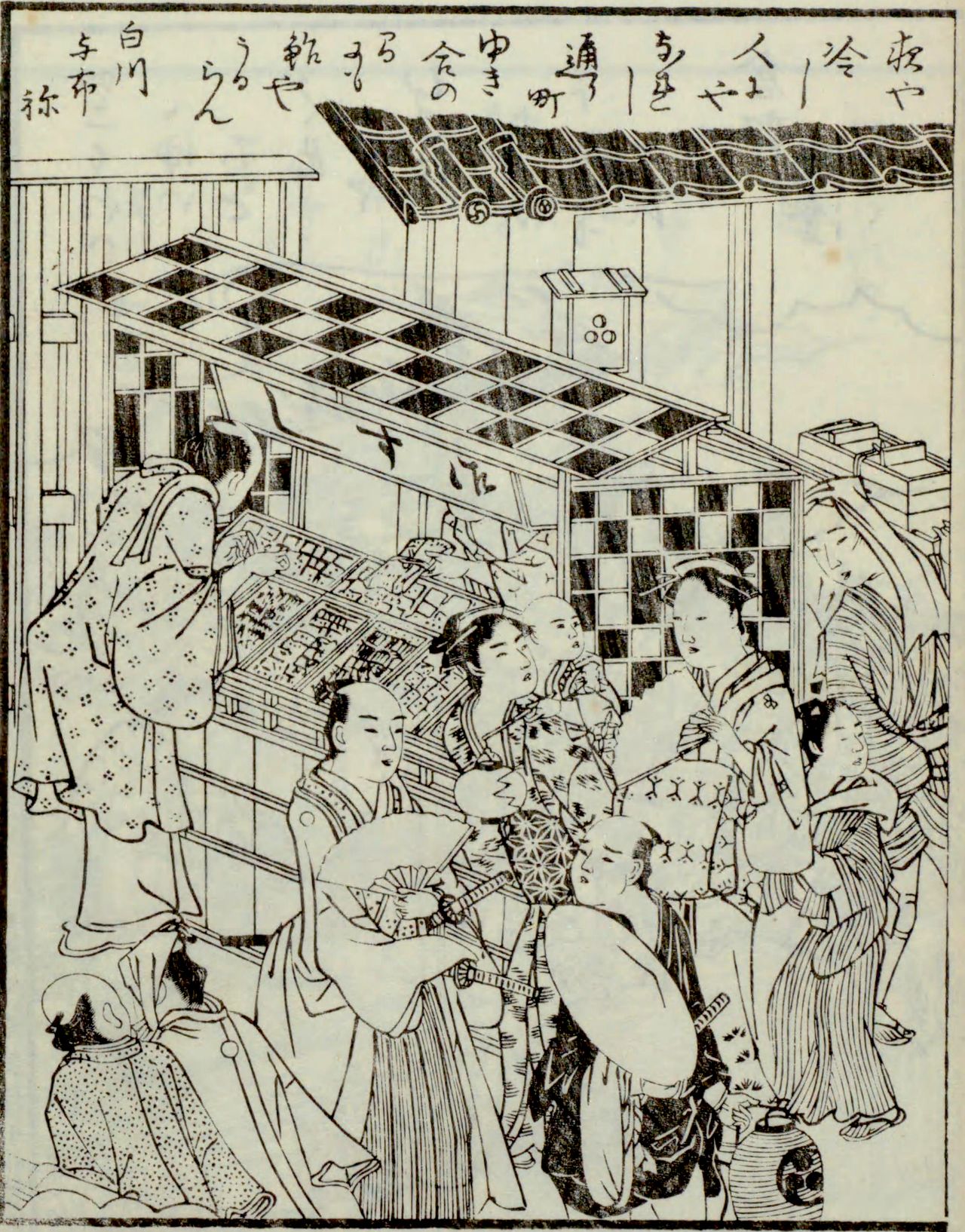

Omakase originated from the Edo period (1603–1868), when sushi was street food sold at stalls. Customers would tell the chef their budget, and the chef would select the best fish of the day.
The modern concept evolved in the 1990s as “omakase” became associated with luxury dining. Instead of customers choosing items, the chef designs the experience — highlighting seasonal fish, peak freshness, and perfect temperature.
Today, omakase extends beyond sushi to kaiseki, tempura, and yakitori. But sushi omakase remains the most iconic form.
It’s not just dinner.
It’s culinary choreography.
Why Omakase Is Perfect for Beginners
Many first-time visitors feel overwhelmed at sushi restaurants. What do you order? What’s good? What if you choose wrong?
Omakase solves that.
The chef:
- Selects the best ingredients of the day
- Designs a flavor progression (light → rich → intense)
- Controls temperature, seasoning, and timing
- Serves each piece at its peak
You don’t need expertise.
You just need curiosity.
Plus, sitting at the counter lets you watch the chef work — slicing, shaping rice, brushing soy sauce — like a live performance.
Even solo diners feel comfortable because most omakase restaurants center around counter seating.
How Much Does Omakase Cost in Tokyo? (2026 Updated)
Prices vary depending on prestige and location, but here’s a realistic breakdown:
- Beginner-friendly lunch: ¥5,000–¥12,000
- Entry-level dinner: ¥8,000–¥20,000
- High-end Michelin: ¥30,000–¥50,000+
Lunch omakase is the secret move.
Same craftsmanship, often half the price.
For many travelers, it becomes the most memorable meal of the trip.
How to Book Omakase (Step-by-Step)
1. Reserve in Advance
- Popular restaurants: 1–3 months ahead
- Lunch spots: sometimes 1–2 weeks ahead
Platforms that support English:
- OMAKASE.in
- Tabelog
- Hotel concierge services
2. Communicate Allergies Early
Say things like:
- “Shellfish allergy”
- “No uni please”
Don’t wait until you sit down — many chefs prepare fish ahead of time.
3. Dress Smart Casual
- Collared shirt or blouse
- No strong perfume
- Avoid flip-flops or beachwear
You’re sitting inches from your chef — fragrance matters.
What Happens During an Omakase Meal?
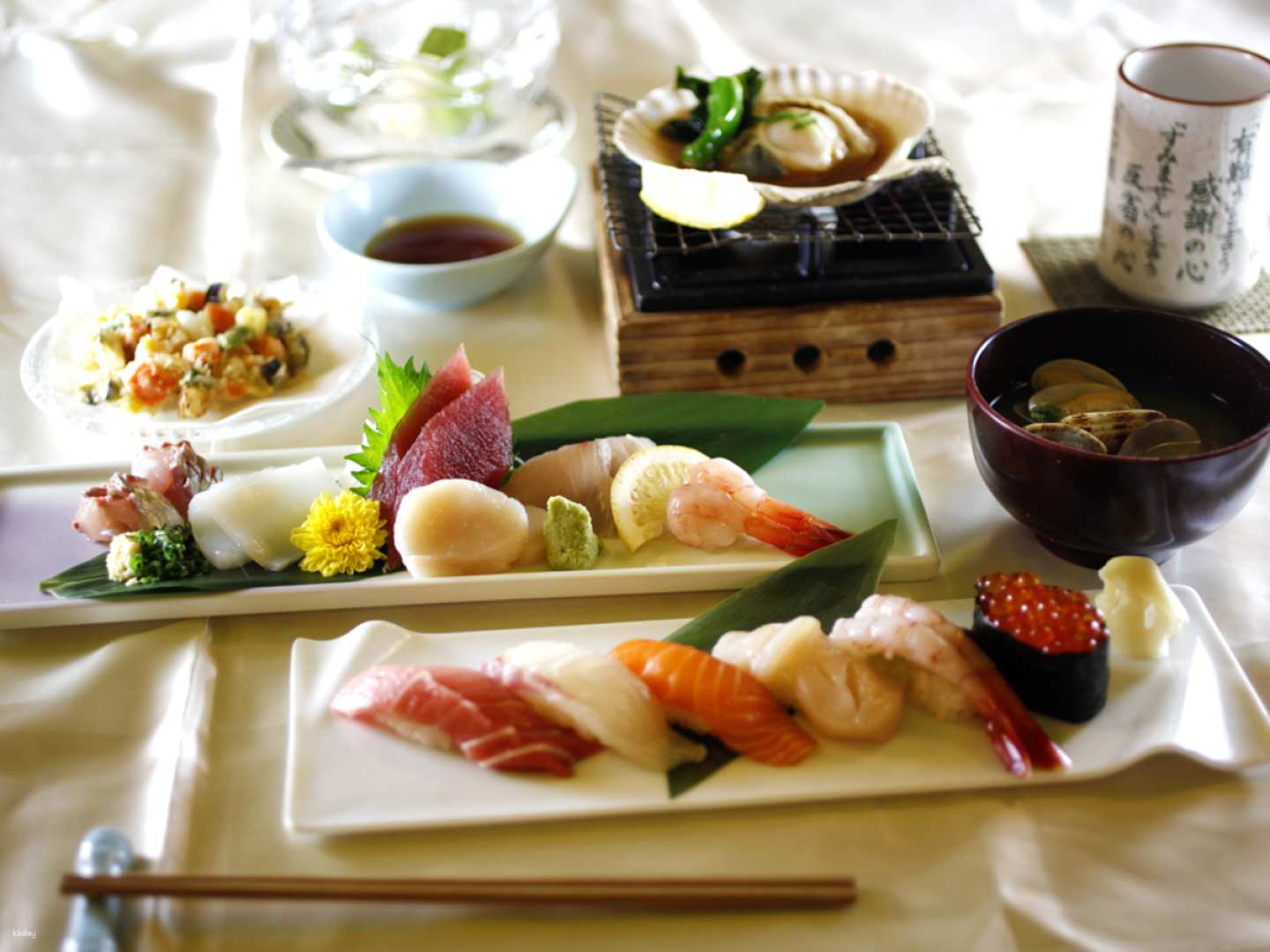


A typical omakase course lasts 90–150 minutes and may include 10–25 dishes.
Common structure:
- Zensai (small appetizer)
- Otsukuri (sashimi)
- Grilled or steamed seasonal dish
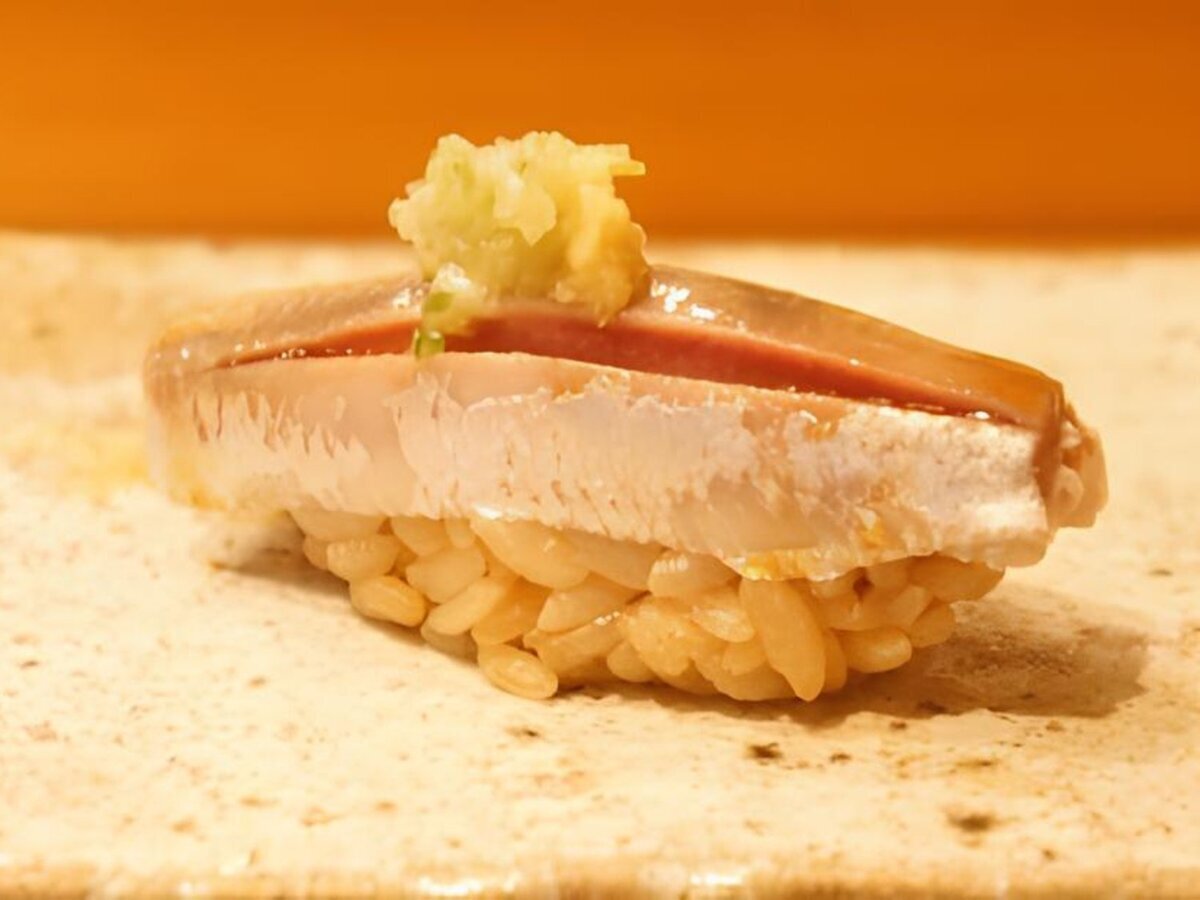
- 8–15 pieces of nigiri
- White fish
- Medium-fat tuna
- Fatty tuna
- Shellfish or uni
- Soup
- Tamago (sweet egg)
- Dessert (fruit or matcha)
Each piece is served individually.
Here’s the most important rule:
Eat it within 30 seconds.
The rice temperature, fish texture, and balance are engineered for that exact moment.
Omakase Etiquette (Beginner Survival Guide)
Eat Immediately
Don’t let sushi sit.
You Can Use Your Hands
Nigiri is traditionally eaten by hand.
One Bite Only
Never split a piece.
Dip Fish-Side Down
Soy sauce touches the fish — never the rice.
Don’t Add Extra Wasabi
The chef has already balanced it.
Ask Before Photos
Say: “Shashin ii desu ka?” (May I take a photo?)
No flash.
No Tipping in Japan
Just say:
“Gochisousama deshita. Arigatou gozaimasu.”
That’s perfect.
Beginner-Friendly Omakase Restaurants in Tokyo (2026)

Sushi Tokyo Ten (Multiple Locations)
25–26 pieces for around ¥8,800–¥9,000
Excellent value and very beginner-friendly.
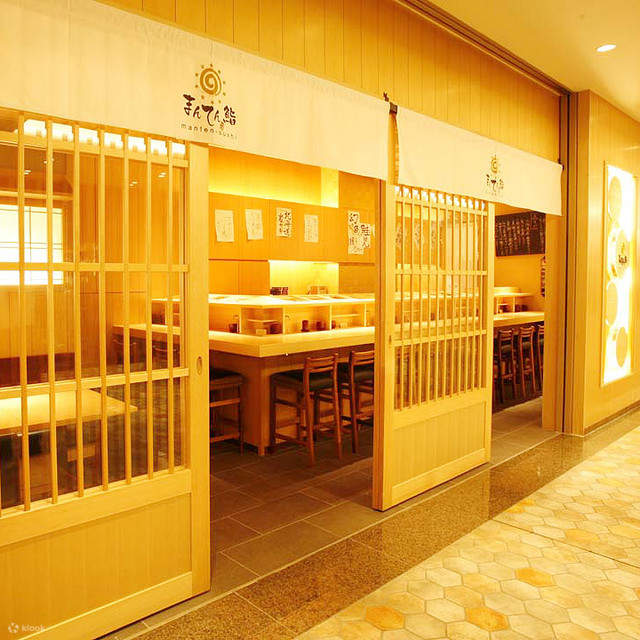
Manten Sushi Marunouchi
¥8,800 for 20+ pieces.
Accessible and high quality.
Sushi Ishijima (Ginza)
Starts around ¥6,600 at lunch.
Known for red vinegar Edo-style rice.
Ginza Sushi Banya Kai
Around ¥9,570 for 22 dishes.
Beautiful presentation and approachable atmosphere.
For luxury debut:
Sushi Umi (Minami Aoyama) — Michelin-starred excellence.
Practical Tips for Visitors
- Use Suica or Pasmo to travel easily.
- Arrive 5–10 minutes early.
- Many restaurants require card guarantees.
- If you get full, say: “Mou kekkou desu” (That’s enough).
And remember:
If you follow etiquette respectfully, chefs often respond warmly — sometimes even offering special seasonal extras.
Final Thoughts: Why Omakase Is More Than Sushi
Omakase is not about choosing fish.
It’s about surrendering control.
You trust the chef.
The chef trusts the season.
The season defines the meal.
For beginners, that might sound intimidating.
But it’s actually freeing.
You don’t need knowledge.
You don’t need expertise.
Just show up hungry — and ready to experience sushi the way Japan intended.
Once you try it, regular sushi menus will never feel the same again.