Why Japan’s Seven-Eleven is Better Than the US Version
great-tirp
This site uses Google AdSense ad intent links.
AdSense automatically generates these links and they may help creators earn money.
At first glance, 7-Eleven is an American-born brand. But step inside a store in Japan, and you’ll quickly realize something surprising:
Japan didn’t just adopt 7-Eleven — it perfected it.
In fact, many travelers say their first visit to a Japanese 7-Eleven feels less like a convenience store… and more like discovering a hidden food paradise.
So what exactly makes Japan’s version so much better than the one in the United States?
1. Japan’s 7-Eleven Is a Daily Essential — Not Just a Pit Stop
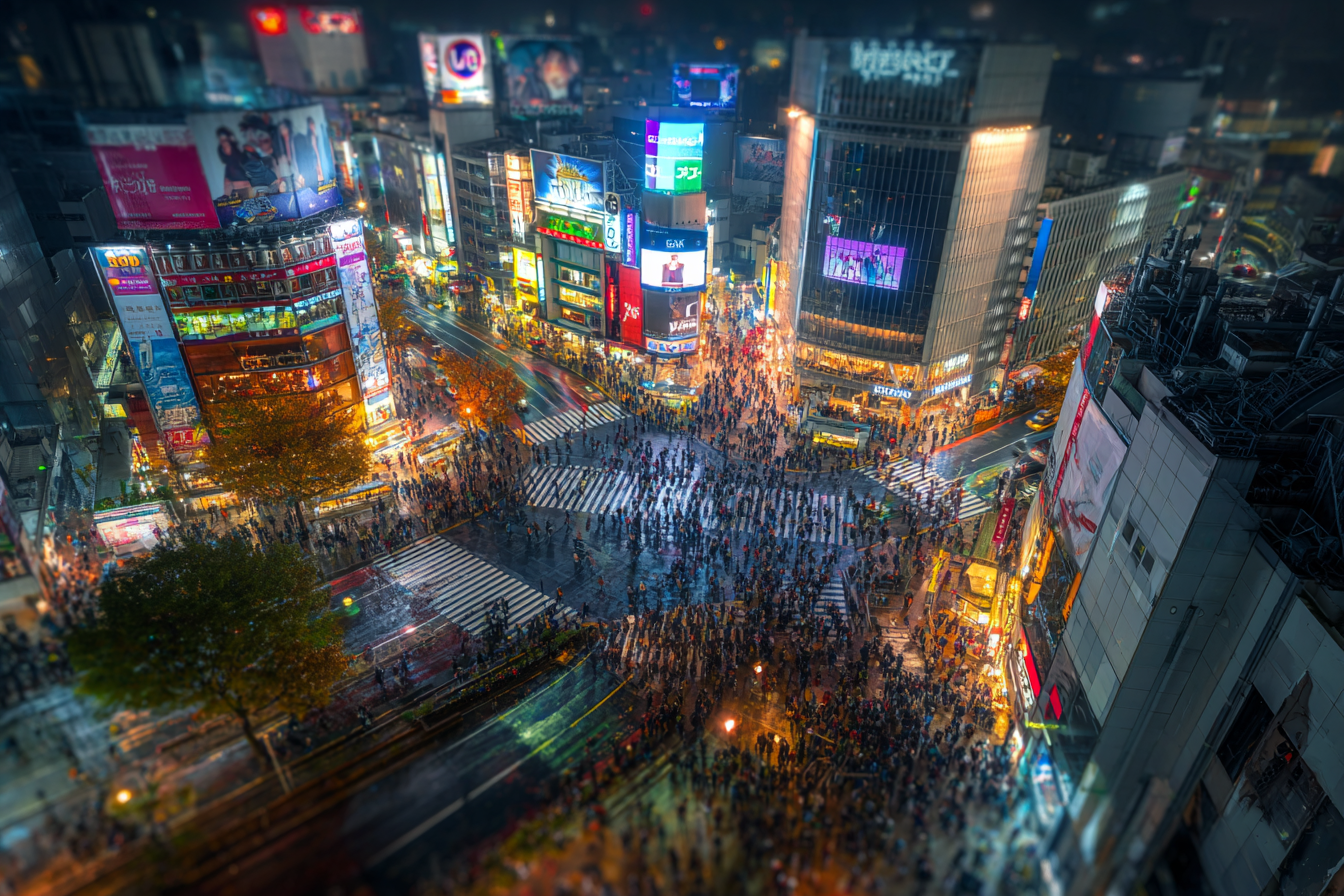
Japan has built one of the densest convenience store networks in the world.
Japan: ~21,000+ stores packed into cities, neighborhoods, and train stations
US: ~12,000+ stores, often tied to gas stations and highways
This difference changes everything.
In Japan, 7-Eleven is part of everyday life — a place you visit daily for meals, bills, and essentials. High population density allows:
Faster inventory turnover
Multiple fresh deliveries per day
Consistently high-quality products
In the US, the experience is different. Many stores are designed for quick stops during travel, not daily food culture.
👉 Result: Japan = lifestyle infrastructure / US = convenience stop
2. The Food Quality Gap Is Massive
This is where Japan completely dominates.
🇯🇵 Japan
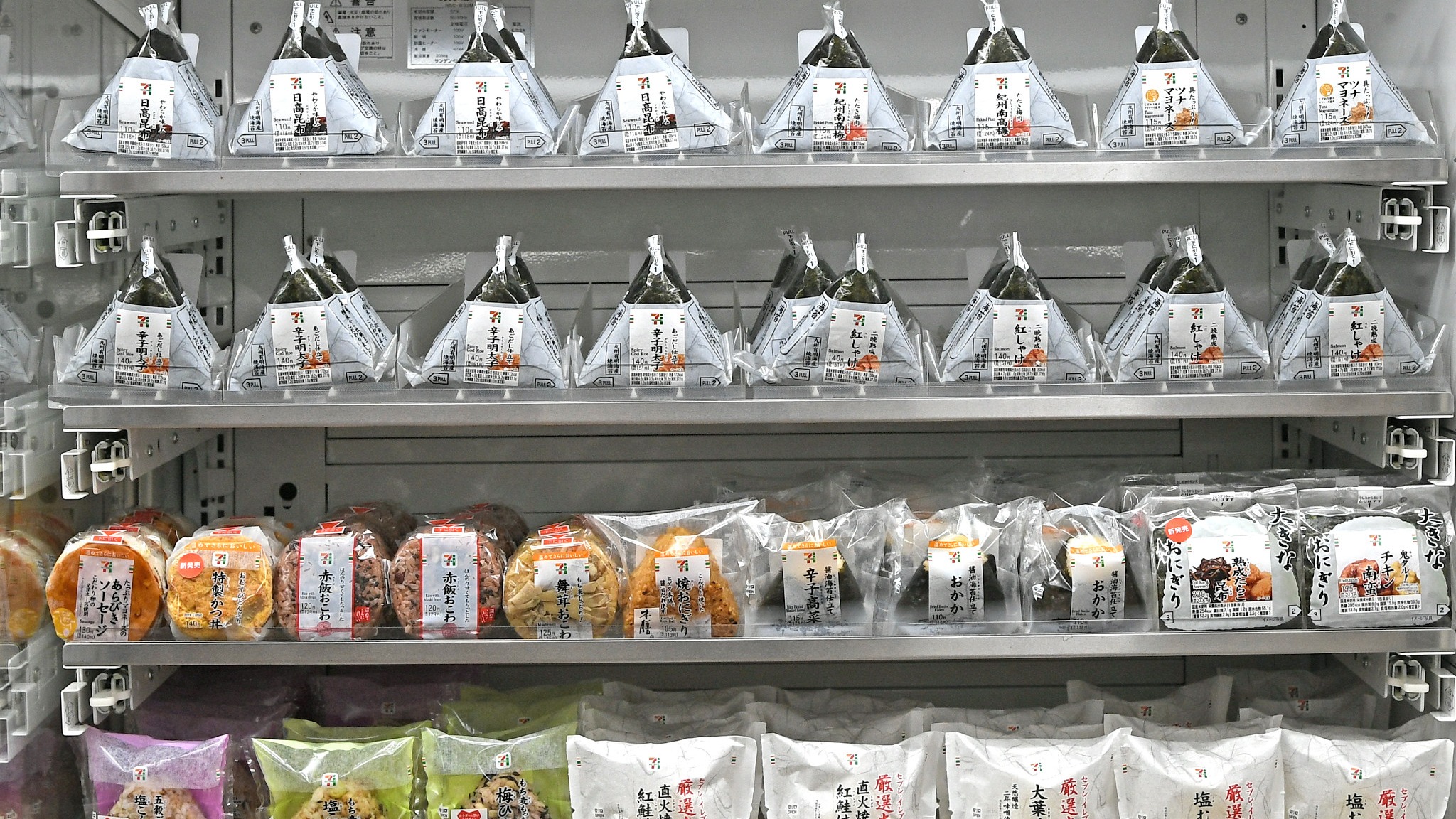
Fresh onigiri (rice balls) made daily
Restaurant-level bento boxes
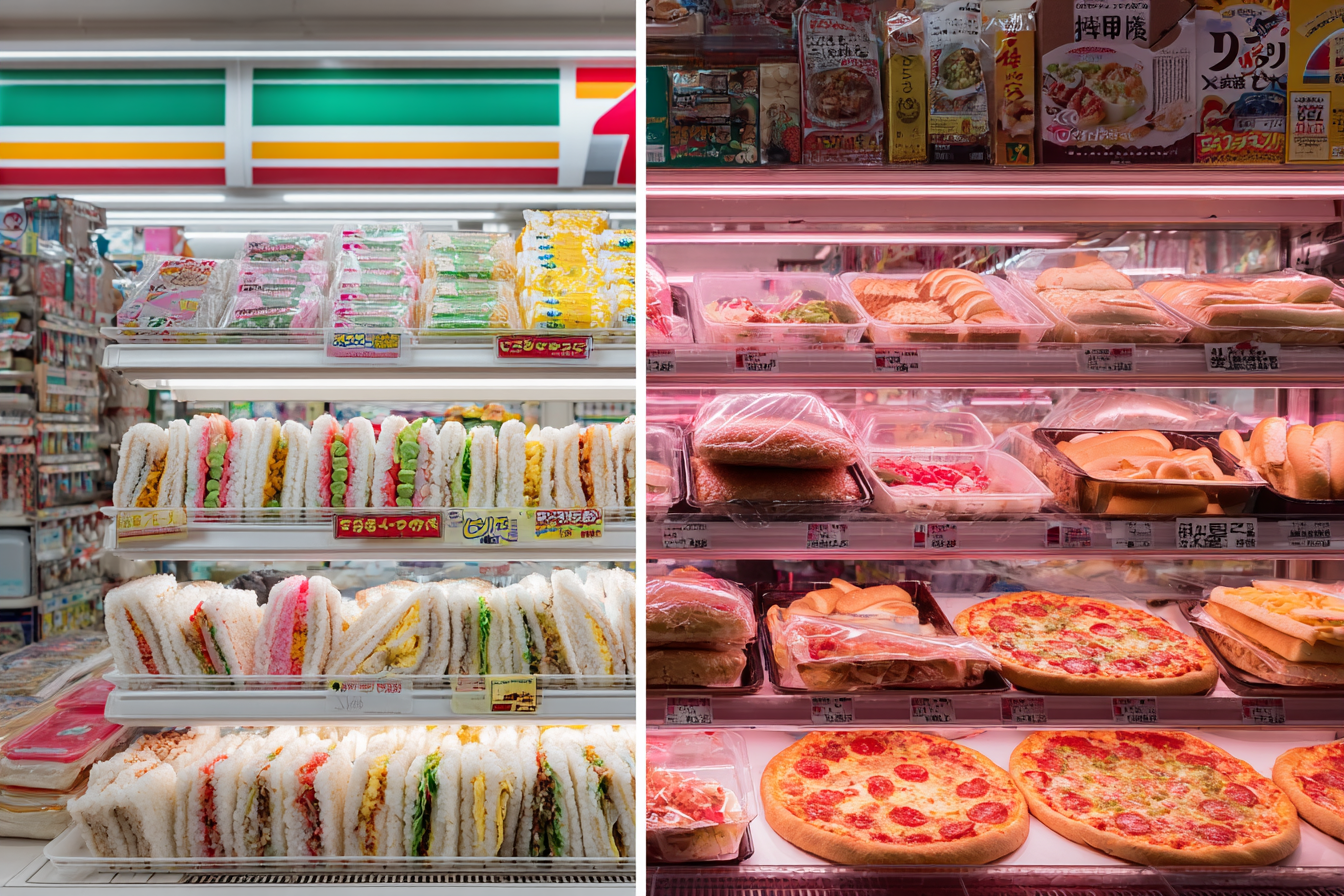
Famous egg sandwiches (praised globally)
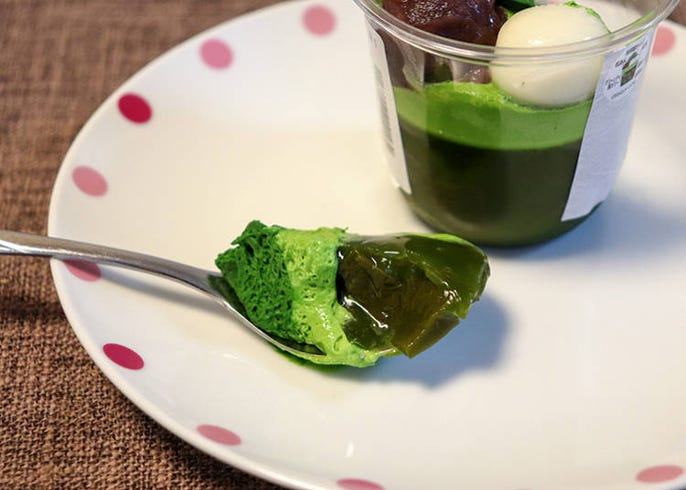
Seasonal desserts, ramen, fried foods, oden
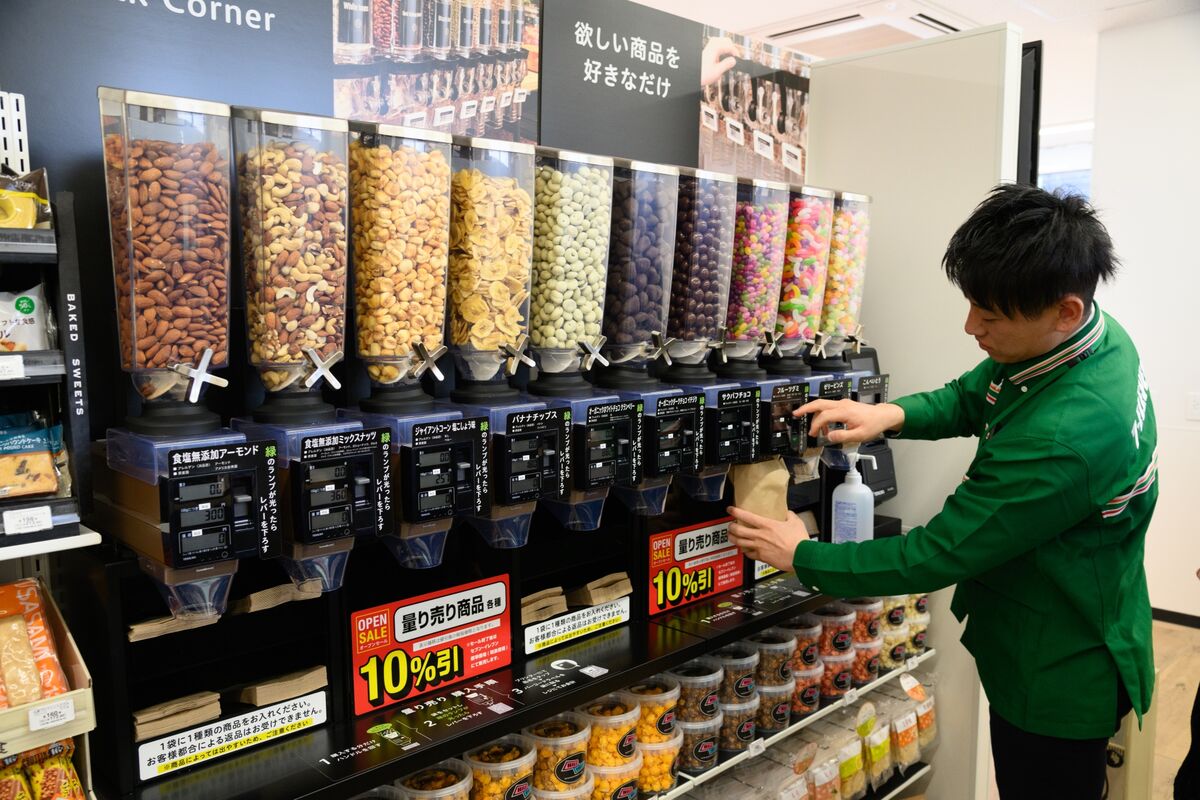
Constant product innovation
Food is treated seriously — almost like a mini restaurant.
🇺🇸 US
Hot dogs, pizza slices, chips
Slurpees and Big Gulp drinks
Limited fresh options (though improving recently)
Even with recent upgrades, the US still lags behind.
📌 Notably, the US division of 7-Eleven Inc. has begun introducing Japanese-style items — including fresh sandwiches — inspired by Japan’s success.
👉 Result: Japan = “cheap gourmet” / US = “quick calories”
3. Cleanliness & Store Experience
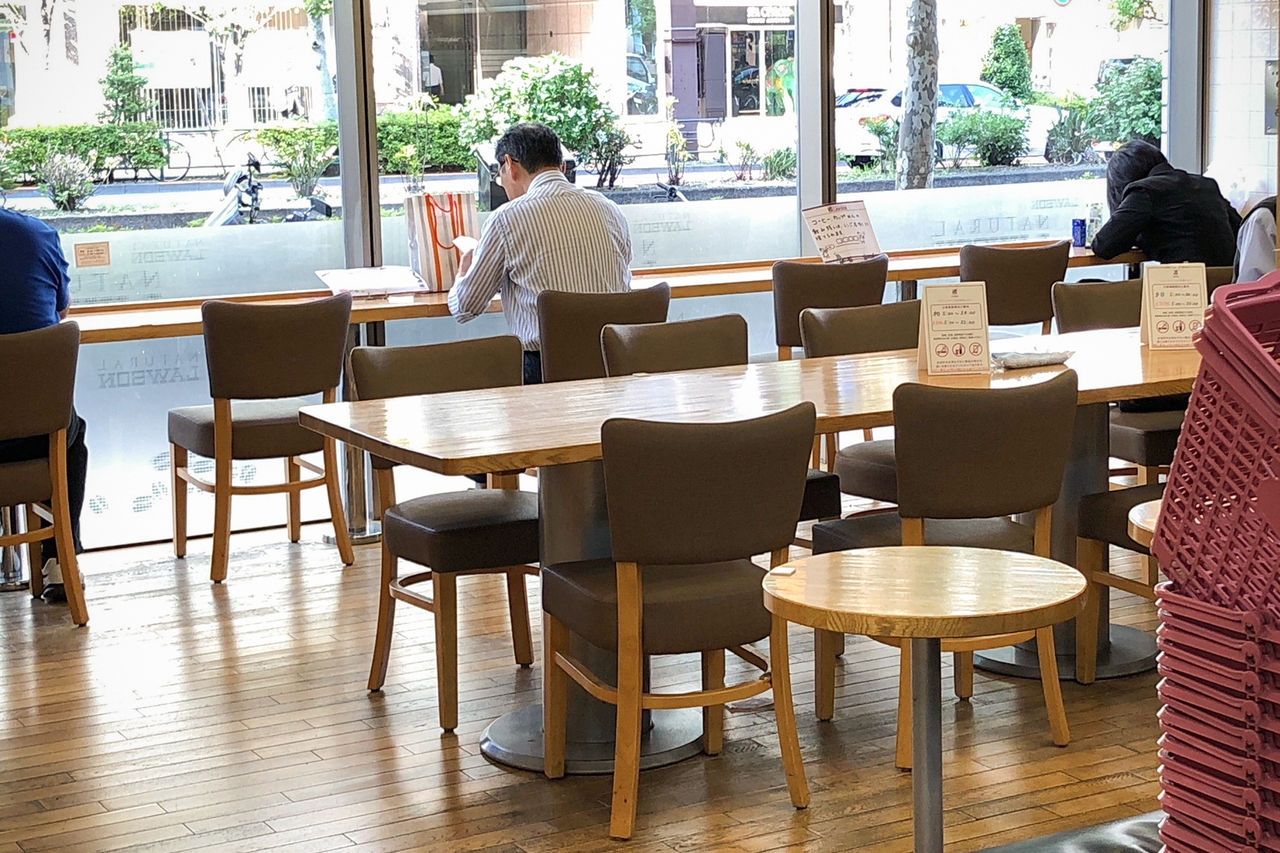
Walk into a Japanese 7-Eleven and you’ll notice:
Spotless floors
Perfectly aligned shelves
Bright, calm lighting
Occasionally even seating areas
It feels closer to a clean café than a typical convenience store.
Compare that to many US locations:
More rushed atmosphere
Less consistent cleanliness
Minimal seating
This isn’t just about store management — it reflects cultural expectations around cleanliness and customer experience.
👉 Result: Japan = relaxing space / US = functional space
4. Services: Japan Is a One-Stop Life Hub
Japan’s 7-Eleven goes far beyond food.
You can:
Pay bills and taxes
Use ATMs (including international cards)
Print documents
Buy event tickets
Receive packages
Use Wi-Fi
Order delivery via apps
It’s essentially a mini city service center.
Meanwhile in the US:
Focus is mainly on retail + fuel + lottery
Additional services are limited
👉 Result: Japan = life infrastructure / US = retail store
5. Technology & Operations: Japan Leads the World
The Japanese parent company, Seven & i Holdings, operates one of the most advanced retail systems globally.
Key advantage:
Tanpin Kanri (single-item management system)
AI-driven demand forecasting
Precise inventory control
Reduced waste + maximum freshness
This system ensures:
The right product
In the right place
At the right time
The US is now actively trying to adopt these methods, especially between 2025–2030, with plans for:
Larger food-focused stores
In-store dining concepts
Expanded fresh food offerings
But experts agree: replicating Japan’s system isn’t easy due to differences in:
Population density
Logistics networks
Consumer behavior
6. The Big Shift: The US Is Trying to Catch Up
Here’s the most interesting twist:
👉 The US is now using Japan as its model.
Recent moves include:
Expanding fresh food lines
Introducing Japanese-style sandwiches
Building next-generation stores with seating
Scaling delivery services
Yet even with these efforts, Japan still leads — because its system isn’t just business…
It’s culture.
Final Thoughts: Why Japan Still Wins
Japan’s 7-Eleven succeeds because it blends:
High-quality food
Efficient logistics
Cultural attention to detail
Everyday convenience
It’s not just a store — it’s part of daily life.
Meanwhile, the US version is evolving — and improving — but still rooted in a different concept.
✨ Conclusion
Japan’s 7-Eleven isn’t better by accident. It’s better by design.
Hello, I'm a new member of "great-trip" and I'm looking forward to meeting you! Welcome to "great-trip"! great-trip" is a website designed to introduce tourist attractions in Japan. This site will help you with your next trip by providing detailed information on various tourist attractions in Japan. The site provides easy-to-understand and friendly content so that even those new to planning a trip can find the information they are looking for with ease. great-trip" is operated with the hope of conveying the wonders of Japan's sightseeing spots to as many people as possible. We hope that visitors to our site will find travel enjoyable and appealing, and that we can help them find their next travel destination. As your travel plans progress, discover new aspects of Japan and create wonderful memories. Let's go on a great trip to Japan together! Discover your next travel destination with "great-trip". We look forward to seeing you soon!