
At first glance, 7-Eleven is an American-born brand. But step inside a store in Japan, and you’ll quickly realize something surprising:
Japan didn’t just adopt 7-Eleven — it perfected it.
In fact, many travelers say their first visit to a Japanese 7-Eleven feels less like a convenience store… and more like discovering a hidden food paradise.
So what exactly makes Japan’s version so much better than the one in the United States?
1. Japan’s 7-Eleven Is a Daily Essential — Not Just a Pit Stop
Japan has built one of the densest convenience store networks in the world.
- Japan: ~21,000+ stores packed into cities, neighborhoods, and train stations
- US: ~12,000+ stores, often tied to gas stations and highways
This difference changes everything.
In Japan, 7-Eleven is part of everyday life — a place you visit daily for meals, bills, and essentials. High population density allows:
- Faster inventory turnover
- Multiple fresh deliveries per day
- Consistently high-quality products
In the US, the experience is different. Many stores are designed for quick stops during travel, not daily food culture.
👉 Result: Japan = lifestyle infrastructure / US = convenience stop
2. The Food Quality Gap Is Massive

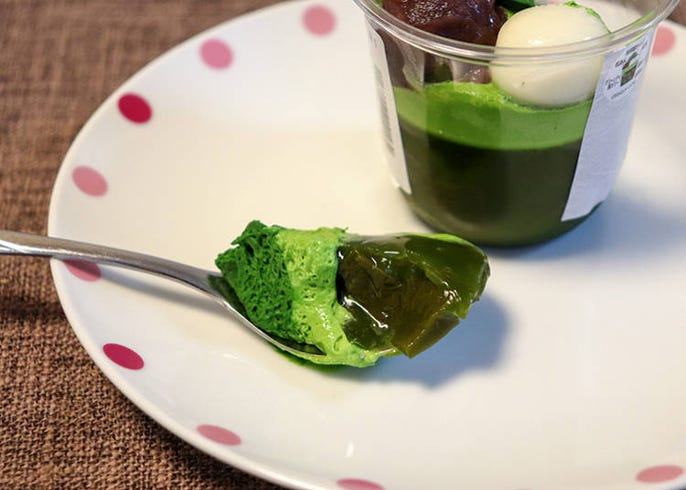
This is where Japan completely dominates.
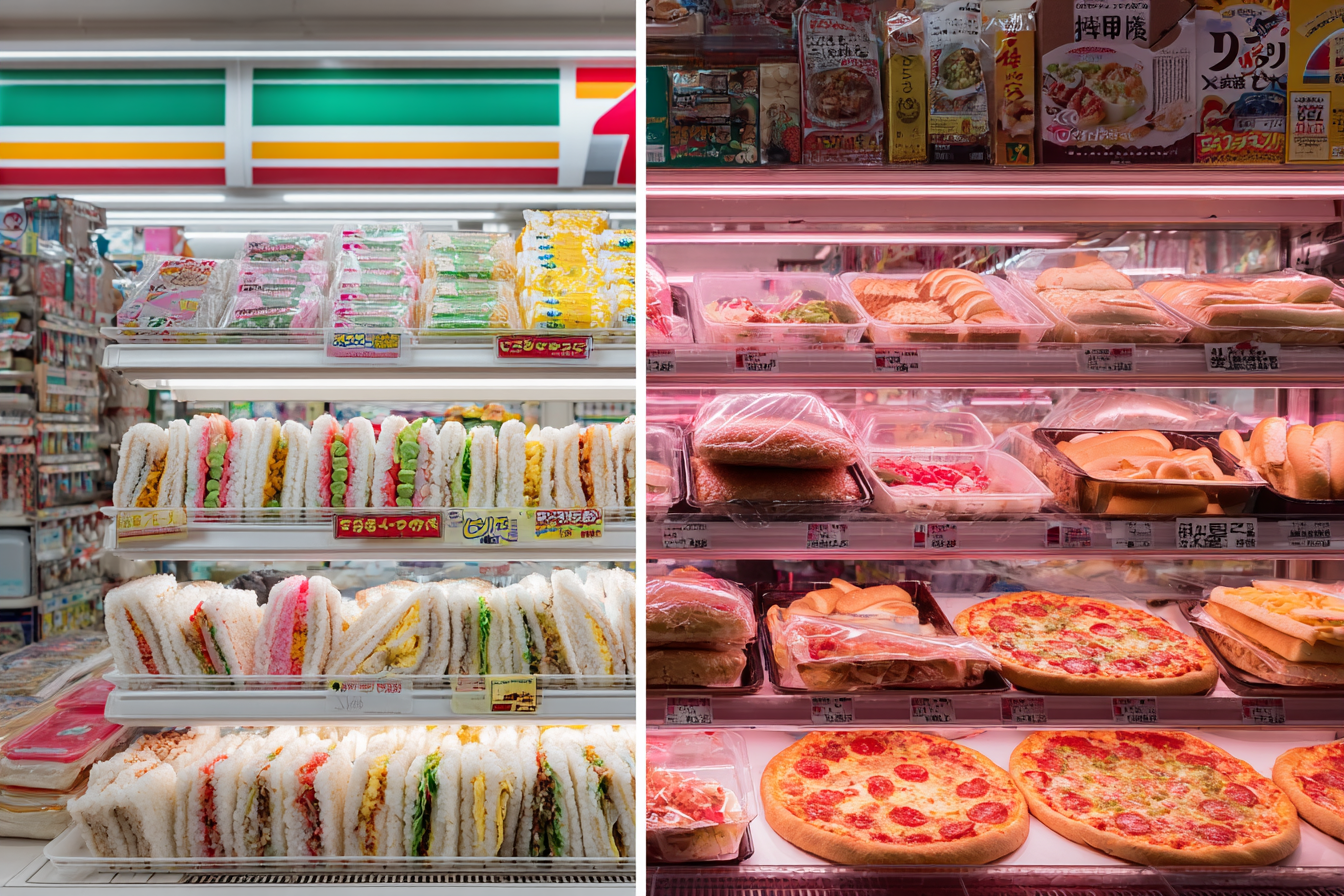
🇯🇵 Japan
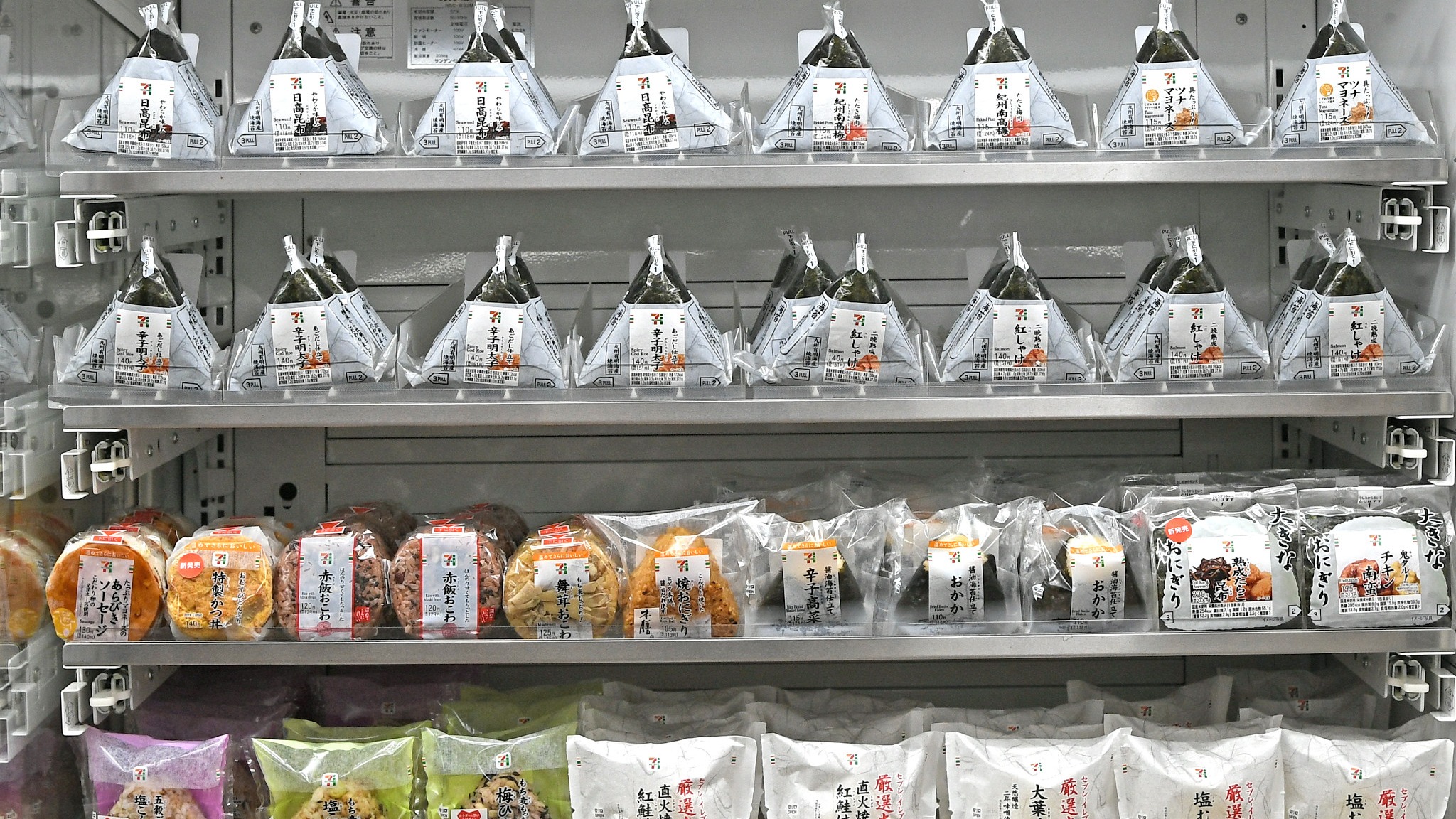
- Fresh onigiri (rice balls) made daily
- Restaurant-level bento boxes
- Famous egg sandwiches (praised globally)
- Seasonal desserts, ramen, fried foods, oden
- Constant product innovation
Food is treated seriously — almost like a mini restaurant.
🇺🇸 US
- Hot dogs, pizza slices, chips
- Slurpees and Big Gulp drinks
- Limited fresh options (though improving recently)
Even with recent upgrades, the US still lags behind.
📌 Notably, the US division of 7-Eleven Inc. has begun introducing Japanese-style items — including fresh sandwiches — inspired by Japan’s success.
👉 Result: Japan = “cheap gourmet” / US = “quick calories”
3. Cleanliness & Store Experience
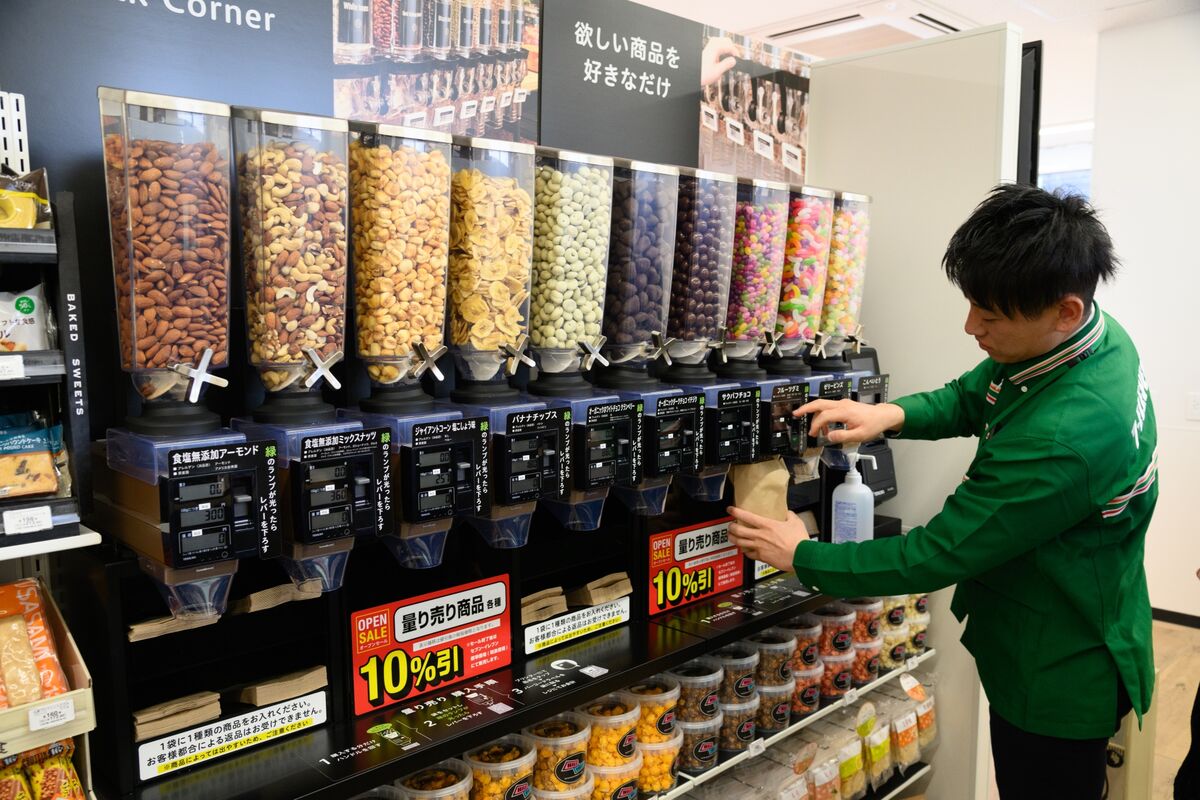
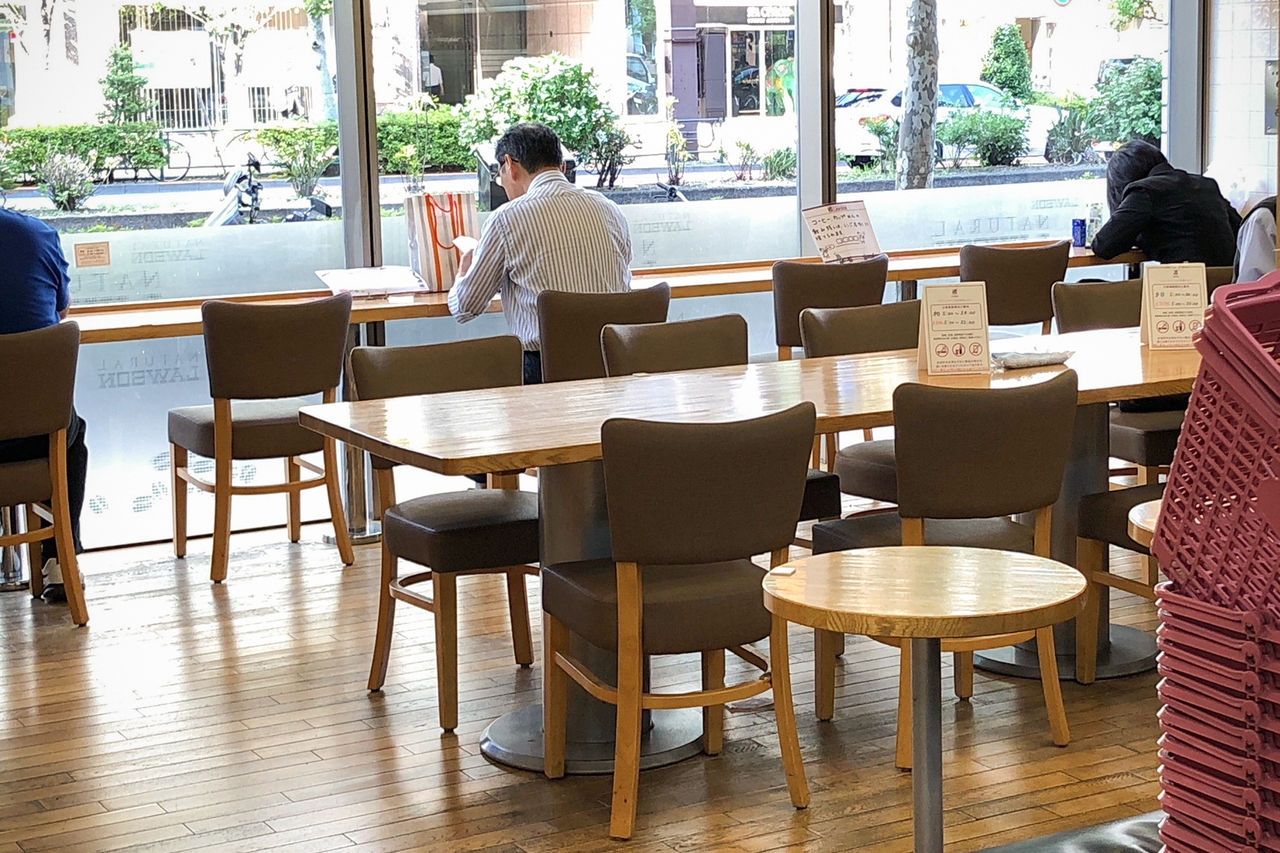

Walk into a Japanese 7-Eleven and you’ll notice:
- Spotless floors
- Perfectly aligned shelves
- Bright, calm lighting
- Occasionally even seating areas
It feels closer to a clean café than a typical convenience store.
Compare that to many US locations:
- More rushed atmosphere
- Less consistent cleanliness
- Minimal seating
This isn’t just about store management — it reflects cultural expectations around cleanliness and customer experience.
👉 Result: Japan = relaxing space / US = functional space
4. Services: Japan Is a One-Stop Life Hub
Japan’s 7-Eleven goes far beyond food.
You can:
- Pay bills and taxes
- Use ATMs (including international cards)
- Print documents
- Buy event tickets
- Receive packages
- Use Wi-Fi
- Order delivery via apps
It’s essentially a mini city service center.
Meanwhile in the US:
- Focus is mainly on retail + fuel + lottery
- Additional services are limited
👉 Result: Japan = life infrastructure / US = retail store
5. Technology & Operations: Japan Leads the World
The Japanese parent company, Seven & i Holdings, operates one of the most advanced retail systems globally.
Key advantage:
- Tanpin Kanri (single-item management system)
- AI-driven demand forecasting
- Precise inventory control
- Reduced waste + maximum freshness
This system ensures:
- The right product
- In the right place
- At the right time
The US is now actively trying to adopt these methods, especially between 2025–2030, with plans for:
- Larger food-focused stores
- In-store dining concepts
- Expanded fresh food offerings
But experts agree:
replicating Japan’s system isn’t easy due to differences in:
- Population density
- Logistics networks
- Consumer behavior
6. The Big Shift: The US Is Trying to Catch Up
Here’s the most interesting twist:
👉 The US is now using Japan as its model.
Recent moves include:
- Expanding fresh food lines
- Introducing Japanese-style sandwiches
- Building next-generation stores with seating
- Scaling delivery services
Yet even with these efforts, Japan still leads — because its system isn’t just business…
It’s culture.
Final Thoughts: Why Japan Still Wins
Japan’s 7-Eleven succeeds because it blends:
- High-quality food
- Efficient logistics
- Cultural attention to detail
- Everyday convenience
It’s not just a store — it’s part of daily life.
Meanwhile, the US version is evolving — and improving — but still rooted in a different concept.
✨ Conclusion
Japan’s 7-Eleven isn’t better by accident. It’s better by design.
And until the US can replicate:
- Japan’s density
- Its food culture
- Its obsession with quality
…the gap will remain.