If you visit Asakusa and only see the big red lantern, take a photo, walk through souvenir stalls, and leave — you’ve barely scratched the surface.
Yes, Asakusa is one of Tokyo’s most famous districts.
But behind the tour groups and selfie sticks, there’s a quieter, more authentic side waiting to be discovered.
I’ve walked these streets early in the morning, late at night, and on ordinary weekdays. What I’ve learned is simple:
The real Asakusa begins one street away from the main road.
Here’s how to experience it properly.
Start with the Classic — But Do It Right


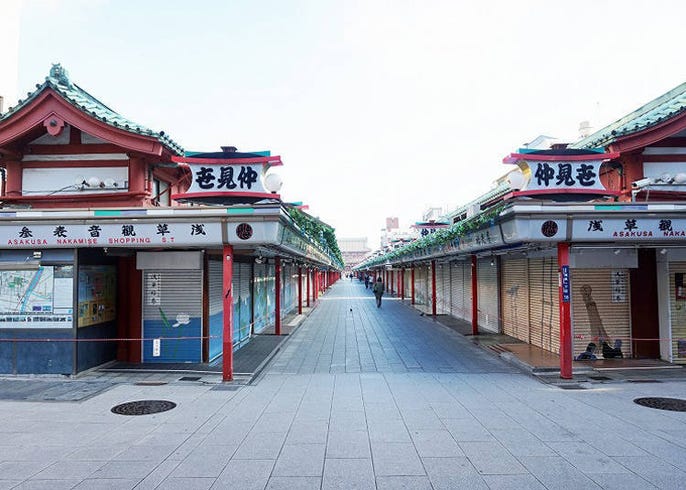
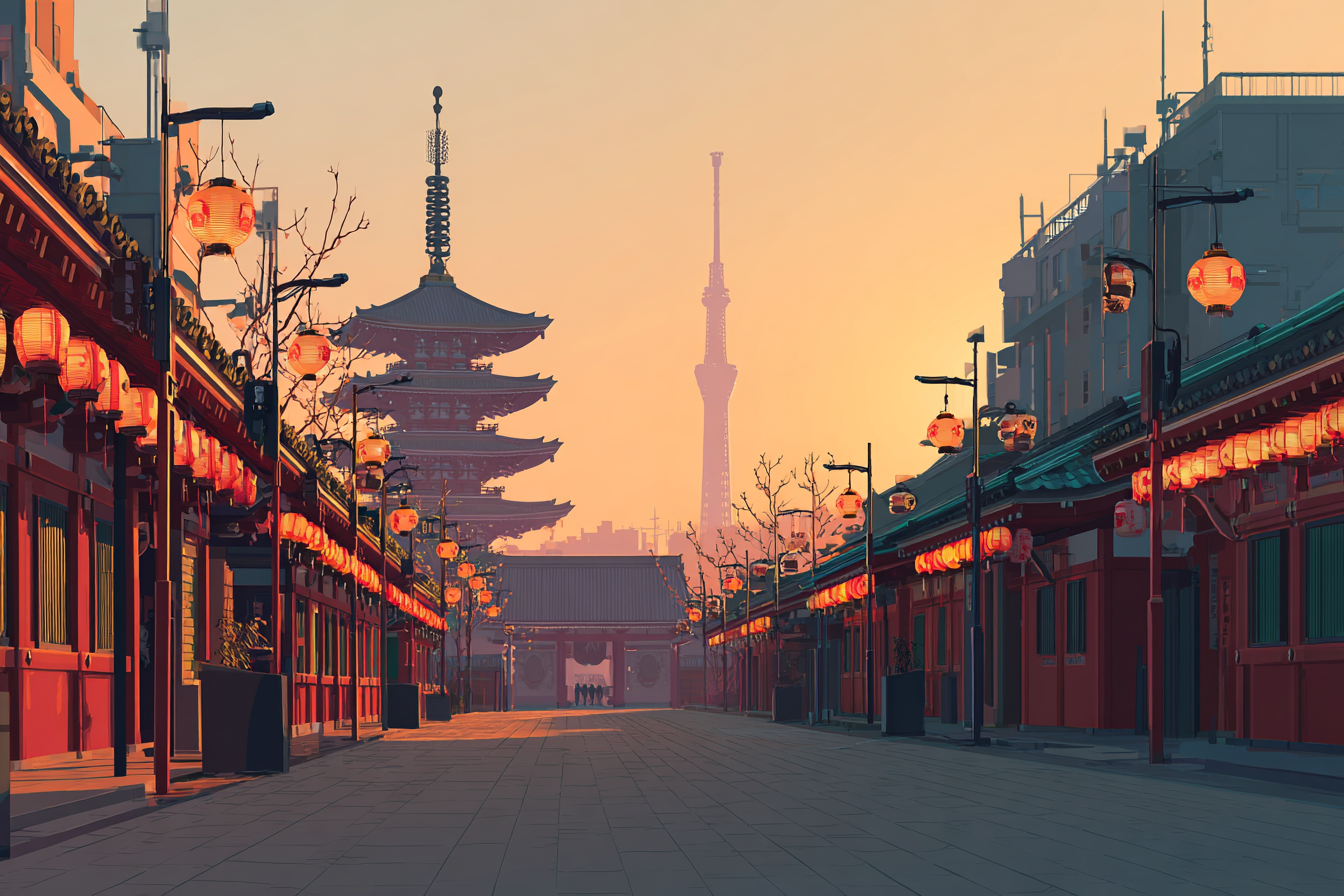
You can’t skip Senso-ji and Kaminarimon Gate.
They are iconic for a reason.
But timing changes everything.
Go before 8:00 AM or after 5:00 PM.
The crowds thin out, the light softens, and the temple feels spiritual instead of chaotic.
Walk slowly.
Look up at the five-story pagoda.
Watch locals pray.
Then — leave the main street.
That’s when the real exploration begins.
Quiet Shrines Most Tourists Miss
1. The Shrine of Radishes (Yes, Really)


Matsuchiyama Shoden
Located on a small hill near Sumida River, this peaceful shrine is dedicated to health and prosperity.
Locals offer daikon radishes as symbolic gifts.
You’ll even see radish-shaped prayer plaques.
It’s quiet. Breezy. Almost meditative.
During cherry blossom season, the view over the river is stunning.
No tour buses. No loud crowds.
Just calm.
2. The Cat Shrine of Good Luck


4
Imado Shrine
Tucked inside a residential neighborhood, this shrine is associated with the famous maneki-neko (beckoning cat).
It’s also known as a matchmaking shrine.
Couples visit to tie wishes.
Cat statues watch quietly from the corners.
It feels like a local secret — because it mostly is.
After visiting, stop at a small nearby café for matcha.
That’s the kind of Asakusa moment you remember.
The Backstreets: Where Asakusa Feels Alive
Hoppy Street — Old-School Tokyo Energy

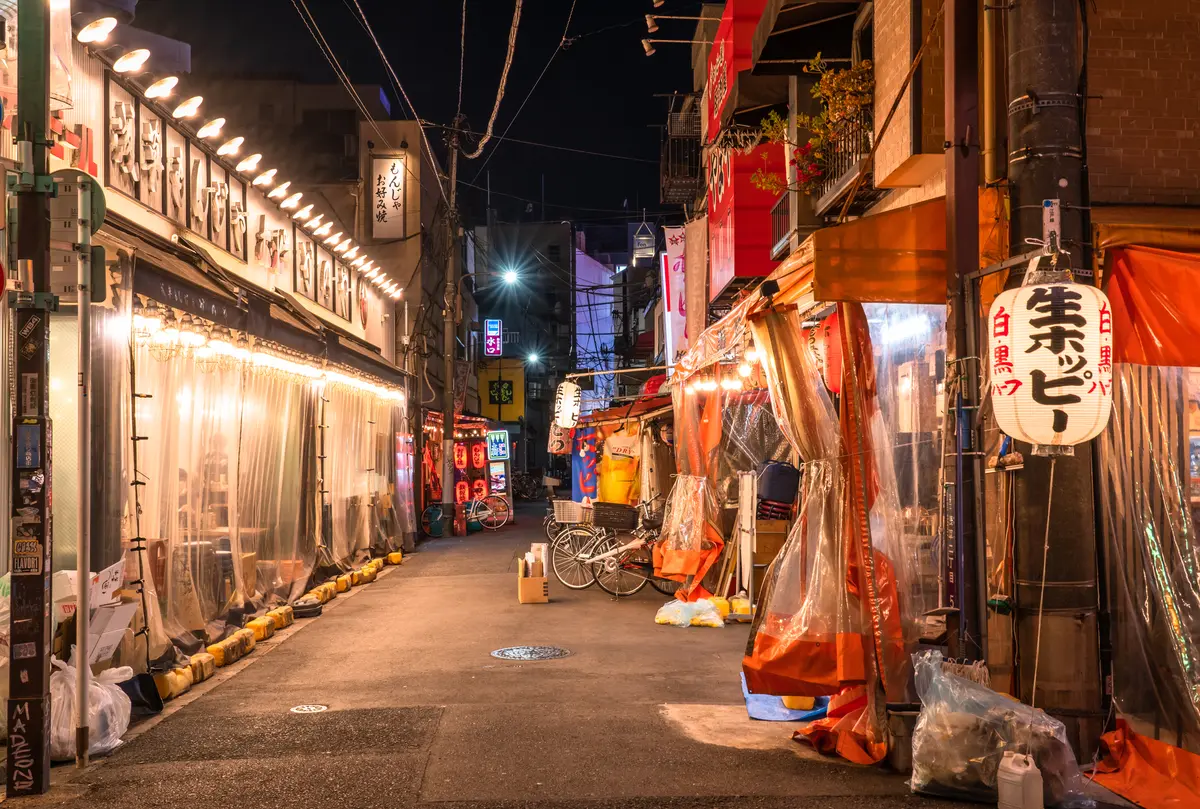
Hoppy Street
Here, people drink in the afternoon.
Plastic stools. Grilled skewers. Laughter.
It’s loud but welcoming.
Order yakitori and a glass of Hoppy — a nostalgic beer-style drink.
This is Showa-era Tokyo still breathing.
The Underground Time Capsule


Asakusa Underground Shopping Street
Near Asakusa Station, stairs lead down into another era.
Flickering neon. Tiny ramen counters. Hidden bars.
It feels untouched by modern Tokyo.
It’s not glamorous — and that’s exactly why it’s fascinating.
A Breath of Fresh Air Along the River


4
When you need space, head to Sumida Park.
Locals picnic here.
Couples walk quietly by the river.
From here, you can see Tokyo Skytree rising in the distance.
Sunset is especially beautiful.
It’s the perfect counterbalance to temple crowds.
Something Unexpected: Retro Amusement Park
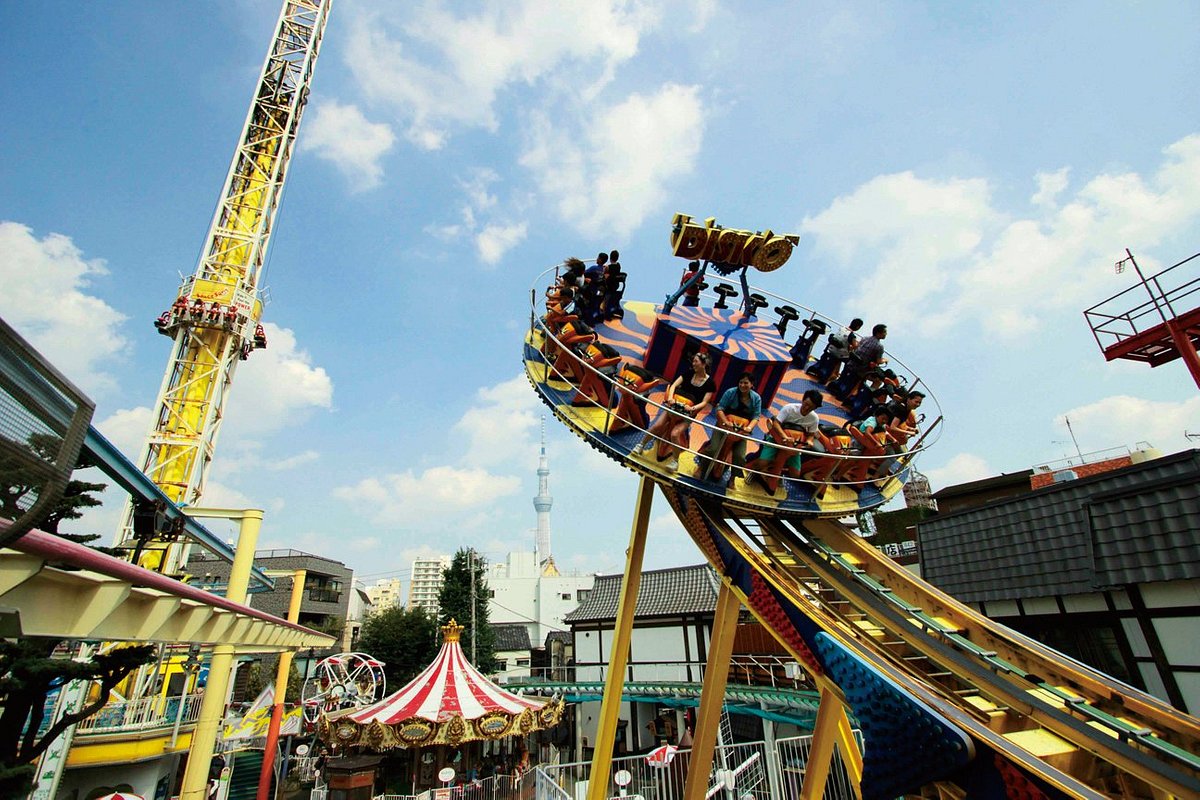

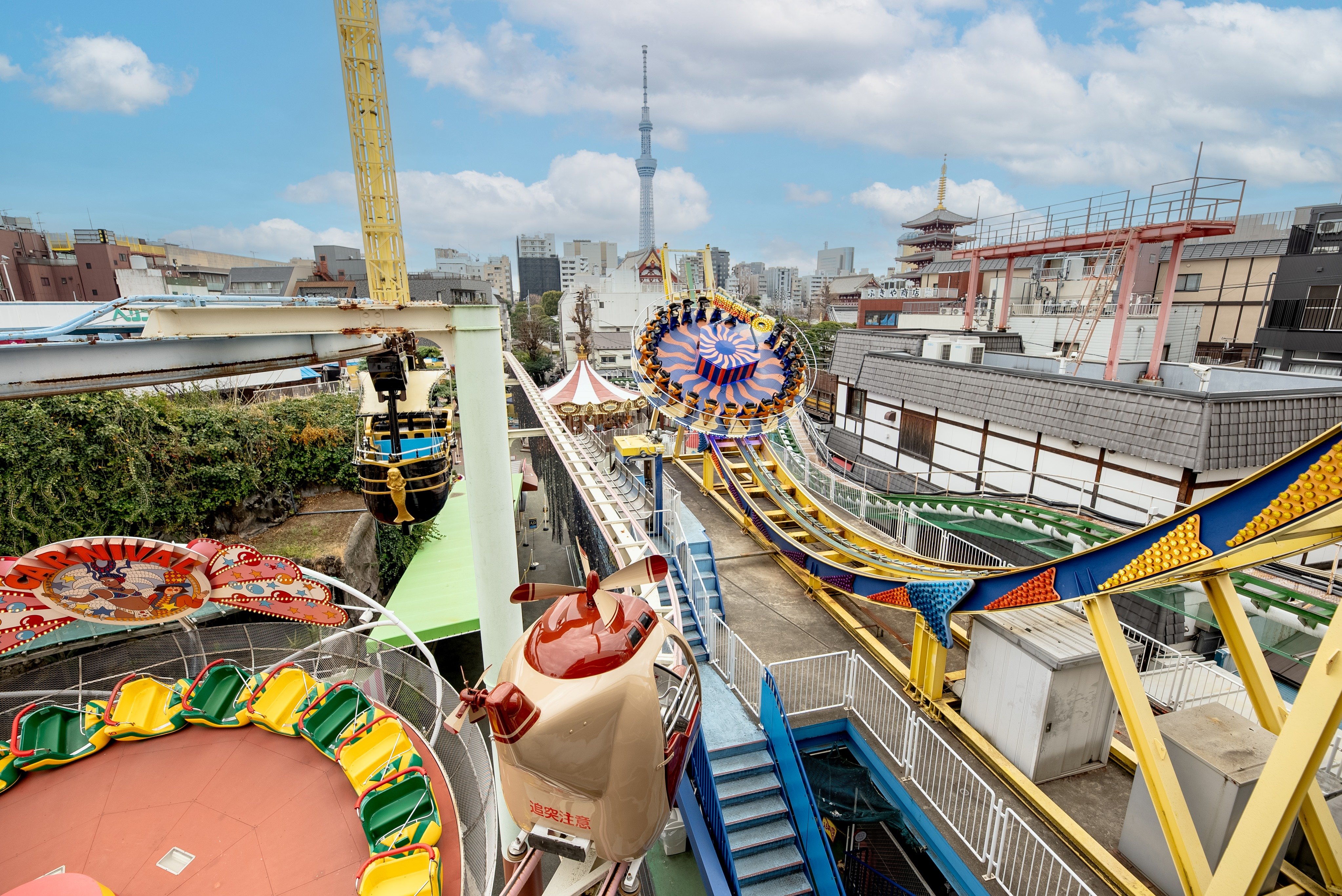
Hidden between apartment buildings is Asakusa Hanayashiki — Japan’s oldest amusement park.
It opened in 1853.
Small. Retro. Slightly quirky.
Not thrilling — but charming in a way modern theme parks aren’t.
Where to Eat Without Falling into Tourist Traps
Skip the loud street stalls directly in front of the temple.
Instead:
- Try a traditional soba shop on a quieter side street
- Visit a small family-run coffee shop
- Look for places with handwritten menus and mostly Japanese customers
Asakusa is full of long-standing establishments that locals still support.
Follow them.
How to Experience Asakusa Like an Insider
- Go early morning or late afternoon
- Step one street away from the crowds
- Look for locals, not English menus
- Leave room for wandering
Asakusa isn’t meant to be rushed.
It rewards curiosity.
Final Thought
Yes, Asakusa is famous.
But its real charm isn’t in the giant lantern or the souvenir shops.
It’s in the hidden shrines, the aging neon lights, the river breeze, and the sound of locals laughing over skewers and beer.
Take the photo at Kaminarimon.
Then keep walking.
That’s when Asakusa truly begins.