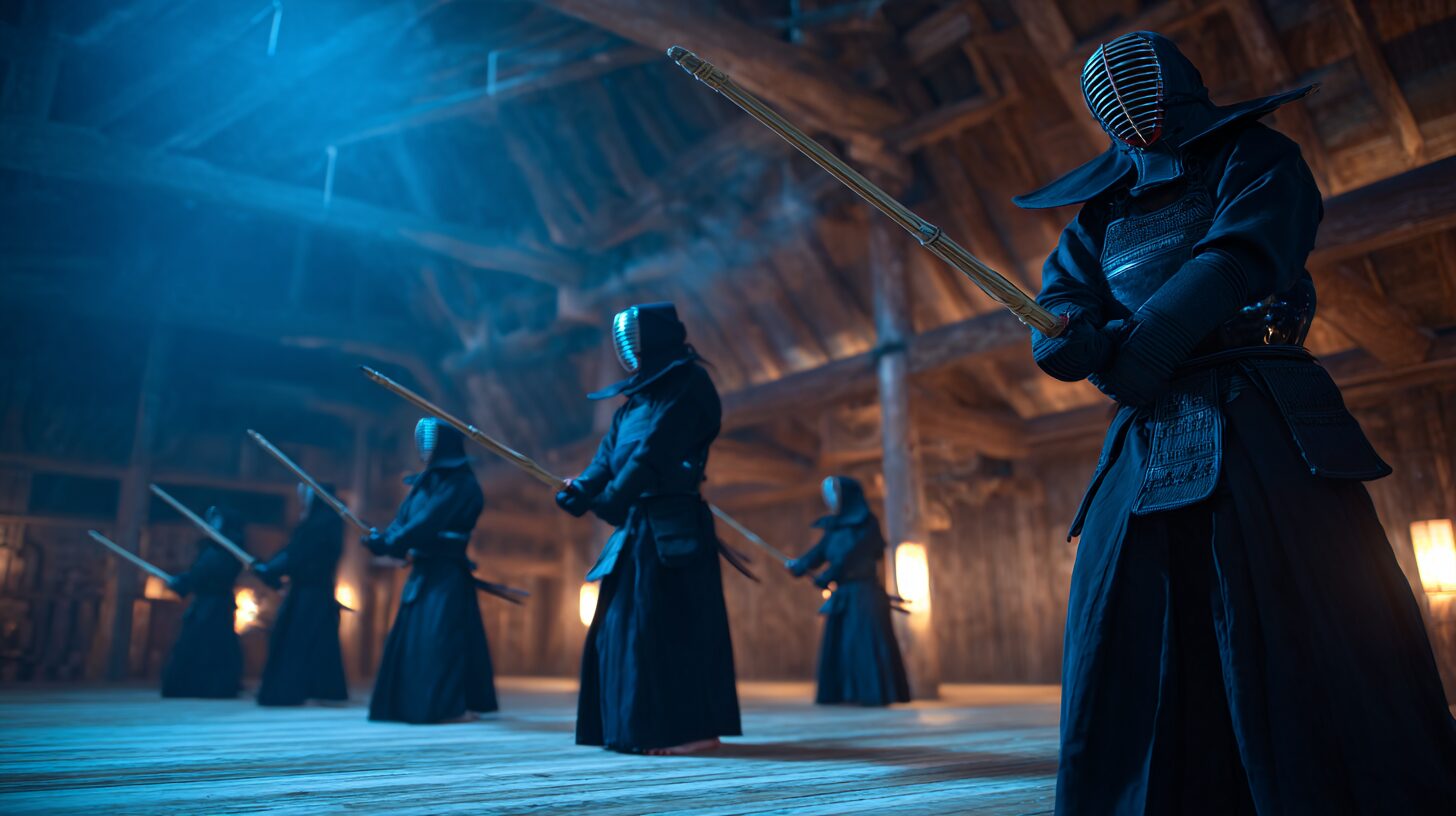
The moment before the match, everything goes quiet. My opponent across the dojo floor is a fourteen-year-old boy who has been practicing kendo since age six. He is smaller than me by a head. He will dismantle me completely within forty seconds, and the instructor will count the points against me with a courtesy that somehow makes it worse.
I had come to the dojo expecting a demonstration. What I got was a lesson in the difference between watching a martial art and encountering it. The shinai — a bamboo practice sword — is lighter than it looks, the protective bogu armor hotter than any sport gear I’ve worn, and the etiquette more demanding than either. But that short, decisive, humbling match is one of the clearest memories I have from three weeks in Japan.
Japan’s martial arts dojos have become significantly more accessible to international visitors over the past decade. In 2026, you can book structured tourist experiences in kendo, judo, aikido, karate, and several other disciplines in Tokyo, Kyoto, Osaka, and beyond — ranging from brief orientation sessions to multi-week residential training programs. Here is what the best experiences involve and how to find them.

What to Expect From a Martial Arts Tourist Experience
Most martial arts tourist experiences in Japan fall into one of three categories: demonstration-only events (you watch, don’t participate), introductory practice sessions (you learn basic techniques under instruction), and extended training programs (you attend real dojo practice sessions over multiple days). The quality and authenticity of the experience varies enormously between these categories — and the labeling can be misleading. An “experience” listed on a travel booking platform might be a 30-minute photo opportunity in borrowed armor or a genuine 90-minute session where you sweat and practice.
The clearest indicator of a worthwhile session: the class includes physical technique practice, not just donning equipment and posing for photographs. Any class that begins with fitting you into armor and ends within 30 minutes before you’ve actually struck anything is not a martial arts experience — it’s a themed photo session. Ask explicitly whether you will practice techniques and for how long before booking.
Kendo — Tokyo: Noma Dojo Experience
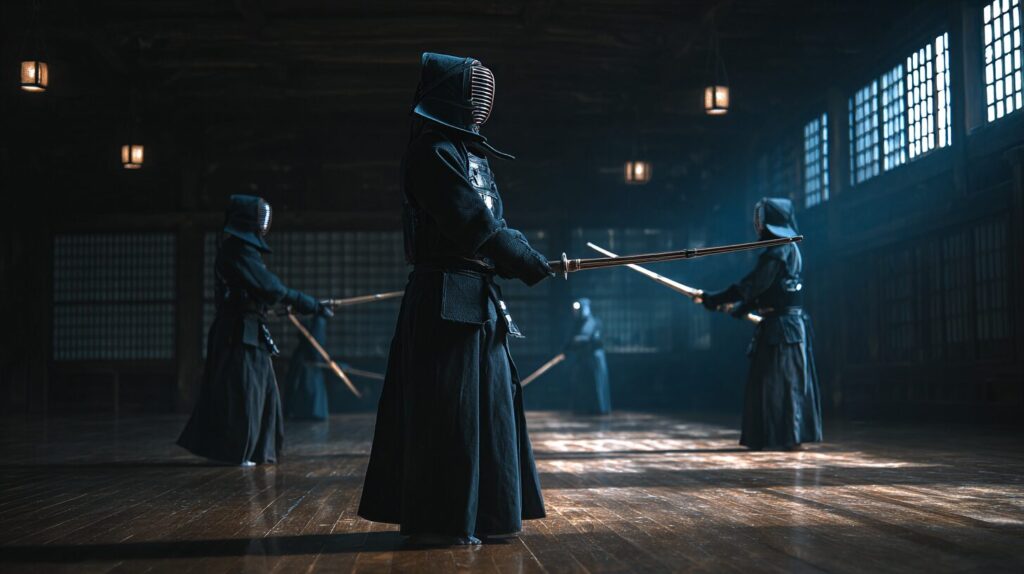
Noma Dojo in Chiyoda Ward is one of Tokyo’s oldest active kendo training facilities, established in the 1930s. The dojo runs a structured visitor experience three days a week (Monday, Wednesday, and Saturday mornings from 9am), limited to a maximum of four international visitors per session. The two-hour class begins with basic etiquette (rei — bowing protocol is non-negotiable in any serious dojo), moves through footwork and striking fundamentals with a shinai, includes fitting into bogu armor, and ends with supervised jigeiko (free practice matches) against junior students.
Cost is ¥6,000 per person, paid in cash at the dojo. Everything needed — shinai, bogu armor, uniform — is provided, though wearing a cotton undershirt is strongly recommended as the armor retains heat. The session is conducted in Japanese by a senior instructor (8th dan) with translation support from a bilingual junior instructor. Reservations must be made by email at least one week in advance. This is the most authentic kendo experience available to international visitors in Tokyo and should be booked as early as possible — slots fill weeks ahead.
Judo — Tokyo: Kodokan International Training
The Kodokan in Bunkyo Ward is the headquarters of international judo — the sport was founded here in 1882 by Jigoro Kano, and the institute continues to operate as both a museum and an active training center. The Kodokan offers a structured International Training Program open to visitors with any level of judo experience, running Monday through Saturday from 4pm to 6pm.
Participation costs ¥1,000 per session — an extraordinarily low rate for access to the founding institution of an Olympic sport. You train alongside regular members of the Kodokan, which may include former national competitors. No bogu armor is required; you practice in a judogi (uniform), which the Kodokan can loan for an additional ¥500 fee if you don’t have your own. Register in person at the reception desk on the fourth floor before your first session — registration takes about 20 minutes and requires a passport. Medical conditions must be disclosed during registration. This is not a “tourist” session but a genuine participation in regular institutional training — treat it accordingly.
Aikido — Tokyo: Aikikai Hombu Dojo
Aikikai Hombu Dojo in Shinjuku Ward is the world headquarters of Aikido. Morning classes run daily at 6:30am, 8am, and 10am; evening classes run Monday through Friday at 5:30pm and 6:30pm. International visitors with existing aikido experience can attend classes directly — registration takes place at the dojo’s front desk and costs ¥3,000 for a day pass. A monthly membership for extended stays is available at ¥10,000.
Complete beginners are better served by one of the structured introductory sessions offered by smaller partner dojos affiliated with Aikikai — these run regularly in Shibuya and Roppongi and are specifically designed for visitors without prior experience. Prices range from ¥4,000 to ¥7,000. The key distinction: at Hombu Dojo you practice alongside serious students who have been training for years; at introductory partner sessions, the pace is adjusted for beginners. Choose based on your current level.
Karate — Osaka: Traditional Karate Academy
Traditional Karate Academy in Namba offers the most tourist-accessible karate experience in western Japan. One-hour introductory sessions run every Saturday and Sunday at 10am and 2pm, accommodating up to eight participants, at ¥5,500 per person. The curriculum covers basic stances (dachi), strikes (tsuki), and blocking techniques (uke), culminating in a short kata demonstration by a senior instructor.
Sessions are fully conducted in English by instructors with international competition backgrounds. No prior karate experience is required or expected. Participants wear casual sportswear — karate-gi uniforms are provided but optional. This is the most beginner-friendly martial arts tourist experience in the Osaka-Kyoto region and can be booked through the Academy’s website or via Airbnb Experiences with up to 24 hours’ notice. For families with children, a dedicated youth session runs Saturday mornings at 9am (¥3,500 per child).

Multi-Day Martial Arts Programs
For travelers with more time, several programs in Japan offer multi-day immersion training that goes significantly deeper than any single-session experience. The most respected of these for international visitors in 2026 is the Japan Martial Arts Society’s week-long camp, which rotates between Tokyo and Kyoto and runs twice per year in May and October. The camp covers kendo, aikido, and iaido (sword drawing art) in structured morning and evening sessions with licensed instructors, and includes accommodation at a traditional inn near the training facility. Cost is approximately ¥180,000 per person for the full week, including accommodation and meals.
A shorter alternative is the three-day Samurai Weekend Program offered by Kyoto Martial Arts Center, which focuses on kendo and iaido in a 16th-century dojo setting in eastern Kyoto. Cost is ¥85,000 including accommodation, meals, and full equipment loan. Both programs require advance booking of at least six weeks and have limited spaces — eight for the weekly camp, six for the weekend program.
Practical Advice Before You Book
Arrive 15 minutes early to any martial arts session in Japan. Lateness is considered a significant breach of dojo etiquette and, in some dojos, will result in being asked to observe rather than participate. Remove shoes before entering any dojo floor. If you’re unsure of the exact protocol on arrival, watch the senior students and follow their lead — this is always the correct approach in Japanese martial environments.
Physical fitness is less important than attitude. Japanese instructors at all serious dojos value sincere effort and respectful behavior far more than athletic ability. You will not be expected to perform at a high level; you will be expected to listen carefully, try your best, and follow instructions without complaint. Travelers who approach the experience with genuine curiosity rather than Instagram ambition consistently report the best outcomes.
If you have any injuries — particularly to shoulders, knees, or back — disclose these before the session. Martial arts training involves physical contact and falls, and instructors need to know about limitations to keep the practice safe for you and your partners. Most dojos will adapt the session accordingly without reducing its quality.