Many cheap akiya were built before 1981. Why does that specific year matter?
Question 3 of 5
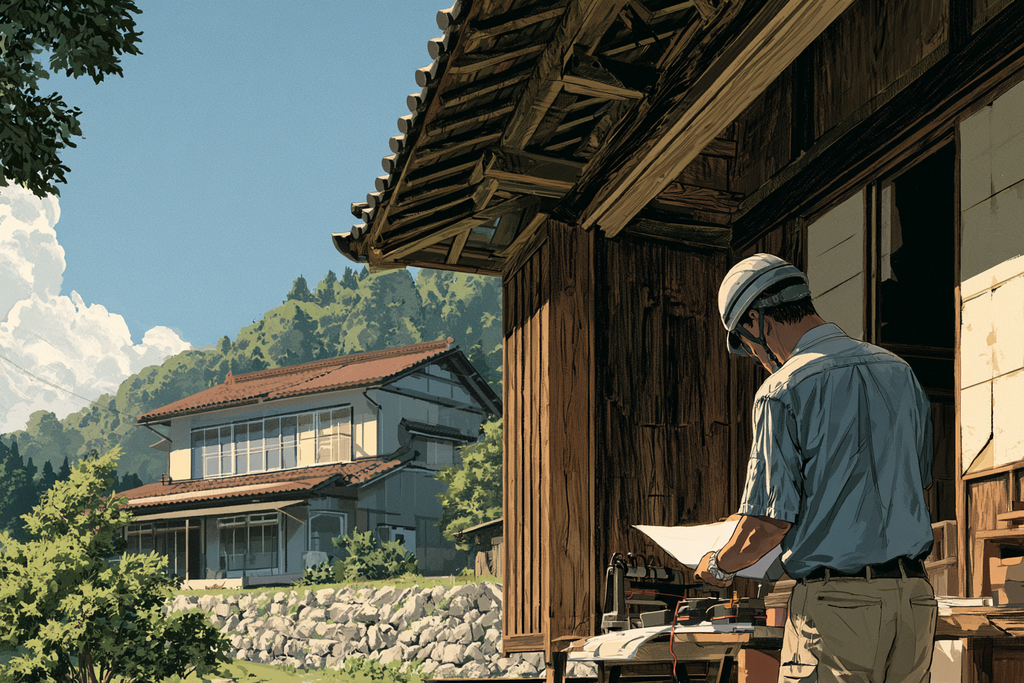
1981 marks the introduction of Japan's revised earthquake-resistance building standard (shin-taishin kijun), adopted after research following major seismic events. Houses built before that date may not meet current quake-resistance requirements, and banks, insurers, and future buyers often treat pre-1981 construction as a red flag. It can be harder to get earthquake insurance or a favorable resale valuation on these properties, and a costly structural retrofit (taishin hokyo) is sometimes needed, especially in older wooden akiya. Before purchasing, it's worth commissioning a structural inspection (kikai shindan) from a qualified professional, and disclosing the building's age and inspection status is required under Japan's real estate disclosure rules when you eventually resell.
Next question