If you demolish an old akiya to build something new, what commonly surprises buyers about their property tax bill?
Question 5 of 5
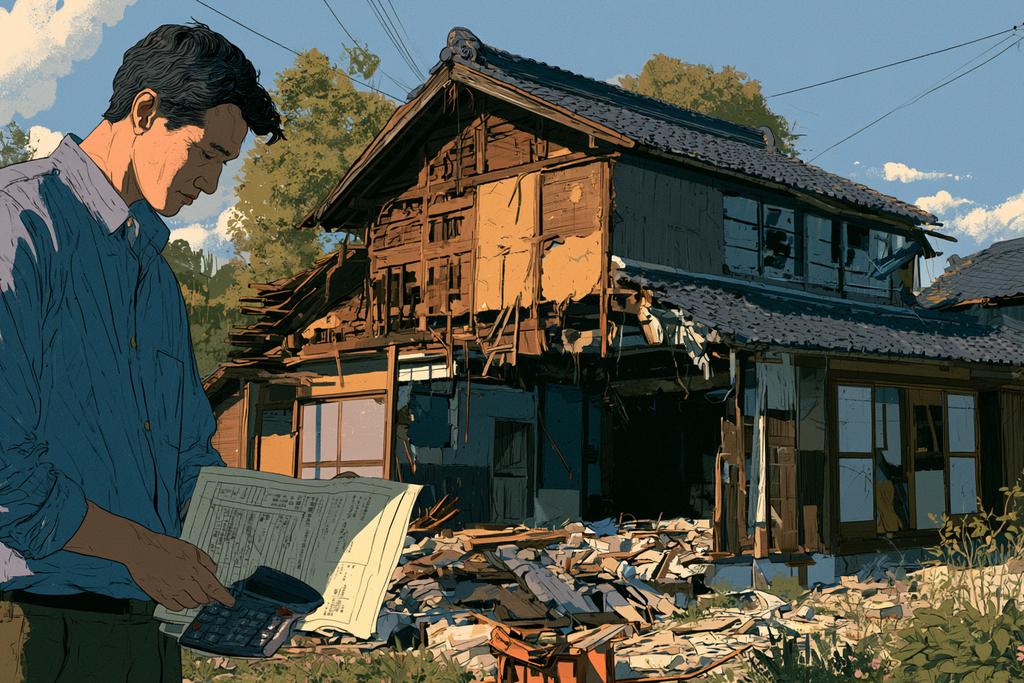
Japan's fixed asset tax (kotei shisan zei) includes a small-residential-land special reduction, cutting the taxable value by as much as five-sixths, but that discount only applies while a residential building stands on the lot. Demolishing the house removes the discount, which can sharply raise the land-only tax bill. This is a real reason so many derelict akiya remain standing across Japan: owners keep a crumbling house in place purely to preserve the tax break. The tradeoff is risk: leaving a structure too dilapidated can get it designated a "specified vacant house" (tokutei akiya) by the municipality, which can bring fines, loss of the tax reduction anyway, or a forced demolition order. Weighing this tradeoff before demolishing or holding is essential.
Next question