
Okinawa: Japan’s Hawaii – A Tropical Escape for International Travelers (2026 Guide)
great-tirp
great-trip


Okinawa, a subtropical island chain in southern Japan, has long fascinated scientists studying longevity. It is one of the world’s famous “Blue Zones,” regions where people regularly live past 100 while maintaining impressive levels of health and independence.
Researchers studying Okinawan elders discovered that their remarkable longevity is not just about genetics—it is strongly linked to diet and lifestyle. In particular, the traditional Okinawan diet is rich in anti-inflammatory and antioxidant foods, which help protect the body from chronic diseases such as heart disease, diabetes, and cancer.
So what exactly do Okinawan centenarians eat—and why does their diet work so well for healthy aging?

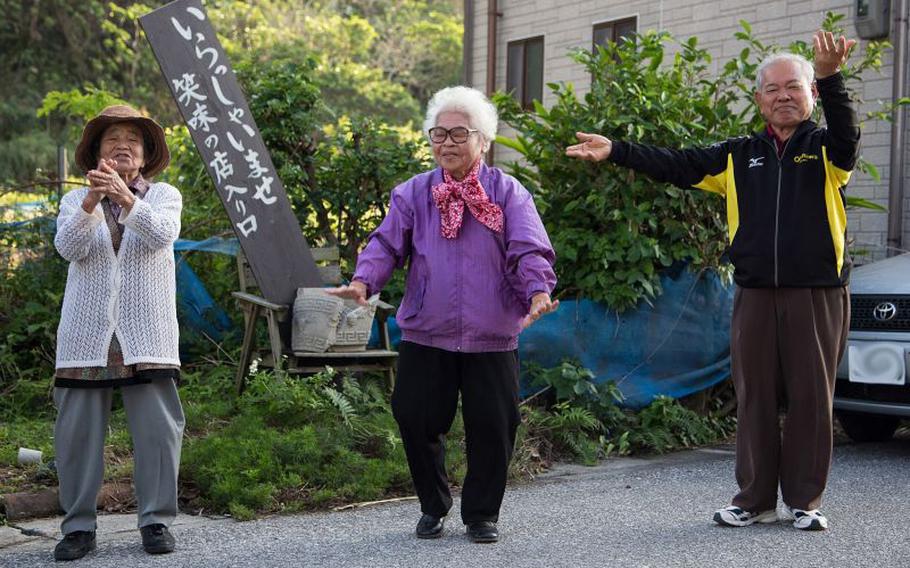
Okinawa has one of the highest concentrations of centenarians in the world. Many residents reach their 90s and 100s while remaining active, socially engaged, and mentally sharp.
For decades, scientists have studied what makes Okinawans so healthy. Their findings repeatedly point to a powerful combination of:
Among these factors, the traditional Okinawan diet plays a central role.
Unlike many Western diets, it is:
Historically, Okinawa’s cuisine developed from a combination of agriculture, island geography, and periods of limited resources.
Before World War II, Okinawans consumed small amounts of pork and fish along with vegetables. However, after the war, food shortages encouraged a shift toward plant-based foods that were easy to grow locally.
One crop quickly became dominant: sweet potatoes.
For decades, sweet potatoes supplied up to 70% of daily calories for many Okinawans. Combined with vegetables, seaweed, and soy foods, this created a diet that was extremely rich in micronutrients.
Another important cultural practice is hara hachi bu, a Confucian teaching that encourages people to eat until they are about 80% full. This habit naturally reduces calorie intake and may slow aging by lowering metabolic stress.

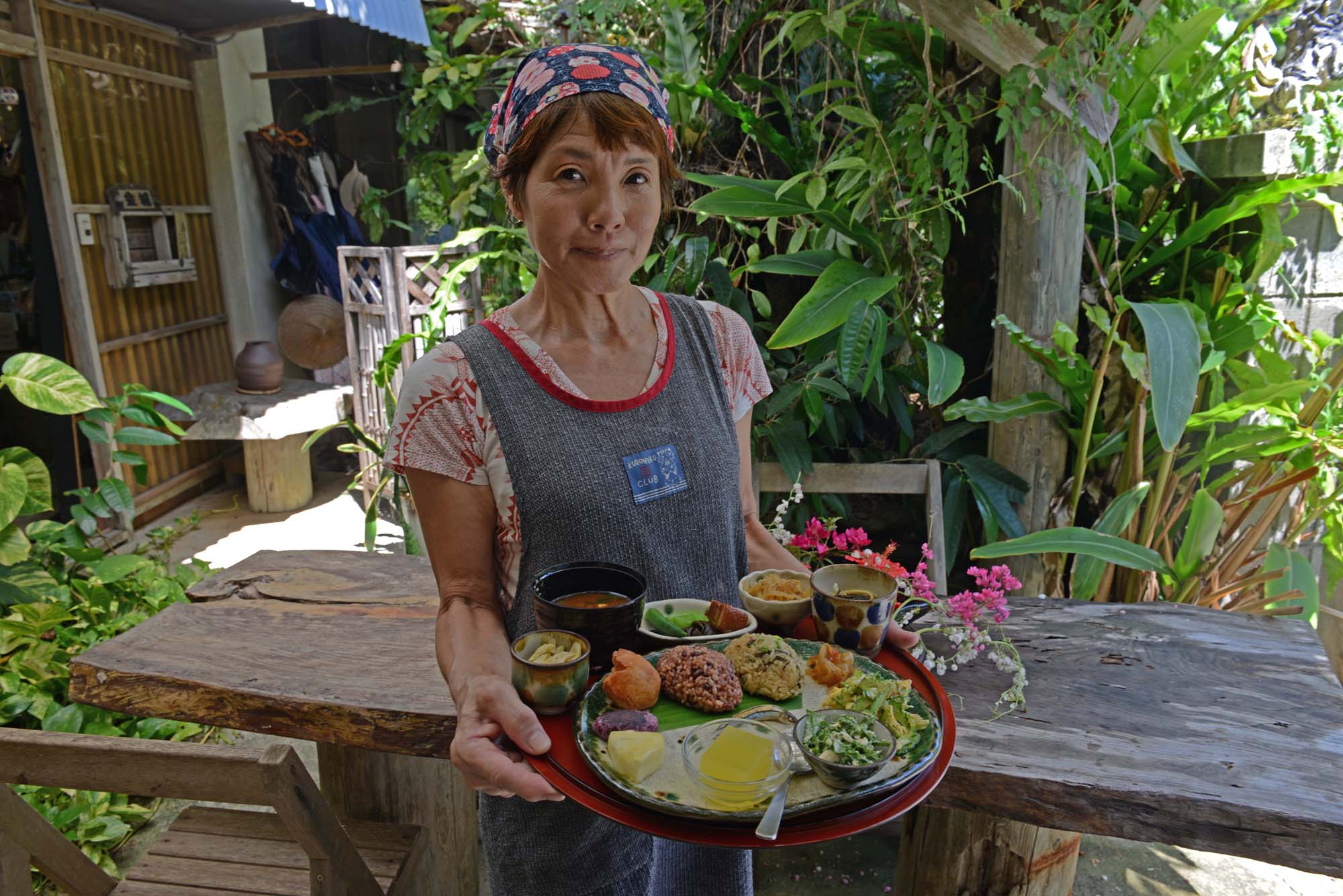
The traditional Okinawan diet is over 90% plant-based, with minimal processed food. Its nutritional profile provides a wide range of compounds known to fight inflammation.
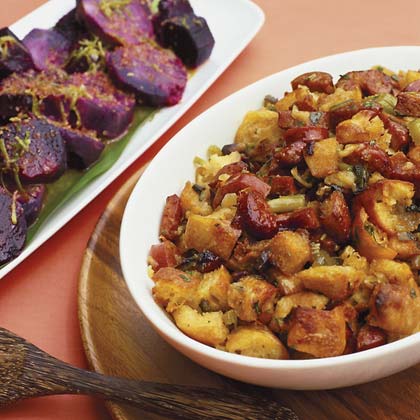
Purple Okinawan sweet potatoes are one of the most powerful foods in the diet.
They are rich in:
These compounds help reduce oxidative stress and inflammation while supporting immune health.
Okinawan cuisine features a wide variety of vegetables, including:
Bitter melon is especially famous for helping regulate blood sugar levels and reducing inflammation.
Soy foods such as:
contain isoflavones, plant compounds that support hormone balance and protect the cardiovascular system.
They also contribute to healthy skin and collagen production.
Sea vegetables such as:
are rich in minerals, iodine, and fucoidan, a compound studied for its anti-inflammatory and immune-supporting properties.
These foods also support gut health, which plays an important role in controlling inflammation.
Okinawan cuisine also includes powerful natural anti-inflammatory ingredients:
Both have been widely studied for their ability to reduce chronic inflammation and support long-term health.
Chronic inflammation is considered one of the major drivers of aging and many diseases, including:
The Okinawan diet helps counter these conditions through several mechanisms.
Okinawan foods are rich in vitamins and plant compounds that neutralize free radicals, reducing oxidative stress inside the body.
The diet contains very little meat or dairy, resulting in lower levels of saturated fat and healthier cholesterol levels.
Foods like sweet potatoes, vegetables, and legumes have a low glycemic index, preventing spikes in blood sugar and insulin.
Many Okinawan foods contain bioactive compounds that actively suppress inflammatory pathways in the body.
Together, these factors help explain why Okinawans historically had much lower rates of chronic diseases compared with Western populations.
The Okinawan lifestyle supports the diet’s benefits in important ways.
Many elderly Okinawans stay active through simple daily activities such as:
Social connections are also essential. Elders often belong to moai, small social groups that provide friendship and emotional support throughout life.
This strong sense of community helps reduce stress and promote mental well-being.
Combined with a nutritious diet, these habits create a powerful system for healthy aging.
The traditional Okinawan diet offers valuable lessons for the rest of the world.
Its principles are surprisingly simple:
In a world facing rising rates of chronic disease and aging populations, the Okinawan way of eating shows that longevity does not require complicated solutions.
Sometimes, the path to living longer—and healthier—starts with something as simple as a plate full of vegetables, sweet potatoes, and seaweed.