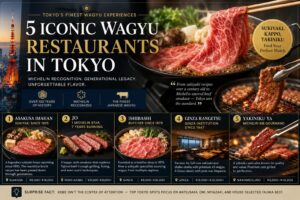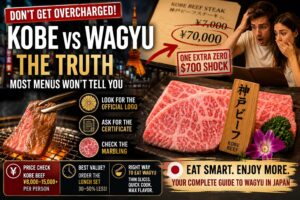
If you’re visiting Japan and planning one unforgettable luxury meal, it has to be Wagyu.
But here’s where many travelers get confused:
Is Wagyu the same as Kobe?
Is Matsusaka even better?
Why is one steak $80 and another $300?
They are NOT the same — and understanding the difference can completely change your experience (and your bill).
This guide explains:
- The real difference between Wagyu, Kobe, and Matsusaka
- How to spot authentic beef (avoid tourist traps)
- Where to eat in Kobe, Tokyo, Osaka, and Mie
- Budget options vs once-in-a-lifetime splurge
Let’s break it down clearly.
1️⃣ What Is Wagyu? (The Foundation)
Wagyu (和牛) literally means “Japanese cow.”
It refers to specific Japanese breeds — primarily Kuroge Washu (Japanese Black) — raised in Japan under strict standards.
Why It’s Special
- Extremely fine marbling (intramuscular fat)
- Melts at around 25°C (77°F)
- Rich umami flavor
- Buttery texture
Grading System (Important for Travelers)
Japan uses a strict system from the Japan Meat Grading Association:
- Grade: A–C (yield)
- Quality: 1–5
- A5 = highest grade
- BMS (marbling score): 1–12
A5 usually means BMS 7–12.
Price Range
¥5,000–¥15,000 per meal (A5 steak or yakiniku)
⚠️ Important: Many “Wagyu” products overseas are Australian or crossbred cattle. Real Wagyu = Japanese raised + traceable bloodline.
2️⃣ Kobe Beef (The Global Celebrity)
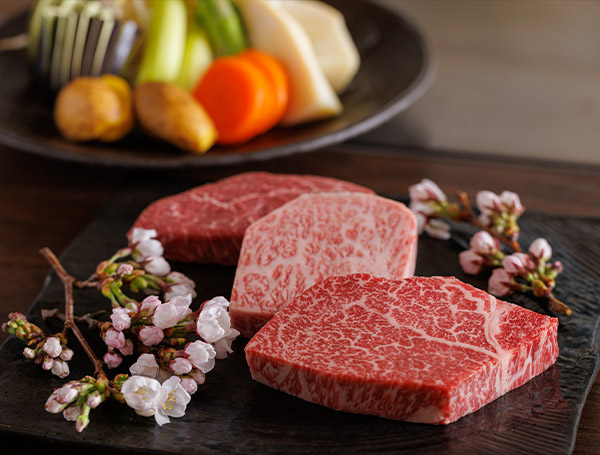
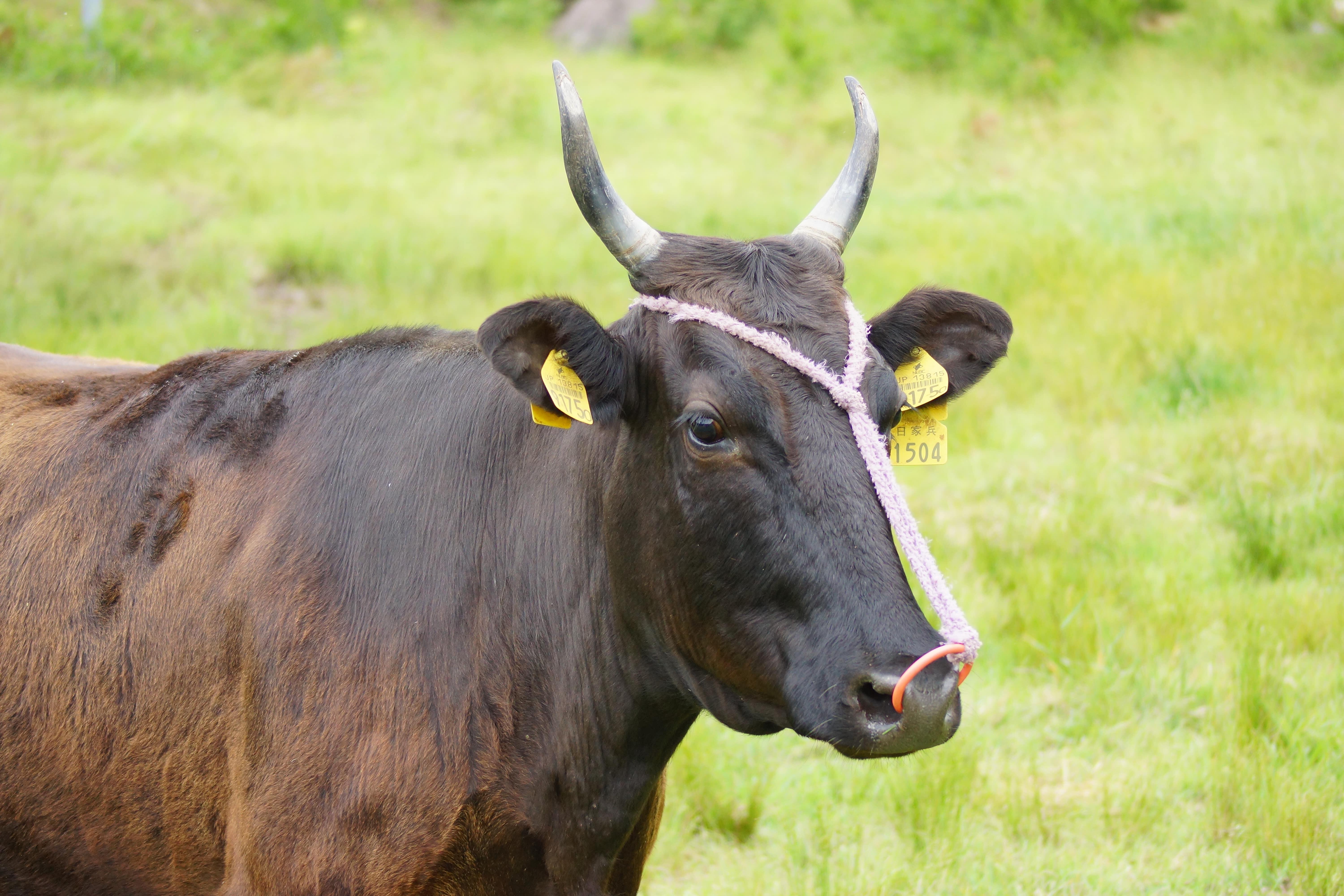
Kobe Beef is a brand of Wagyu — specifically Tajima cattle raised in Hyogo Prefecture.
It is regulated by the Kobe Beef Marketing & Distribution Promotion Association.
Strict Requirements
- Born, raised, and processed in Hyogo
- Tajima pure bloodline
- 28–60 months old
- Carcass weight under 470kg
- BMS 6+
- Yield grade 4–5
- Meat quality A or B
Only about 3,000–5,000 cattle qualify annually.
Taste Profile
- Elegant sweetness
- Balanced fat
- Clean finish
- Extremely refined
How to Verify Authentic Kobe
- “Nojigiku” chrysanthemum stamp
- 10-digit ID number
- Official certificate
- Association-approved restaurant
Where to Eat in Kobe
- Misono (origin of teppanyaki-style steak)
- Wakkoqu
- Mouriya
💰 Expect: ¥10,000–¥30,000+
Pro tip: Eating in Kobe is often cheaper than Tokyo.
3️⃣ Matsusaka Beef (Japan’s Secret Champion)


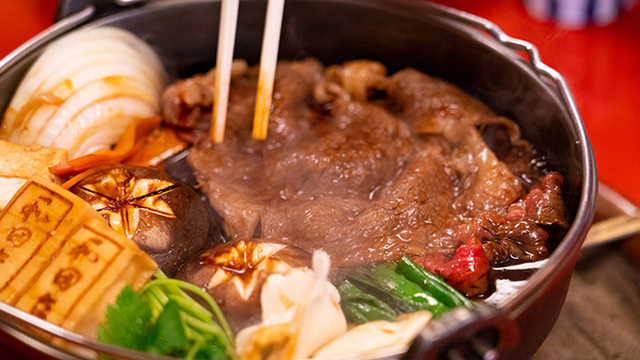
If Kobe is the celebrity, Matsusaka Beef is the connoisseur’s choice.
Produced only in Mie Prefecture (around Matsusaka city), it is widely regarded in Japan as the most luxurious beef.
What Makes It Unique
- Only virgin female cattle (never given birth)
- Raised for ~3 years (longer than most)
- Ultra-fine marbling
- Deep, rich beef flavor
Many Japanese food lovers consider it superior to Kobe.
Authenticity
- 10-digit ID (searchable database)
- Official Matsusaka certificate
- “Tokusan” labeling
Where to Eat
- Wadakin
- Dream Ocean Restaurant
- Rokkasen
- Matsusaka Gyu Yakiniku M
💰 Expect: ¥12,000–¥35,000+
Quick Comparison
| Category | Wagyu | Kobe | Matsusaka |
|---|---|---|---|
| Scope | Nationwide | Hyogo only | Mie only |
| Cattle | Multiple breeds | Tajima only | Virgin females only |
| Rarity | ★★★ | ★★★★★ | ★★★★★★ |
| Flavor | Rich, juicy | Elegant, sweet | Deep, intense |
| Price | ¥5k–15k | ¥10k–30k | ¥12k–35k+ |
Best Ways to Eat It
Teppanyaki – Chef cooks in front of you
Sukiyaki – Sweet soy broth
Shabu-shabu – Light and refined
Yakiniku – Grill it yourself
For first-timers: Teppanyaki is the most entertaining.
Budget Guide for Travelers
Luxury Experience
Kobe or Matsusaka full course → ¥20,000+
Smart Splurge
Tokyo lunch teppanyaki → ¥8,000–12,000
Comparison Course
Restaurants offering Kobe vs Matsusaka tasting
How to Avoid Fake “Kobe Beef”
- Ask for certificate
- Check 10-digit ID
- Visit association-recognized restaurants
Outside Japan, real Kobe is extremely rare.
So Which Should You Choose?
First time in Japan?
→ Kobe Beef (balanced, iconic)
Want the absolute peak experience?
→ Matsusaka Beef
Want volume + value?
→ A5 Wagyu yakiniku
Japanese beef isn’t just expensive meat.
It’s 400+ years of breeding tradition, craftsmanship, and culinary culture.
Are you Team Kobe or Team Matsusaka?
Let me know — I’ll create a “Wagyu Tasting Route in Japan” guide next.