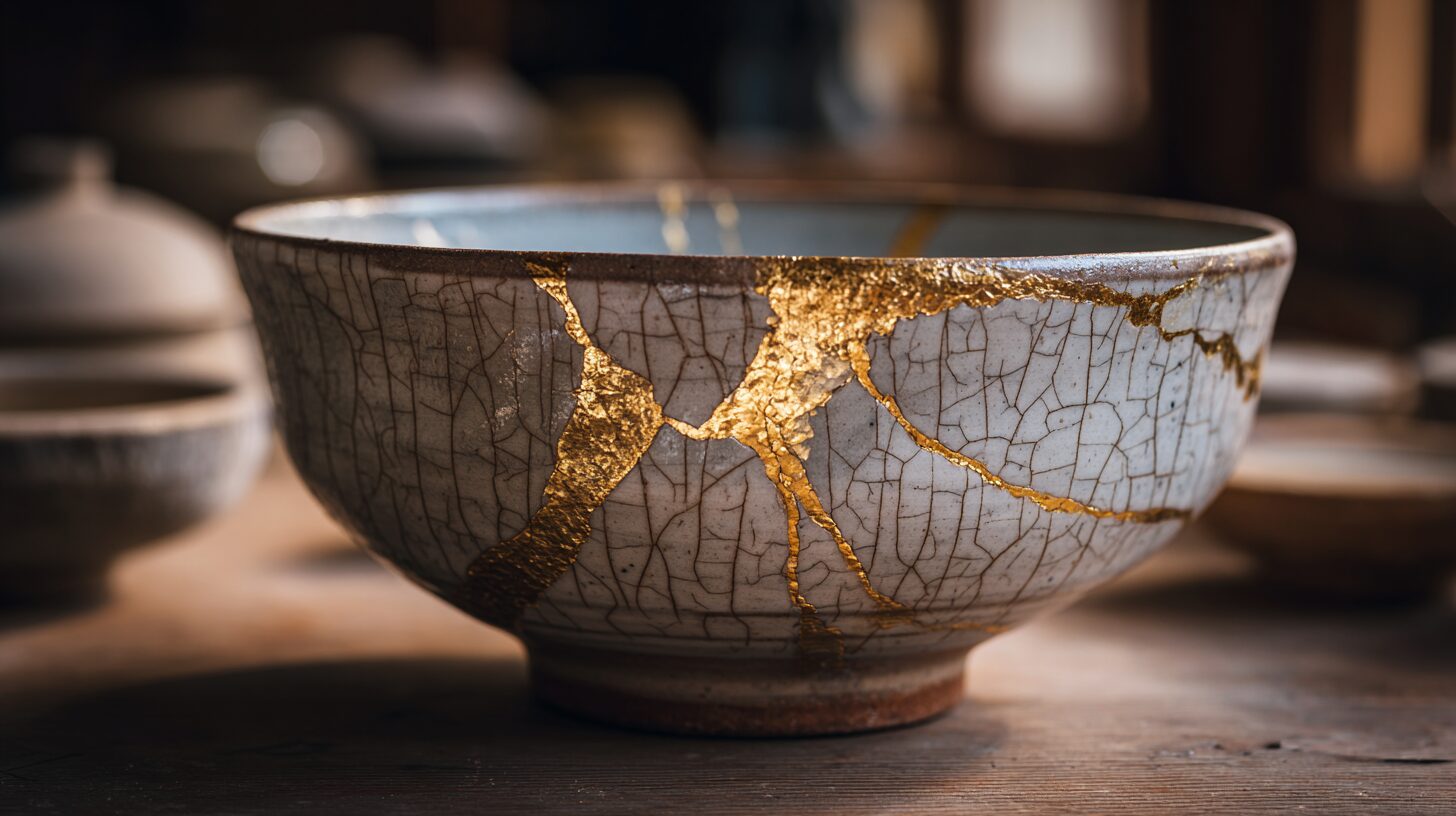
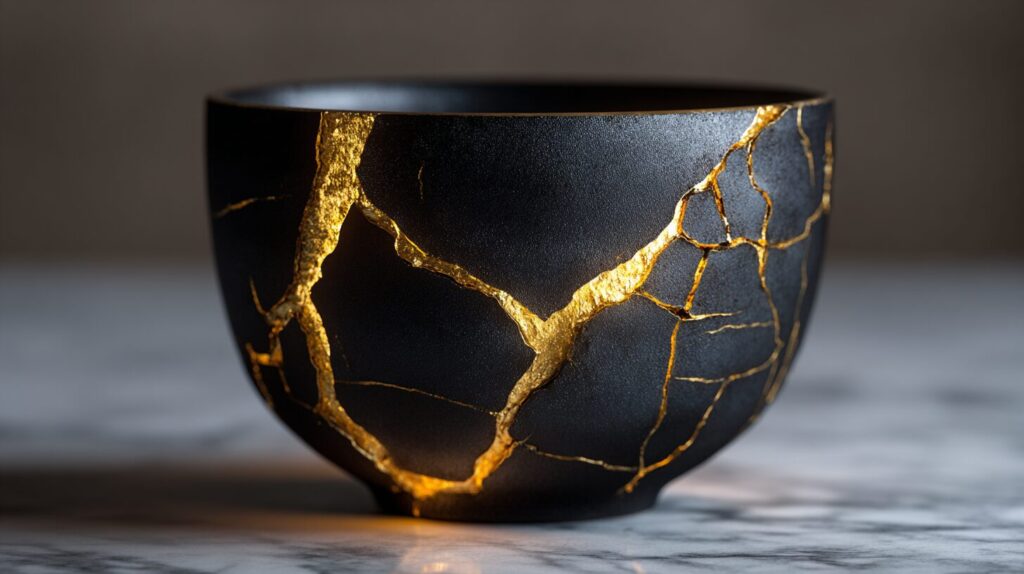
The instructor sets a cracked ceramic bowl on the table in front of me and says: “This is not broken. It is ready.” She explains that in Japanese aesthetics, the break is not a flaw to hide but a moment to honor. Kintsugi — literally “golden joinery” — is the practice of repairing broken pottery with lacquer mixed with powdered gold, silver, or platinum. The repair becomes the most beautiful part of the object.
I had come to the workshop expecting a crafts class. What I got was something closer to a philosophy lesson that happened to involve ceramics and a very small brush. By the end of the afternoon, the cup I had repaired — a plain thing I had smashed myself with a small hammer — was something I genuinely wanted to keep.
Kintsugi workshops have multiplied across Japan over the past five years as international interest in the practice has grown. In 2026, you can now find serious, properly taught classes in Tokyo, Kyoto, and several other cities — ranging from two-hour introductory sessions to multi-day intensives where you learn to mix your own urushi lacquer from scratch. Here is what you need to know before you book.

What Kintsugi Actually Is — and What You’ll Learn
Kintsugi dates to at least the 15th century, when Japanese craftsmen began using urushi lacquer — a resin tapped from lacquer trees — to repair broken ceramics rather than discarding them. The gold powder was added partly for beauty, partly because urushi lacquer on its own dries to a dark reddish-brown that could be mistaken for a crack rather than a repair.
Traditional kintsugi using genuine urushi lacquer takes weeks: the lacquer must be applied in layers and cured in a humidity-controlled environment between each coat. Most tourist workshops use a non-toxic synthetic resin that mimics urushi’s properties and cures within hours — this allows you to complete a repair and take the piece home on the same day. The aesthetic result is identical to the naked eye; the distinction matters mainly to collectors and purists.
What you will learn in a standard workshop: how to prepare a broken edge, how to mix the repair compound, how to apply it with a thin brush without creating air bubbles or gaps, how to dust with gold powder before the compound sets, and how to polish the finished seam. These are fine-motor skills that most people find surprisingly difficult the first time and satisfying once they begin to click.
Tezukuri Kintsugi Workshop — Tokyo (Asakusa)
Tezukuri Kintsugi Workshop in Asakusa is the most consistently reviewed English-language kintsugi class in Tokyo. Sessions run three hours (10am–1pm and 2pm–5pm, Tuesday through Sunday), with a maximum of six participants. The studio provides all materials: broken ceramic pieces to repair, repair compound, gold powder, brushes, and safety gloves. Cost is ¥9,800 per person, including one completed repair piece to take home.
The instructor, who has studied traditional urushi lacquerwork for over fifteen years, teaches in both Japanese and English. The pace is deliberately slow — you are not rushed through the steps, and the instructor will reset and re-demonstrate any technique as many times as needed. From Asakusa Station (浅草駅), the studio is a 7-minute walk toward Senso-ji Temple. Book at least 10 days in advance; weekend sessions fill quickly throughout the year.
Kyoto Kintsugi Classroom — Kyoto (Gion)
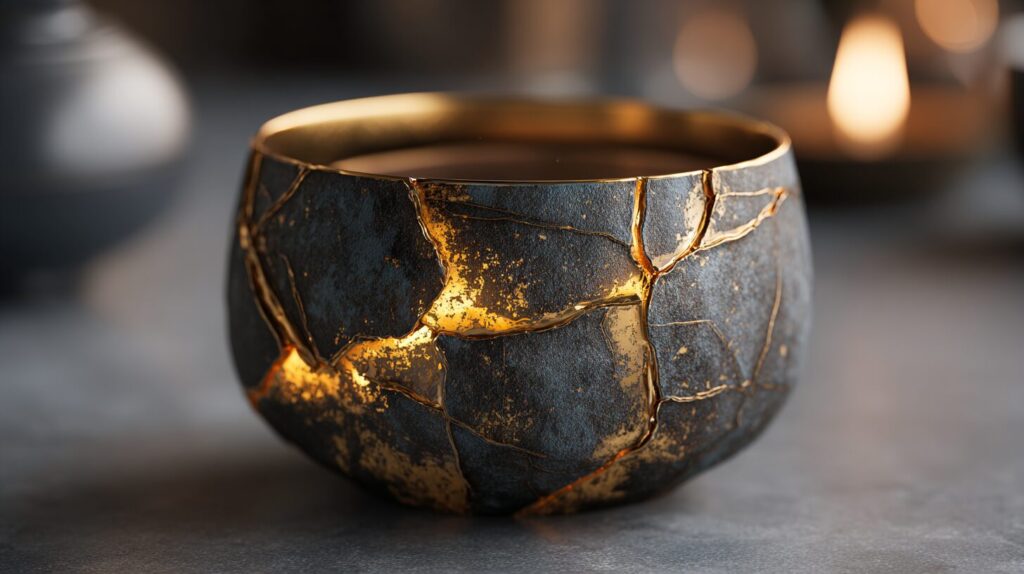
Kyoto Kintsugi Classroom sits on a quiet street in Gion, in a machiya townhouse that has been converted into a ceramics studio. The location alone is worth noting: you’re repairing pottery in a 150-year-old wooden building in Japan’s most historically preserved neighborhood. Sessions run 2.5 hours and accommodate up to eight students. Cost is ¥8,500 per person.
The Gion studio focuses on traditional aesthetics — participants are encouraged to think carefully about which break lines to emphasize rather than simply filling every crack. The instructor, trained in Kyoto’s lacquerwork tradition, will guide you through the decision-making process that a traditional craftsman would apply. This class is particularly suited to travelers with an existing interest in Japanese craft or aesthetics who want to understand the philosophy behind the technique rather than simply completing an activity. Book through their website or via Airbnb Experiences (listed in English).
Kogei Studio — Tokyo (Omotesando): Best for Small Groups
Kogei Studio in Omotesando offers the smallest class sizes of any kintsugi workshop in Tokyo: a maximum of four participants per session. This translates to a noticeably different teaching experience — the instructor can give extended individual attention and the pace can be adjusted around your progress rather than the group’s average. Sessions run 3.5 hours and cost ¥12,000 per person, which is higher than most alternatives but reflects the smaller group size and more comprehensive curriculum.
Kogei Studio also offers a two-day advanced session (¥22,000) where participants work with a closer approximation of traditional urushi lacquer under temperature and humidity control, completing a repair that requires overnight curing and refinishing the following morning. This is the only tourist-accessible kintsugi class in Tokyo that comes close to teaching the traditional multi-layer technique. From Omotesando Station (表参道駅), the studio is a 5-minute walk. Book 2–3 weeks ahead for the standard session; the two-day intensive requires advance inquiry by email.
Nishiki Market Kintsugi Experience — Kyoto (Nishiki)

For travelers who want a shorter, lower-commitment introduction to kintsugi, the Nishiki Market studio offers 90-minute sessions seven days a week at 10am, 1pm, and 3pm. Cost is ¥6,500 per person. The studio provides a pre-cracked ceramic piece (a small sake cup or rectangular plate) so you don’t need to break anything yourself. The repair technique used is a simplified version with a faster-curing compound, designed to let participants complete a single clean repair and leave with a finished piece.
This is not the deepest kintsugi experience available in Kyoto, but it’s the most accessible: no advance booking required (walk-ins accepted if space allows), no Japanese language ability needed, and the location within Nishiki Market makes it easy to fold into a half-day in central Kyoto. Think of it as an informed introduction rather than a proper class. If you enjoy it, the instructors can point you toward longer workshops in the city.
What to Bring and How to Prepare
Wear clothes you don’t mind marking. Repair compound and gold powder are not catastrophically messy, but occasional spillage happens and the compound stains fabric. Most studios provide aprons, but these are light cloth and don’t fully protect. Closed-toe shoes are standard in any Japanese studio environment.
Do not arrive with a specific piece from home expecting to repair it in the same session. The compound requires surface preparation time; if you have a cherished ceramic item from home, contact the studio in advance to arrange a consultation. Most studios can advise on whether your piece is suitable and plan a session around it — but this requires additional coordination and sometimes a premium rate.
If you’re visiting both Tokyo and Kyoto, consider doing the introductory session in Tokyo and the deeper class in Kyoto, or vice versa. The techniques are the same; what differs is the atmosphere, the teaching style, and the context in which you’re learning. Many travelers who do both find that the second session locks in skills that the first session started building.
Taking Your Finished Piece Home
A completed kintsugi repair using synthetic resin is safe to use with food and drink once fully cured — typically 24 hours after finishing. Traditional urushi lacquer is food-safe when fully cured but requires a longer cure time and should not be used in a microwave or dishwasher. Studios that use synthetic resin will specify care instructions when you pick up your piece.
Packing a ceramic piece for international travel requires care. Ask the studio staff for advice — most have experience helping travelers pack finished pieces and can provide appropriate wrapping materials. A repaired ceramic with visible gold seams is not a manufactured product and is unlikely to raise customs questions, but carry a receipt from the studio as proof of purchase. The finished piece is typically small enough to carry in hand luggage rather than checked bags, which reduces breakage risk considerably.