Why Japan Is the Only Place to Truly Eat Wagyu
Wagyu beef has gone global — you can find it on menus from New York to Dubai — but eating wagyu in Japan in 2026 remains a categorically different experience. The supply chain is shorter, the grading system is stricter, the cuts are more varied, and the chefs who specialize in it have spent careers understanding how to serve it at its absolute peak. If wagyu is on your Japan itinerary, this guide will help you eat it well at any budget.
A quick note on terminology: wagyu literally means Japanese cattle and refers to four specific breeds. The most prized — and the one you will encounter most — is Kuroge Wagyu (Japanese Black), the breed behind Kobe beef, Matsusaka beef, Omi beef, and Miyazaki beef. All Kobe beef is wagyu, but not all wagyu is Kobe beef. The distinction matters when you are spending serious money.

Understanding the Wagyu Grading System
Japanese beef is graded on two axes: yield grade (A, B, or C) and meat quality grade (1–5). The quality grade covers marbling, color, firmness, and fat quality. The highest designation — A5 — is what most people mean when they talk about premium wagyu. Marbling is scored separately on a scale of 1–12, with BMS 8–12 considered exceptional.
In practice: A4 wagyu is excellent and noticeably more affordable than A5. For first-time wagyu eaters, A4 yakiniku is often the better starting point — the fat is rich but not overwhelming, and the beef flavor comes through more clearly. A5 is for those who already know what they are after.
Budget Level 1: 2,000–5,000 Yen — Affordable Wagyu Done Right
Yakiniku Chain Restaurants
Japan’s yakiniku (grilled meat) chain restaurants are one of the best-kept secrets in affordable luxury dining. Chains like Gyukaku, Kintan, and Ushihachi serve certified wagyu cuts — including wagyu karubi (short rib) and wagyu rosu (sirloin) — at per-plate prices of 600–1,500 yen. A full meal with rice, salad, and drinks runs 2,500–4,000 yen per person.
The quality varies by chain and cut, but the experience — grilling your own meat over a charcoal or gas grill at the table — is authentically Japanese and genuinely delicious. Gyukaku alone has over 700 locations across Japan; finding one near any major station takes seconds.
Wagyu Lunch Sets at Mid-Range Restaurants
Many teppanyaki and steak restaurants that charge 20,000 yen and above per person at dinner offer wagyu lunch sets for 3,000–6,000 yen. These typically include a small wagyu steak (80–120g), rice, miso soup, salad, and dessert. The quality is the same beef served at dinner — the portion and atmosphere are the only differences. This is one of the highest value-per-yen experiences in Japanese dining.
Look for lunch set boards outside restaurants in Ginza, Nishi-Azabu, and Gion (Kyoto). Many do not list lunch menus online — walk the streets and look at posted boards from around 11:30am.
Wagyu Hamburger Shops
A growing category in 2026: specialty burger shops that use wagyu patties. Shogun Burger (multiple Tokyo locations) and Blacows in Harajuku use 100% wagyu beef in their patties. Prices run 1,500–2,500 yen per burger. Not a traditional format, but a legitimate way to taste the beef at an accessible price.
Budget Level 2: 8,000–20,000 Yen — The Sweet Spot for Wagyu Dining
Standalone Yakiniku Restaurants
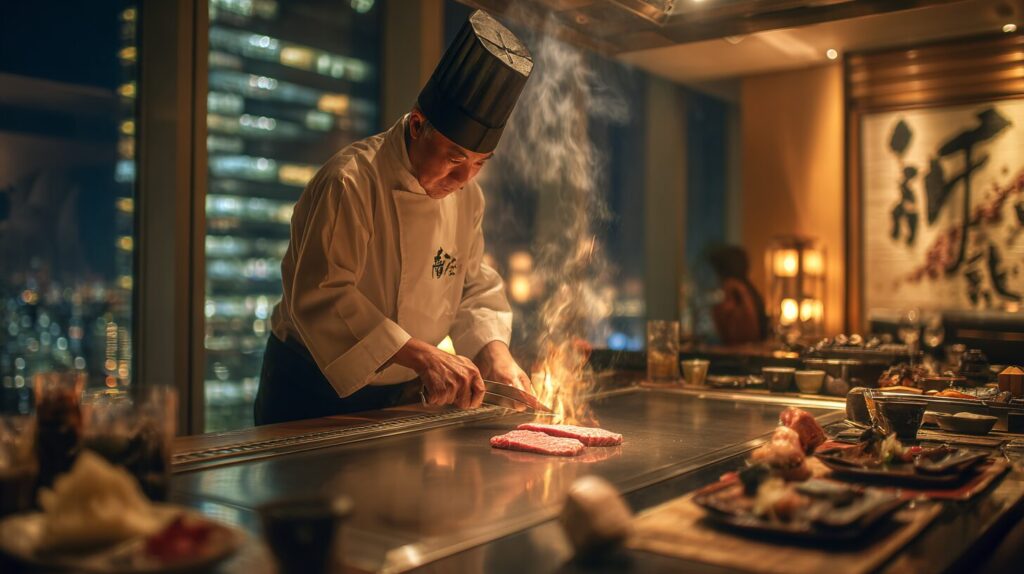
Step up from chains to independent yakiniku specialists and the quality leap is significant. Restaurants in this tier source specific regional wagyu — Miyazaki A5, Kagoshima A4, Omi beef — and offer a more curated cut selection. Expect tongue (tan), short rib (karubi), chuck roll (zabuton), and premium cuts like tochigi wagyu sirloin.
In Tokyo, areas like Nishi-Azabu, Ebisu, and Roppongi have strong concentrations of independent yakiniku restaurants in this price range. In Osaka, Namba and Shinsaibashi. In Kyoto, Gion. Reservations are recommended at weekends but walk-ins are usually possible on weekdays.
Sukiyaki — The Traditional Wagyu Experience
Sukiyaki is one of the oldest and most beloved ways to eat wagyu in Japan: thinly sliced beef simmered in a sweet soy-based broth with tofu, vegetables, and glass noodles, then dipped in raw egg before eating. The preparation is tableside, often by a kimono-clad server at traditional restaurants.
Mid-range sukiyaki restaurants in Tokyo (Imahan chain, Isegen in Shinjuku) offer set menus from 8,000–15,000 yen per person. The format is communal and unhurried — a sukiyaki dinner typically lasts 90 minutes or more. It is among the most culturally immersive wagyu experiences available at this price point.
Shabu-Shabu Wagyu
Similar in format to sukiyaki but with a lighter kombu (kelp) or dashi broth. Thinly sliced wagyu is swished briefly through the hot broth — shabu-shabu mimics the swishing sound — then dipped in sesame sauce or ponzu. The lighter broth lets the beef’s natural fat and flavor speak more clearly than sukiyaki’s sweeter sauce. Shabuzen and MO-MO-PARADISE are reliable mid-range chains; independent specialists in Ginza and Omotesando offer premium versions.
Budget Level 3: 25,000–80,000 Yen and Above — World-Class Wagyu Experiences
Teppanyaki at the Top Level
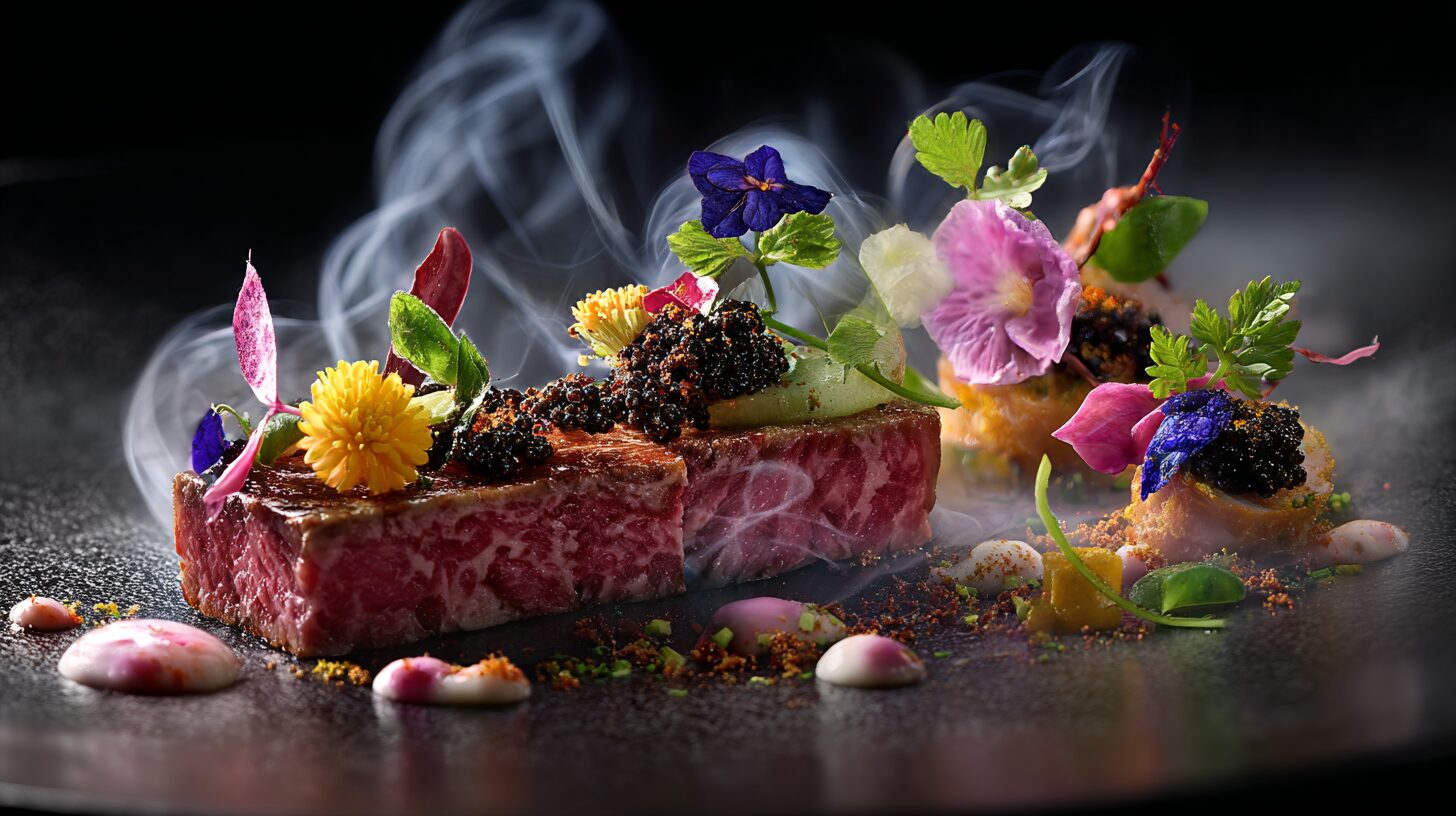
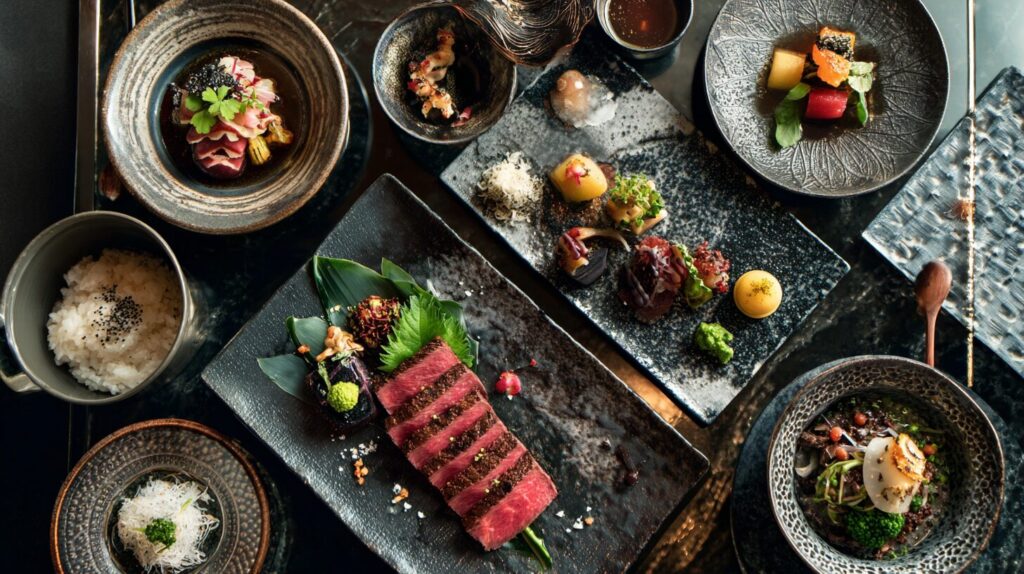
Japanese teppanyaki — wagyu cooked on an iron griddle by a chef working at your table — is a theatrical and delicious experience at its finest. Restaurants like Ukai-tei (Ginza and Omotesando), Mikasa (Osaka), and the teppanyaki restaurants inside Tokyo’s top hotels (Park Hyatt, Andaz, Palace Hotel) represent the pinnacle of the format.
At this level, you are eating A5 Kobe or Matsusaka beef — the most prized designations in Japan. Portion sizes are modest (100–180g of steak is typical in a full course), but every gram is extraordinary. Full courses with appetizers, seafood, vegetables, rice, and dessert run 30,000–60,000 yen per person. Reservations are essential and should be made weeks in advance.
Kobe Beef — In Kobe
True Kobe beef (certified Tajima-gyu cattle, raised in Hyogo Prefecture, meeting strict grading requirements) can only be eaten as Kobe beef when it is certified by the Kobe Beef Marketing and Distribution Promotion Association. In 2026, fewer than 5,000 cattle annually receive official Kobe certification — making it genuinely rare.
The best place to eat it is, logically, in Kobe. The Kitano and Sannomiya areas have numerous certified Kobe beef restaurants. Steak Land Kobekan is a reliable mid-range option (5,000–12,000 yen at lunch). Mouriya Honten is the classic splurge choice, open since 1885 (25,000–45,000 yen per person for dinner courses). Always look for the official Kobe Beef certification mark — restaurants that display it are serving the real thing.
Matsusaka Beef — Japan’s Most Expensive Wagyu
Matsusaka beef from Mie Prefecture is argued by many Japanese connoisseurs to be superior even to Kobe beef. Produced exclusively from virgin female cattle (which yield softer fat and more delicate flavor), Matsusaka has a devoted following and a price to match. Expect to pay 50,000–80,000 yen per person for a full Matsusaka beef dinner at a specialist restaurant in Matsusaka city or at the handful of Tokyo restaurants certified to serve it.
Regional Wagyu Worth Seeking Out
Miyazaki Wagyu (Miyazaki Prefecture): Multiple-time winner of Japan’s national wagyu competition. More widely available and slightly more affordable than Kobe or Matsusaka. Excellent fat quality with a slightly lighter flavor profile.
Omi Beef (Shiga Prefecture): Japan’s oldest branded wagyu, with records of production dating to the Edo period. Particularly well-suited to sukiyaki. Available in Kyoto and Shiga restaurants.
Yonezawa Beef (Yamagata Prefecture): One of Japan’s three great wagyu alongside Kobe and Matsusaka. Rich, deeply flavored, and less internationally known — which means lower prices and fewer tourist crowds at specialist restaurants.
Practical Tips for Eating Wagyu in Japan 2026
Less is more. Wagyu’s extraordinarily high fat content means a 150g A5 steak is more satisfying than a 400g conventional steak. Order smaller portions than you think you need — especially at high-end teppanyaki and sukiyaki restaurants where multiple courses precede the main beef.
Book ahead for top restaurants. The best teppanyaki counters, sukiyaki specialists, and certified Kobe beef restaurants fill up 2–4 weeks in advance, especially on weekends. Use Tableall, Pocket Concierge, or Omakase booking platforms, which specialize in English-language reservations at premium Japanese restaurants.
Ask about the beef’s origin at any restaurant. Reputable restaurants will tell you exactly which prefecture and breed they are serving. If staff cannot answer this question, that is useful information about the quality tier you are in.
Pair with Japanese whisky or sake. Both cut wagyu’s richness beautifully. A highball (whisky and soda) is the classic pairing at yakiniku; a dry junmai daiginjo sake is ideal with teppanyaki or sukiyaki courses.
Whether you spend 3,000 yen at a yakiniku chain or 60,000 yen at a Ginza teppanyaki counter, eating wagyu beef in Japan in 2026 is one of the most rewarding culinary experiences available anywhere in the world. Start with the lunch set at a restaurant you cannot otherwise afford — and work your way up from there.