Beyond the Crossing: Shibuya’s Secret Side
Shibuya Crossing is the most photographed intersection on earth. Shibuya 109 has appeared in countless travel magazines. And yet, the vast majority of visitors to this district spend 90% of their time within a 500-meter radius of the station — completely unaware of the quieter, stranger, and far more interesting Shibuya that exists just a few minutes’ walk away.
This guide covers 10 spots that consistently fly under the tourist radar in 2026. Some are architectural, some are culinary, some are pure atmosphere. All of them are worth your time.
1. Nonbei Yokocho — The Alley of Time
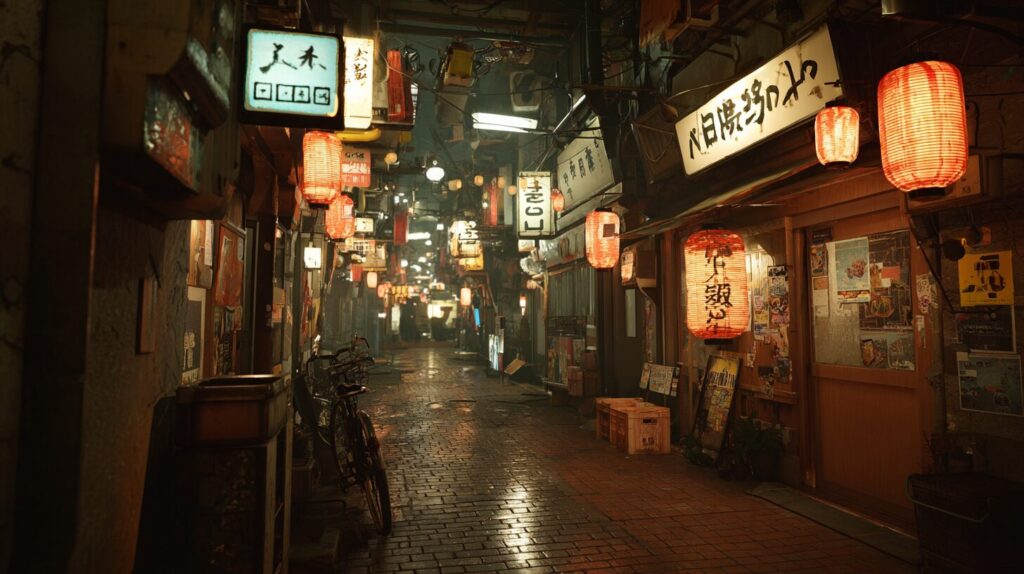
Literally translated as Drunkard’s Alley, Nonbei Yokocho is a narrow lane running parallel to Meiji-dori, less than a 3-minute walk from the north exit of Shibuya Station. Packed with tiny bars and restaurants — some seating fewer than eight people — the alley has an almost cinematic atmosphere, especially after dark when paper lanterns light up the wooden facades.
A handful of spots here have been operating for over 40 years. Duck into any bar without a reservation; the rule here is informal. Expect craft beer, yakitori, and the occasional jazz soundtrack drifting out of a doorway. This is local Shibuya as it existed before the redevelopment boom.
2. Daikanyama T-Site — Tokyo’s Most Beautiful Bookstore Complex
A 10-minute walk from Shibuya Station (or one stop on the Tokyu Toyoko Line to Daikanyama Station), T-Site is a complex of three interconnected bookstore buildings. The buildings — covered in a lattice of the letter T — are stunning, and the interior is one of the most thoughtfully curated retail spaces in the world.
Beyond books, T-Site stocks vinyl records, photography equipment, travel gear, and design objects. The attached Anjin lounge — a library-bar hybrid with thousands of vintage magazines — is perfect for a slow afternoon coffee. Tourists almost never make it here; locals consider it one of Shibuya’s greatest assets.
3. Shibuya Stream Rooftop — A View No One Talks About

Shibuya Stream is one of the major new developments that transformed the district after 2018, but while most visitors focus on Shibuya Sky (the observation deck atop Scramble Square), the rooftop terraces of Shibuya Stream offer river views, far fewer crowds, and free access. The Shibuya River runs along the building’s base, and the terraced outdoor spaces along the riverbank are genuinely pleasant — a rare green, open area in one of Tokyo’s densest zones.
The ground-floor area along the river is lined with cafes with outdoor seating — essentially unheard of in central Tokyo — and the atmosphere on a clear day is completely unlike the sensory overload of the Crossing just minutes away.
4. Toguri Museum of Art — A Hidden World of Ukiyo-e
Tucked into a quiet residential block in Shoto (one of Shibuya’s most exclusive addresses), the Toguri Museum of Art holds one of Japan’s finest private collections of ukiyo-e woodblock prints. The building itself is understated — easy to walk past — but inside, rotating exhibitions draw from a collection of over 7,500 pieces including major works by Hiroshige, Hokusai, and Utamaro.
Admission is 1,000 yen. On any given weekday you may share the galleries with only a handful of other visitors. It is one of the most peaceful cultural experiences available in central Tokyo.
5. Shinsen and the Quiet Streets of Shoto
Shoto is the residential district immediately west of Shibuya’s commercial center, and it feels like a different city. Wide, tree-lined streets pass by embassies, old-money mansions, and the occasional art gallery. The Shoto Museum of Art (free admission) is here, as is a small but excellent independent coffee scene centered around the Shinsen Station area.
Walking from Shibuya Station through Shoto to Daikanyama is one of the most pleasant 30-minute walks in Tokyo. It requires zero navigation skill — just head uphill toward the residential blocks — and delivers an almost complete contrast to the chaos of the Crossing.
6. Shibuya Hikarie — The 8th Floor Nobody Visits
Hikarie is visible from the station and attracts plenty of shoppers on its lower retail floors, but the 8th floor — branded simply as 8/ — is consistently overlooked. It is a cultural space housing galleries, a creative lounge, and temporary exhibitions by Japanese designers and artists. Entry is free. The view from the 8/ terrace looks directly over the Scramble Crossing — arguably the best free viewing angle available anywhere in Shibuya.
7. Log Road Daikanyama — An Outdoor Retail Street Worth Knowing
Built on a former railway track between Shibuya and Daikanyama, Log Road is an open-air collection of curated shops and restaurants set along a landscaped promenade. The mix of brands skews toward quality outdoor gear, lifestyle goods, and independent food concepts. Spring and autumn visits are especially recommended when the surrounding greenery is at its best. Almost no tour guides mention it; locals use it regularly.
8. Fuglen Tokyo — World-Class Coffee from Oslo
Fuglen is a Norwegian coffee and cocktail bar that opened in Tomigaya (a quiet Shibuya neighborhood bordering Yoyogi Park) and became one of the most influential coffee spots in Tokyo’s now-legendary third-wave coffee scene. The interior is filled with mid-century Scandinavian furniture — all of it for sale — and the espresso is exceptional by any global standard.
Tomigaya itself is worth exploring: a cluster of low-rise streets with independent bakeries, natural wine bars, and a farmers’ market by Yoyogi Park on weekends. This is the Shibuya that design-conscious Tokyo residents actually inhabit.
9. Shibuya Gold — Underground Culture After Midnight
For visitors interested in Tokyo’s nightlife beyond the tourist-facing clubs of Roppongi, Shibuya Gold is one of the city’s most respected underground venues. Located in a basement in the Maruyamacho area (a short walk uphill from the station), Gold programs electronic music, jazz, and experimental nights with a crowd that skews local and knowledgeable. The sound system is exceptional. Cover charges typically run 2,000–3,500 yen.
Maruyamacho itself — Shibuya’s traditional nightlife district — is worth a slow evening walk. The area has been undergoing gradual renovation but retains a gritty, layered energy that the newer parts of Shibuya have lost.
10. Kyu Asakura House — A Meiji-Era Villa Hidden in Plain Sight
This one genuinely surprises almost everyone. A 10-minute walk from Daikanyama Station, the Kyu Asakura House is a designated Important Cultural Property — a beautifully preserved traditional Japanese villa and garden built in 1919. It sits behind a wooden gate on an otherwise ordinary street, and entry costs just 100 yen.
The tatami rooms, veranda, and carefully maintained garden offer a rare window into the domestic life of Taisho-era Tokyo elite. Visit on a weekday morning and you may have the entire property to yourself. It is, without question, one of the most underrated historical sites in the entire city.
How to Build Your Hidden Shibuya Day
Start with coffee at Fuglen in Tomigaya. Walk through Shoto toward Daikanyama, stopping at the Toguri Museum. Browse T-Site, then lunch along Log Road. Head back toward the station via Nonbei Yokocho (it opens from the evening, but the alley is photogenic any time of day). End at Shibuya Hikarie’s 8th floor to watch the Scramble Crossing from above as the evening rush begins. That is a full, rewarding Shibuya day that most visitors to Tokyo will never experience.