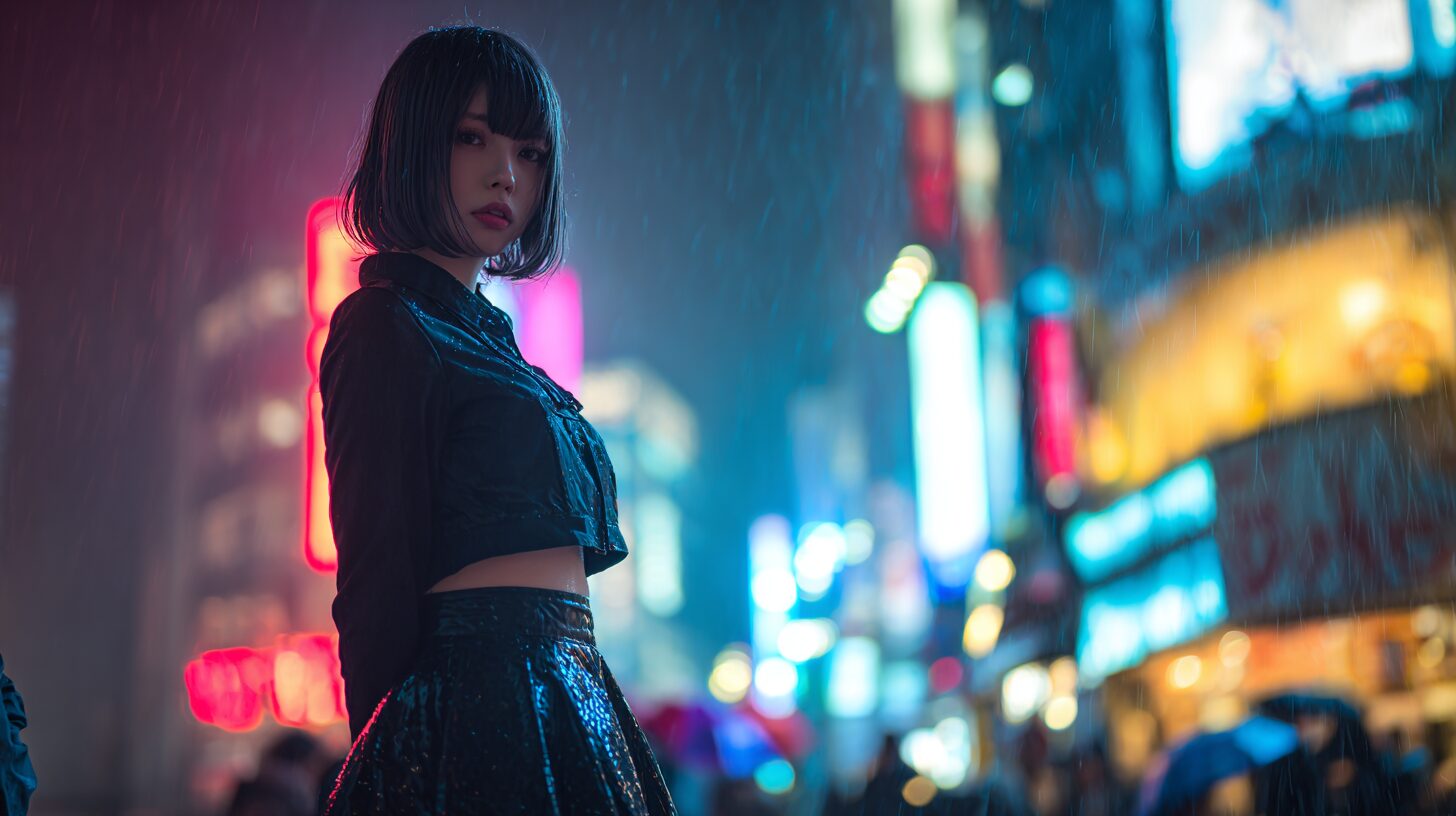
Standing at Shibuya’s scramble crossing at 11pm, with rain starting to fall and the neon signs bleeding color across the wet pavement, I finally understood why the Shibuya Incident Arc hit differently than anything else in shonen anime. This is a real place. That geometry of crossing pedestrian paths, those specific building shapes, the way the crowd moves in every direction — Gege Akutami drew it from life, and the animators at MAPPA rendered it with uncomfortable precision.
Jujutsu Kaisen (呪術廻戦) is unusual among action anime in its relationship to real geography. The series doesn’t just use Japan as a backdrop — it uses specific, identifiable corners of Tokyo, Sendai, and Kyoto, rendered with enough accuracy that fans can stand in the exact spot where a scene was composed and feel the deliberateness of the choice. This guide covers those spots, how to reach them, and how to build a practical 2026 itinerary around them.

Shibuya — Ground Zero of the Incident Arc

The Shibuya Incident Arc (渋谷事変), which covers the climax of Season 2, is set almost entirely in and around Shibuya Station. The series depicts the underground B2 concourse, the station’s south exit plaza, the scramble crossing, and Dogenzaka slope with a level of detail that makes scene-matching straightforward for prepared visitors.
Start at the scramble crossing (渋谷スクランブル交差点). The best vantage point for the most recognizable framing is from the southwest corner near the Shibuya Mark City pedestrian bridge — look northeast toward the Tsutaya sign. This matches the establishing shots from multiple key scenes. At night, with rain or immediately after, the neon reflections on the crossing reproduce the anime’s color palette almost exactly.
Dogenzaka (道玄坂) slopes upward from the south exit, lined with izakayas, live music venues, and the dense urban atmosphere the series uses for background texture. Walking it slowly at dusk, before the dinner crowds fill the outdoor seats, gives the clearest sense of how the animators selected and compressed real geography for narrative effect. Access: JR Shibuya Station (渋谷駅), Hachiko exit — the scramble crossing is a 90-second walk west.
Shinjuku — Gojo’s City

Shinjuku appears throughout the series as the city’s most atmospherically charged district. Kabukicho (歌舞伎町) and its satellite area Golden Gai (ゴールデン街) — 200 tiny bars crammed into six narrow alleys — inform the background design of late-night fight sequences and character conversations throughout multiple seasons.
Golden Gai is worth experiencing as its own destination. Each bar seats six to eight people, cover charges run ¥500 to ¥800, and the density of mismatched decor, hanging plants, and single-bulb lighting has no direct equivalent elsewhere in Tokyo. The JJK background artists clearly studied this visual texture — the way shallow depth and overlapping signage create atmosphere in a space the width of a hallway.
Hanazono Shrine (花園神社), a compact Shinto shrine immediately adjacent to Kabukicho’s neon, appears in several anime backgrounds and is photographically striking for the contrast between red torii gates and fluorescent signage. Free to visit, open continuously. From Shinjuku Station east exit, it’s a 5-minute walk. Shinjuku Gyoen National Garden (新宿御苑) appears in contemplative scenes — its wide lawns offer visual breathing room against the urban intensity that dominates the rest of the series. Entry ¥500, closed Mondays.
Sendai — Yuji Itadori’s Hometown

Yuji Itadori (虎杖悠仁) is from Sendai, the largest city in Tohoku, roughly 90 minutes north of Tokyo by Shinkansen. The series references Sendai’s distinctive character — wide boulevards, the forested hill of the castle ruins above the city center, a regional-capital atmosphere distinct from Tokyo — without mapping individual locations as precisely as the Shibuya scenes do. The connection is worth making regardless.
Sendai Castle Site (仙台城跡, Aobajō) sits on Aoba Mountain with ruined stone walls and the Date Masamune equestrian statue overlooking the city. The combination of historical ruins and wide views gives the site a gravity that matches the series’ treatment of Sendai as a place with weight. Free to enter. From Sendai Station, buses run to the castle hill; alternatively a 20-minute uphill walk through residential streets. Kokubuncho (国分町), Sendai’s entertainment district, is the closest match to the atmospheric late-night streets depicted in Yuji’s hometown sequences.
Practical note: the Tohoku Shinkansen (東北新幹線) from Tokyo to Sendai costs approximately ¥11,000 unreserved or is covered by the JR Pass. The Hayabusa trains make the journey in 90 minutes. Sendai’s local specialty is beef tongue (牛タン), available at restaurants in Sendai Station’s basement at lunch and dinner.
Kyoto — The Sister School Exchange Event
The Kyoto arc introduces the Kyoto Prefectural Jujutsu High and depicts the city’s locations with meaningful accuracy. The Kyoto Prefectural Botanical Garden (京都府立植物園) is the clearest real-world reference — its greenhouse complex and central lawns appear in multiple scenes from the Exchange Event arc, and visiting with the relevant episodes in mind makes the location choice feel completely deliberate. Entry ¥200. Open 9am to 5pm, closed Mondays. From Kitayama Station (北山駅) on the Karasuma subway line, it’s a 3-minute walk.
Fushimi Inari Taisha (伏見稲荷大社), the mountain shrine with thousands of red torii gates forming continuous tunnels up a forested hillside, informed several of the dimensional-space visual sequences in the series. The nighttime atmosphere — gates lit softly, the sound of the city disappearing as you climb — is unlike anything else in the Kyoto tourist circuit. Free to enter, open 24 hours. From Inari Station on the JR Nara Line, it’s a 2-minute walk.

Tokyo: Skytree, Asakusa, and the East Side

The Sumida Ward area around Tokyo Skytree (東京スカイツリー) appears in establishing shots and chapter cover art throughout the manga, used as a contemporary Tokyo skyline shorthand. The elevated walking bridges along the Sumida River looking back toward the tower, and the view from Asakusa’s Senso-ji area at dusk, reproduce the specific angles used in the manga’s urban compositing.
Senso-ji Temple (浅草寺) and the Nakamise shopping street appear in character downtime scenes. The combination of paper lanterns, incense smoke, and the sudden transition from souvenir stalls to quiet temple grounds makes this one of Tokyo’s most visually concentrated experiences. The Kaminarimon gate is most photogenic before 8am or after 9pm. From Asakusa Station (浅草駅) on the Ginza or Tobu lines, the temple is a 5-minute walk northeast.
Building Your 2026 JJK Pilgrimage Itinerary
A focused Tokyo-only pilgrimage takes three days. Day 1: Shibuya scramble crossing (daytime orientation and evening photography), Dogenzaka at dusk, Shinjuku Golden Gai after 8pm. Day 2: Shinjuku Gyoen in the morning, Skytree and Asakusa in the afternoon, return to Shibuya after 10pm for the wet-pavement neon experience. Day 3: day trip to Sendai by first Shinkansen, Aobajo and Kokubuncho, return by last train (~9:30pm).
Adding Kyoto extends the trip to five days and is strongly recommended for fans of the Exchange Event arc. The JR Pass (7-day, approximately ¥50,000) covers all Shinkansen travel between Tokyo, Sendai, and Kyoto with capacity for local JR trains within each city.

Merchandise and Practical Notes for 2026
JJK merchandise is concentrated in Akihabara (秋葉原) at Yodobashi Camera Akiba and specialty anime stores on Chuo Dori. For Shibuya, check the JUMP SHOP in Shibuya Scramble Square for current stock — it moves fast around new season releases. The Tower Records building on Inokashira Dori also carries a curated anime goods selection.
Shibuya scramble photography is most manageable on weekday mornings before 9am or any night after 10pm. The Starbucks above Tsutaya offers the most photographed aerial view — reserve a window seat online well in advance during peak season. The JJK Exhibition (呪術廻戦展) has toured major cities in recent years; check the official Shueisha events calendar for 2026 announcements, as temporary exhibitions align with season release windows.
IC card (Suica or Pasmo) covers all transit across Tokyo, Sendai, and Kyoto. Load ¥3,000 to ¥5,000 at any JR station machine. Google Maps transit directions are accurate for all rail and subway lines in all three cities.