Why Tokyo Is a Luxury Shopper’s Paradise in 2026
Tokyo consistently ranks among the top five luxury shopping cities in the world — and in 2026, the combination of a favorable yen exchange rate, an expanded tax-free system, and an unmatched density of flagship stores makes the case stronger than ever. Whether you are hunting for Japanese heritage brands, international luxury houses, or cutting-edge streetwear, Tokyo delivers at a scale no other city can match.
This guide focuses specifically on department store shopping — the backbone of Tokyo’s luxury retail scene — and the tax-free system that can save foreign visitors 10% on qualifying purchases.

Understanding Japan’s Tax-Free System in 2026
Japan’s consumption tax is 10%. Foreign visitors who have been in Japan for less than 6 months are eligible to purchase goods tax-free at participating retailers. Here is how it works in practice at department stores.
General Goods vs. Consumables
There are two categories under the tax-free system. General goods (clothing, bags, electronics, jewelry, watches) require a minimum spend of 5,000 yen per store per day. Consumables (cosmetics, food, drinks, pharmaceuticals) also require 5,000 yen minimum, but must be sealed and taken out of Japan — you cannot use them during your stay.
What You Need
Bring your passport to every purchase. Since 2023, most major department stores process tax exemptions electronically, linking purchases to your passport number directly — no more paper forms stapled into your passport. Keep your receipt; customs may inspect purchases at the airport.
How Much Can You Save?
On a 300,000 yen bag, tax-free saves you 30,000 yen (approximately 200 USD). On 500,000 yen in total purchases across a Tokyo shopping trip, you save 50,000 yen (approximately 338 USD). The savings are real and significant — always ask for tax-free processing at the register.
The Best Department Stores for Luxury Shopping in Tokyo
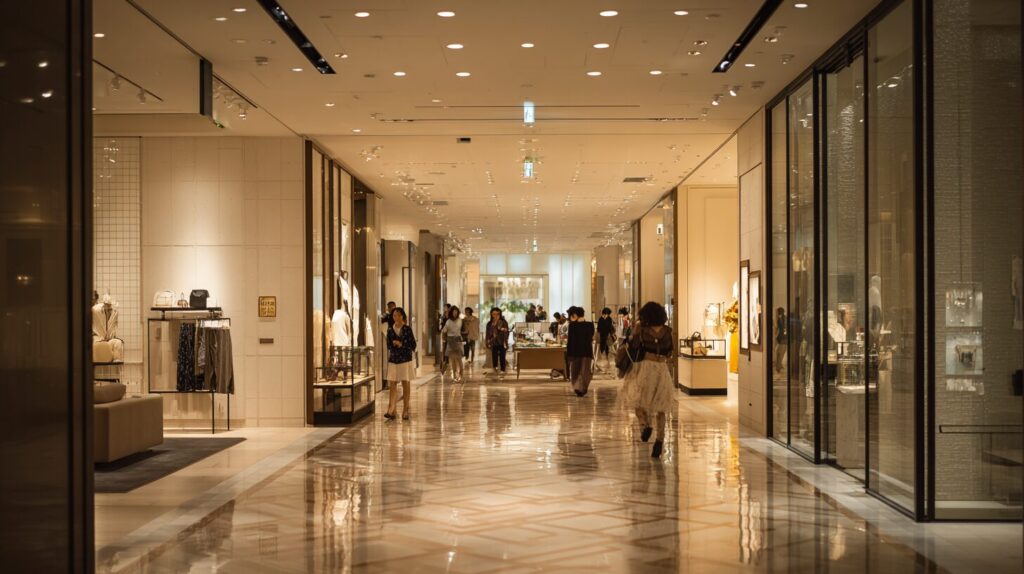
1. Isetan Shinjuku — The Undisputed King
Isetan’s main Shinjuku building is the most celebrated department store in Japan, and arguably one of the finest in the world. The women’s fashion floors are extraordinary — a curated mix of European luxury (Chanel, Dior, Bottega Veneta, Celine), Japanese designers (Comme des Garcons, Issey Miyake, Yohji Yamamoto), and emerging labels you will not find grouped this way anywhere else.
The basement food hall (depachika) alone is worth a visit. For luxury shopping, head to floors 2–6 in the Main Building. The Isetan Men’s building next door is equally impressive — widely considered the best men’s fashion department store in Asia.
2. Mitsukoshi Ginza — Classic Elegance in Tokyo’s Luxury District
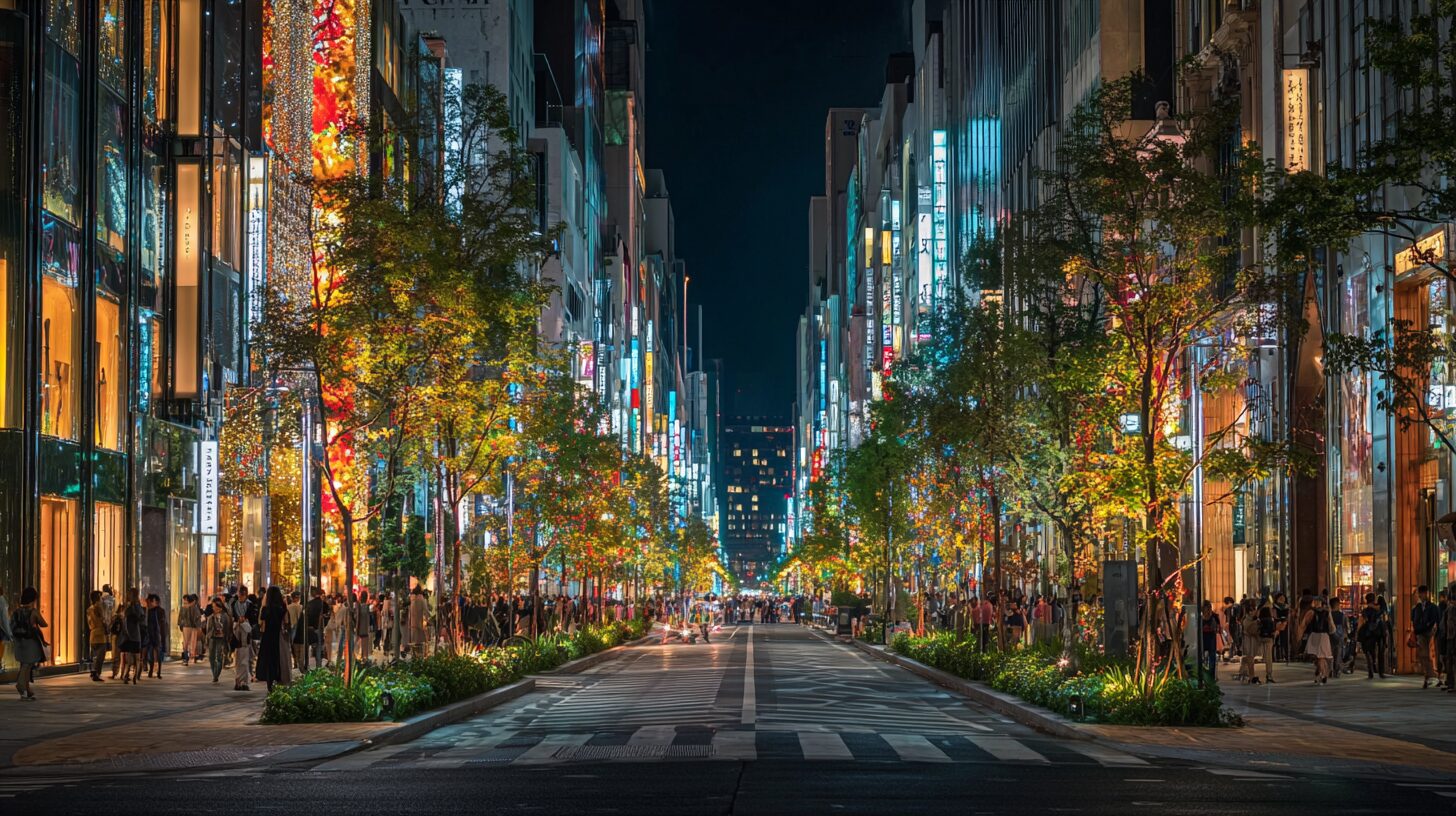
Ginza is Tokyo’s answer to Paris’s Avenue Montaigne or Milan’s Via Montenapoleone — a boulevard lined with flagship stores for every major luxury house. Mitsukoshi Ginza anchors the strip and offers one of the most refined department store experiences in the city.
Key floors: the 1F jewelry and watch hall features Rolex, Cartier, and Mikimoto. The 2F–4F cover international womenswear and accessories. The 7F art gallery regularly shows works by collectible Japanese artists — a unique touch that elevates the experience beyond pure retail.
3. Matsuya Ginza — The Connoisseur’s Choice
Smaller and more curated than Mitsukoshi, Matsuya Ginza is the preferred stop for shoppers who know exactly what they want. The accessories floor has an outstanding edit of leather goods, and the 6F lifestyle floor stocks Japanese craft items — ceramics, lacquerware, and knives — that make exceptional gifts and are fully eligible for tax-free purchase.
4. Takashimaya Times Square Shinjuku — Scale and Selection
If Isetan does not have it, Takashimaya Times Square likely does. This is one of the largest department stores in Japan by floor area, and its luxury brand lineup is comprehensive. Particularly strong for menswear, home goods, and Japanese traditional crafts. The connected Times Square building includes a Tokyu Hands and a Kinokuniya bookstore, making this a full half-day destination.
5. Barneys New York Lives On at Isetan
Barneys New York closed its US stores, but its Tokyo presence lives on through a dedicated floor at Isetan Shinjuku. The Barneys edit in Tokyo has long been considered superior to the original New York flagship — Japanese buyers are famously rigorous — and it remains one of the best multi-brand luxury floors in the city.
Beyond Department Stores: Flagship Stores Worth Visiting
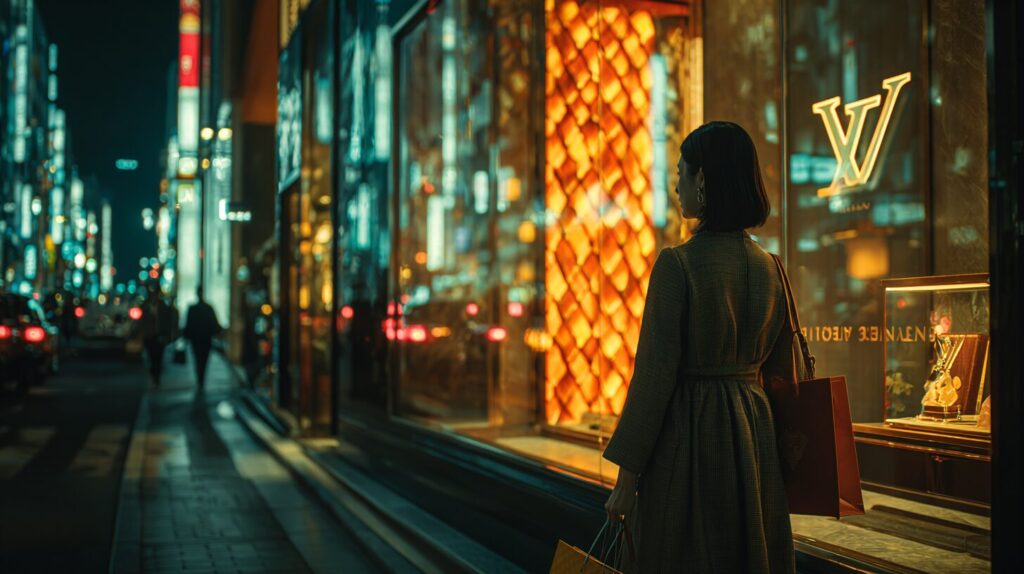
Several luxury brands have Tokyo flagships that outshine their stores elsewhere in the world. Louis Vuitton’s Omotesando flagship (designed by Jun Aoki) is architecturally stunning. The Chanel Ginza building has multiple floors dedicated to fashion, fine jewelry, and watches. Hermes Ginza occupies a Renzo Piano-designed glass tower that is worth seeing regardless of whether you shop.
Omotesando — Tokyo’s tree-lined luxury boulevard — is the ideal walking route to hit multiple flagships. The area also contains Omotesando Hills (a luxury shopping complex by Tadao Ando) and the Ura-Harajuku backstreets where Japanese streetwear labels like Kapital, Needles, and Neighborhood have their flagship stores.
Practical Tips for Luxury Shopping in Tokyo 2026
Bring your passport every day. You cannot process tax-free without it — no exceptions, even if you visited the same store yesterday.
Check brand price differences before you buy. For some European luxury brands, Tokyo prices after tax-free deduction are 15–25% lower than retail prices in the US or Europe due to regional pricing structures and the current yen rate. Do your homework before your trip.
Visit on weekday mornings. The most popular floors at Isetan and Mitsukoshi Ginza can be crowded on weekends. Arrive within the first hour of opening on a Tuesday or Wednesday for the most relaxed experience and the best staff attention.
Use a credit card with no foreign transaction fees. Department stores accept Visa, Mastercard, and Amex widely. Apple Pay and Google Pay work at most registers via the Suica integration.
Ship large purchases home. Major department stores offer international shipping directly from the store. This avoids baggage fees and the stress of packing fragile items. Ask at the tax-free or customer service counter for rates and procedures.
Final Word
Tokyo’s department stores are not just shops — they are institutions that reflect Japanese values of craft, hospitality, and curation at the highest level. The tax-free system makes them genuinely competitive with duty-free airport shopping and, for many categories, with prices in Europe. If luxury shopping is part of your Tokyo trip, allocate at least two full days, bring your passport, and prepare to be impressed.