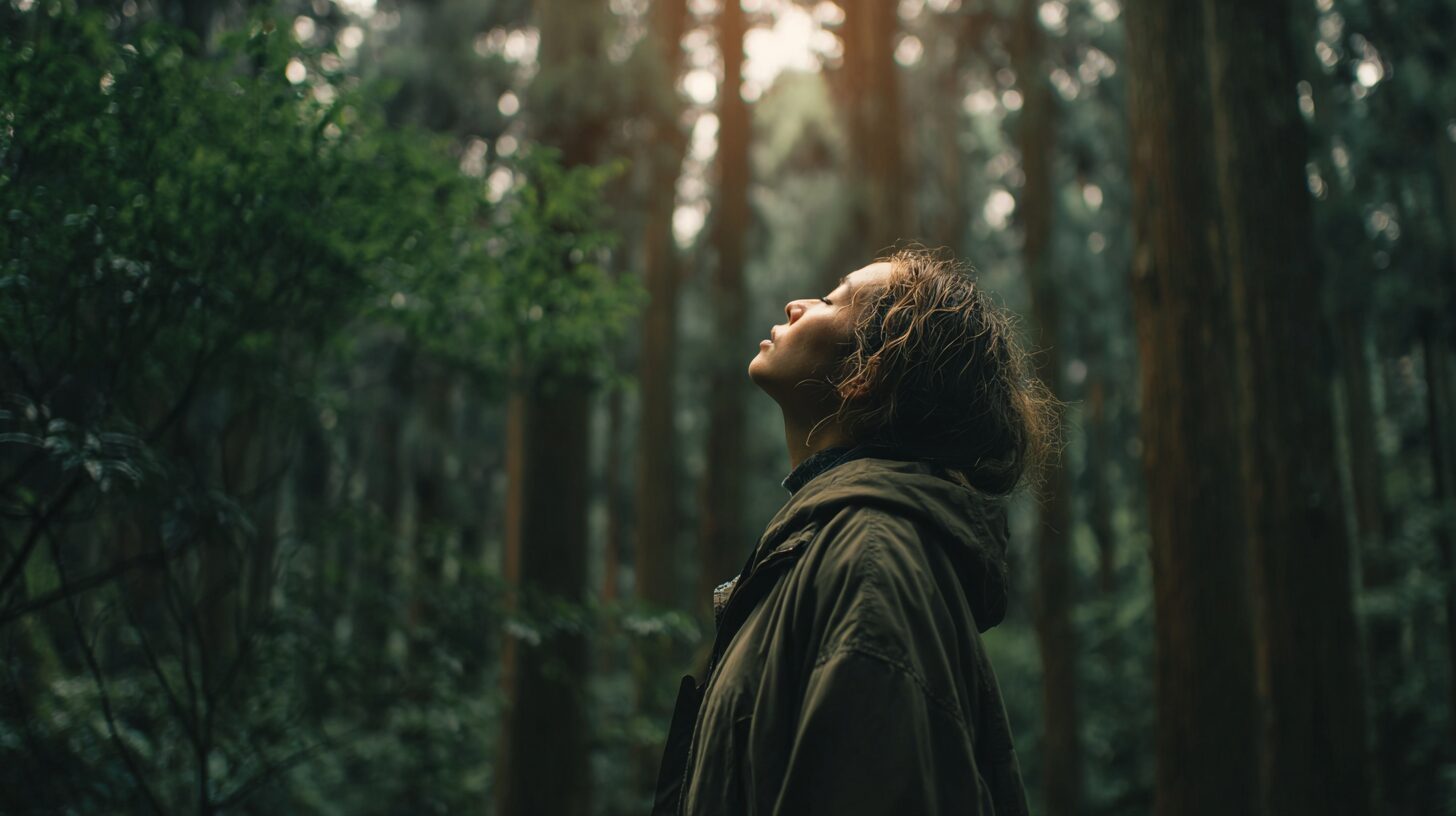
My phone didn’t work in the forest. There was signal — I checked — but somehow the idea of using it felt wrong. I was in Agematsu, a cedar valley in Nagano Prefecture, following a path I’d been told to walk slowly. A researcher from Chiba University had studied this exact forest and documented measurable reductions in cortisol among people who walked it for four hours.
I had been in Japan for nine days. It was only in this forest, on the fourth day of a week designed entirely around rest, that I understood what the phrase “mentally exhausted” actually meant — and what it felt like to stop being it.
Japan has been building a formal wellness infrastructure since 2004, when the Forest Therapy Society of Japan was established and began certifying forests, trails, and guides. What’s emerged in 2026 is a coherent system of evidence-based wellness travel that has no real equivalent anywhere else.
Shinrin-Yoku: What Forest Bathing Actually Is
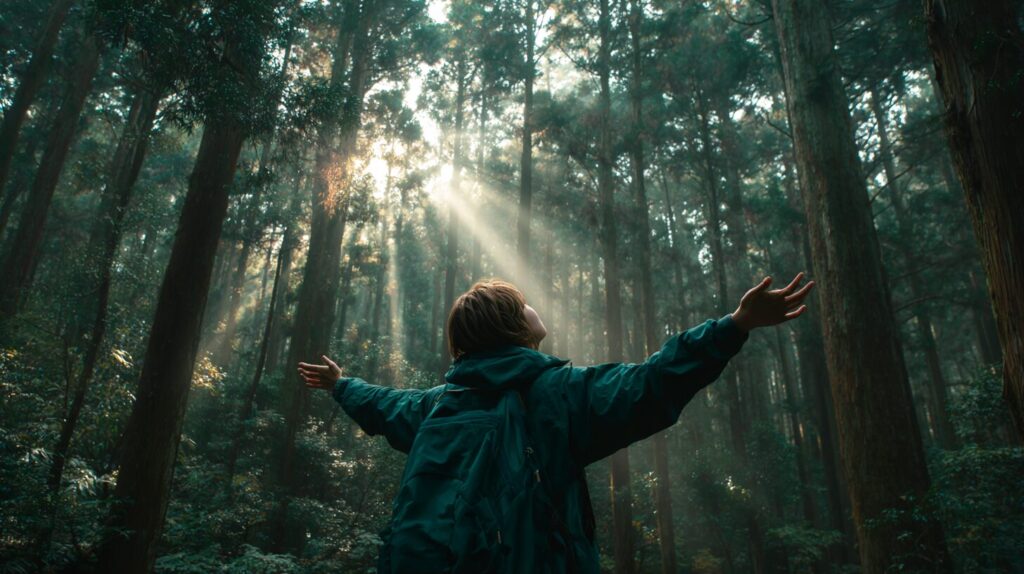
Shinrin-yoku (森林浴) translates literally as “forest bath” — a slow, sensory walk through woodland without purpose or destination. The concept was formally introduced by the Japanese government in 1982 as part of a national health initiative. The science caught up with the intuition: subsequent research by Yoshifumi Miyazaki at Chiba University demonstrated that walking in forest environments reduces cortisol by approximately 16%, lowers blood pressure, reduces pulse rate, and increases activity in the parasympathetic nervous system — the “rest and digest” system that counteracts chronic stress.
The key distinction between shinrin-yoku and hiking: the goal is not distance or destination. A certified Forest Therapy trail (全国森林セラピー基地認定) covers 2–5 kilometers and is meant to take 3–4 hours. The practice involves sitting, listening, breathing, and the deliberate slowing of movement. Guides trained in Forest Therapy facilitation lead groups through attention exercises and sensory pauses. You don’t need a guide to benefit — but for a first experience, the structure helps.
Where to Do Forest Therapy in Japan 2026
Japan currently has 65 certified Forest Therapy bases and 100 certified Forest Therapy roads. The following are the most accessible with strong English support in 2026:
Agematsu, Nagano (上松町): The Akasawa Natural Recreation Forest is often cited as Japan’s most research-validated healing forest. The 6.5-kilometer therapy trail runs through 300-year-old hinoki cypress, and the forest floor dampens sound noticeably — it is genuinely quieter than surrounding areas. Certified guides offer sessions at ¥4,000–¥6,000 for 3–4 hours. Access via Chuo Line to Agematsu Station (2.5 hours from Nagoya).
Yakushima Island, Kagoshima (屋久島): A UNESCO World Heritage site covered in ancient cedar forest, some trees over 2,000 years old. The scale and age of the forest creates an atmosphere unlike any certified therapy forest in mainland Japan. The remoteness is part of the value. Multiple guided forest therapy programs run from Miyanoura, the island’s main town. Access requires a ferry or air connection from Kagoshima City.
Okutama, Tokyo (奥多摩): For visitors based in Tokyo without time to travel far, Okutama is the nearest certified forest — 90 minutes by train from Shinjuku on the Ome Line. The Mitake Valley has guided shinrin-yoku sessions on weekends at ¥3,000, and the forest itself is dense enough to create the sensory enclosure that the practice requires. Best combined with an overnight stay at one of the valley’s traditional inns.

Onsen for Mental Health: More Than Relaxation
Japan has approximately 27,000 registered onsen sources — more than any other country. The variety of mineral composition is medically significant: sodium chloride springs (塩化物泉) improve circulation and warm the body after cooling; sodium bicarbonate springs (重曹泉) soften skin and have a calming effect on the nervous system; sulfur springs (硫黄泉) are prescribed in traditional Japanese medicine (とうじ, toji) for respiratory and skin conditions.
The practice of toji — therapeutic extended onsen immersion, typically over 3–7 days — is distinct from a single soak. Some ryokan specialize in toji programs: structured bathing schedules, dietary guidance, rest protocols, and in some cases physician consultation. Nyuto Onsen Village in Akita (乳頭温泉郷) is the most internationally recognized toji destination, with multiple rustic ryokan offering programs from ¥15,000–¥40,000 per night including meals and bath access.
For day visits without overnight commitment, several urban onsen facilities have expanded their wellness programming in 2026. Thermae-Yu in Shinjuku (サーマエ湯) and Spa LaQua in Bunkyo (スパ ラクーア) both offer REST programs — guided relaxation sequences combining specific bath types in a prescribed order. Entry ¥3,000–¥5,000 including facilities.
Mental Health Ryokan: Japan’s Newest Wellness Category
A small number of ryokan have repositioned specifically for guests experiencing mental fatigue, anxiety, or burnout. These are distinct from standard wellness ryokan in their programming: they offer optional sessions with licensed therapists or counselors, structured digital detox protocols (devices stored at check-in), sleep therapy programs, and dining designed around the nutritional science of stress recovery rather than indulgence.
Shizuka Ryokan in Hakone (静閑旅館, Hakone) offers a 3-night Mental Recovery Program at ¥180,000 per person, including two counseling sessions, daily Forest Therapy walks in the Hakone Geopark forests, a personalized onsen schedule, and meal service designed by a registered dietitian specializing in stress-related nutritional depletion. Bookings require 6 weeks advance notice.
For a more accessible entry point: Sansuiro in Ureshino, Saga Prefecture (三翠楼, 嬉野温泉) runs a 2-night Digital Detox package at ¥65,000 per person including all meals. Ureshino’s sodium bicarbonate springs are among Japan’s softest onsen water; after two nights of soaking, guests consistently report the quality of sleep improvement as the most notable effect. Access from Nagasaki Airport, approximately 45 minutes by express bus.

How to Build a Japan Wellness Trip in 2026
The most effective wellness Japan itinerary combines three elements: a Forest Therapy experience (day or overnight), an onsen ryokan stay (minimum 2 nights for full benefit), and sufficient unscheduled time. The last point is critical — wellness tourism that packs in activities every day is just tourism with good lighting. Build at least one full day per trip where the only plan is the onsen schedule.
Recommended 5-day structure: Day 1 — arrive and rest; Day 2 — guided Forest Therapy walk (Okutama if starting from Tokyo); Days 3–5 — Nyuto Onsen Village or Hakone ryokan. Budget ¥80,000–¥150,000 per person at mid-range ryokan, excluding transport. Higher-end programs (Shizuka Hakone) run significantly more.
Japan has not fully translated its wellness tourism infrastructure into English — much of the best programming is available only through Japanese-language booking. Contacting the Japan National Tourism Organization (JNTO) at their overseas offices in advance can help connect travelers with English-speaking wellness coordinators and certified guides. This step alone often unlocks experiences that don’t appear in standard searches.