The question gets asked at every electronics counter, every department store cosmetics floor, and every pharmacy across Japan: can I buy this tax-free? The short answer is almost always yes, provided you have your passport, the purchase meets the threshold, and you’re taking the goods out of Japan within 30 days. The slightly longer answer — which matters more in 2026 than it did last year — involves important updates to how the exemption is enforced at departure.

Japan’s consumption tax (消費税, shohizei) stands at 10 percent for most goods and 8 percent for food and non-alcoholic drinks. For tourists, this tax is fully exempted at the point of sale under a system that has been progressively expanded since 1957. In practical terms, a ¥10,000 cosmetics purchase saves ¥1,000. On a ¥100,000 camera body, the saving is ¥10,000. On a ¥300,000 luxury bag purchase, it’s ¥30,000. The system is worth using consistently throughout any trip of meaningful length.

What Changed in 2026: The New Enforcement System

Japan has been transitioning toward a more digitally tracked tax-exemption system, and the 2026 update continues this shift with a significant change: passport information captured at participating stores is now transmitted digitally to Japan Customs in real time. At departure, customs officers can cross-reference your purchases against your passport record. If goods were consumed or opened in Japan rather than exported, a repayment obligation is triggered.
For practical purposes, the shopping experience at the counter remains essentially the same — show your passport, receive the exemption, receive your goods. The change is in the departure process: spot-checks at Narita, Haneda, Kansai, and Fukuoka airports have increased for travelers with significant tax-free purchase records. Keep all purchase receipts in your carry-on bag, accessible if asked to present them. High-value electronics and luxury goods are most likely to be checked.
The core rule has not changed: goods must leave Japan within 30 days of purchase and must not be consumed or fully used within Japan. Breaking the seal on consumables (food, cosmetics purchased as consumables) before departure invalidates the exemption for those items.
What Qualifies for Tax-Free Shopping


To qualify, you must be a non-resident of Japan — a tourist visa or temporary visitor stamp is sufficient. Holders of Japanese residence cards (在留カード) do not qualify regardless of nationality or passport.
The minimum purchase threshold is ¥5,000 (tax excluded) at a single store on a single day. Many large retailers allow you to combine purchases from different departments — electronics on one floor, cosmetics on another — into a single tax-free transaction at a central counter. The ¥5,000 threshold applies to the combined total at that store, not individual items.
General goods (一般物品) — electronics, clothing, bags, shoes, jewelry, cosmetics classified as general merchandise — must be exported within 30 days. Consumables (消耗品) — food, alcohol, cigarettes, pharmaceuticals, cosmetics when purchased as consumables at pharmacies — have the same 30-day requirement with a combined daily purchase limit of ¥500,000. Since 2020, these categories can be combined at most participating retailers rather than requiring separate transactions.
How the Process Works: Step by Step
At department stores and large electronics retailers, bring your passport to the designated tax-free counter — usually marked with a blue-and-white Tax-Free Shop sign (免税店). Staff will scan your passport, print a purchase record, process the exemption, and attach a document to your sealed goods. The process takes 5 to 15 minutes depending on queue length and the number of items.
At smaller stores with tax-free capability, the counter staff handle the process directly at the register. Indicate you want tax-free before payment is processed — reversing a completed transaction is complicated and some stores decline to do it. Bring your passport every time you intend to shop; credit card or digital payment alone does not initiate tax-free processing.
At pharmacies (ドラッグストア), the process is identical. Show your passport, confirm non-resident status, and the system calculates the exemption on qualifying products. Most products qualify; some very specific OTC medications may have import restrictions in your home country that are separate from the Japanese tax system — those are worth checking independently before purchasing in bulk.

Where to Shop Tax-Free in Tokyo


Akihabara (秋葉原) is the primary destination for electronics and anime merchandise. Yodobashi Camera Akiba (ヨドバシカメラ マルチメディアAkiba), the massive multi-floor store adjacent to the station, has dedicated tax-free counters on each floor and handles high-value purchases with English-speaking staff. Bic Camera branches across Tokyo — Shinjuku, Ikebukuro, Yurakucho — are equally efficient. Both stores have point card systems that accumulate rebate points on purchases; the combination of tax exemption plus point accumulation can reach 12 to 15 percent effective discount on electronics.

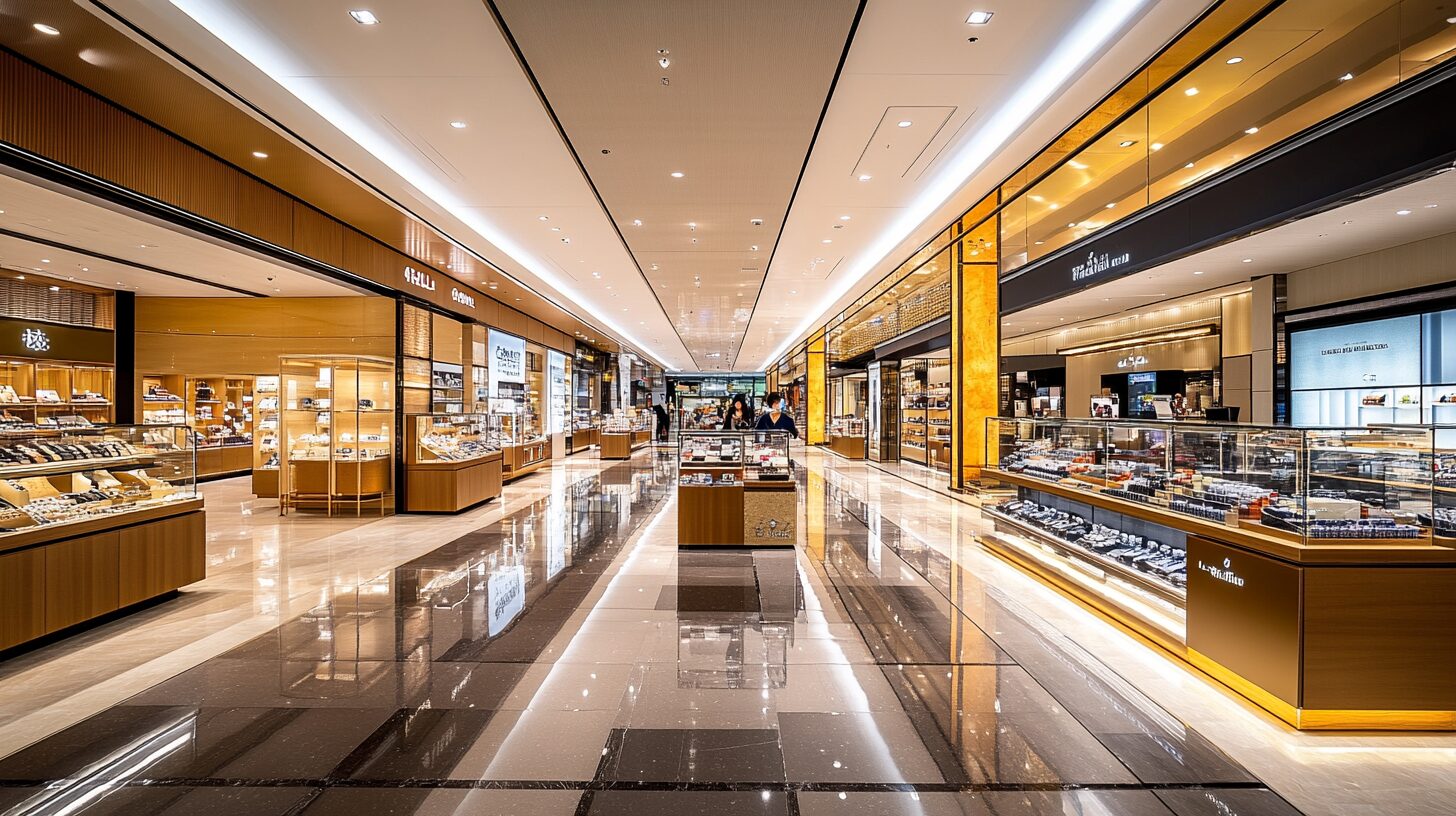
Ginza (銀座) concentrates luxury retail and cosmetics. The Isetan and Mitsukoshi department stores on Chuo Dori have extensive tax-free services with multilingual staff. Ginza Six has a dedicated international visitor service desk near the main entrance. For Japanese beauty brands specifically — SK-II, Shiseido, Kosé, Canmake, Cezanne — the concentration in a small area makes a single Ginza afternoon efficient for a complete beauty haul.
Don Quijote (ドン・キホーテ, Donki) deserves special mention as a tax-free anomaly — it’s a discount variety store with branches in tourist areas across Tokyo, Osaka, and Kyoto, and it excels at consumables: food souvenirs, snacks, cosmetics, alcohol, and household goods at prices consistently below airport retail. Tax-free processing at Donki is fast and clearly signposted throughout the store.
Osaka and Kyoto Tax-Free Shopping
Osaka’s Shinsaibashi (心斎橋) and Namba (難波) areas concentrate department stores, pharmacies, and cosmetics retailers within walking distance. The Shinsaibashi-suji shopping arcade (心斎橋筋商店街) running south from Shinsaibashi Station to Namba covers most categories in one covered corridor. Matsumoto Kiyoshi, Sundrug, and Ain Pharmacy branches along this route are among the busiest tax-free cosmetics stops in western Japan, and their staff handle tourist transactions at high speed during peak season.
In Kyoto, the most comprehensive tax-free shopping is at Isetan department store inside Kyoto Station and at Takashimaya on Shijo Dori (四条通). Nishiki Market (錦市場), Kyoto’s food market, is primarily small independent vendors and generally does not offer tax-free processing — it’s best visited for sampling rather than bulk purchasing. Teramachi shopping arcade (寺町商店街) has several cosmetics and electronics shops that do participate in tax-free.
Airport Shopping and the Departure Experience

Narita and Haneda airports both have extensive duty-free retail in departure areas, available after immigration clearance. Prices on cosmetics, spirits, and tobacco are generally competitive with central Tokyo retailers, and airside shopping has the logistical advantage of not requiring you to carry goods through your trip. The selection is narrower than central city stores, however, and popular items sell out on busy departure days — do not rely on the airport as a primary shopping destination.
Under the 2026 digital tracking system, if customs requests to inspect your tax-free purchases, the check takes two to three minutes and focuses primarily on confirming that goods are present and correspond to purchase records. Keep receipts together in an accessible envelope in your daypack. The inspection process is not adversarial — it targets systematic exemption fraud, not inadvertent minor consumption of purchased goods.

High-Value Items Worth Buying Tax-Free
Electronics are the most straightforward category: cameras, lenses, smartphones, laptops, audio equipment, and household appliances all qualify as general goods. Japan prices on Sony, Nikon, Panasonic, and Canon products are often 10 to 20 percent below European or North American retail before tax exemption, making the combined saving substantial on professional equipment.
Cosmetics and pharmaceuticals represent the highest value-per-weight category. Branded Japanese skincare — vitamin C serums, retinol preparations, specific sunscreen formulations not available abroad — and professional-grade beauty devices (LED masks, facial massagers, ionic hair tools) are consistently cheaper in Japan than in export markets. Compile your shopping list in advance with reference prices from your home country; the saving is not always as dramatic as travelers expect once exchange rates and home import duties are factored in, but on specific Japanese-market products the difference is often significant.
Luxury goods — watches, bags, clothing from Japanese designers — carry full 10% exemption on qualifying purchases. The combination of Japan’s competitive retail pricing on certain luxury categories and the tax exemption makes Tokyo a worthwhile comparison destination for high-value purchases, particularly for brands that maintain consistent global pricing but vary in availability.
Practical Tips to Maximize Savings
Consolidate purchases at a single store when possible. Many department stores allow you to combine purchases from different floors into one tax-free transaction at the central counter. Splitting the same total across two stores requires two passport scans and doubles the counter time for the same effective saving.
Bring photocopies or a phone photo of your passport’s information page if you plan to shop at multiple stores on a single day — some stores accept a clear photo ID on your phone in lieu of the physical document, though policy varies. The physical passport is always the most reliable option.
The IC card (Suica or Pasmo) works at all transit across Tokyo, Osaka, and Kyoto. For heavy shopping days, a 1-day transit pass for each city is typically more cost-effective than per-ride IC charges. Load ¥5,000 on your IC card at JR station machines at the start of each city stay.